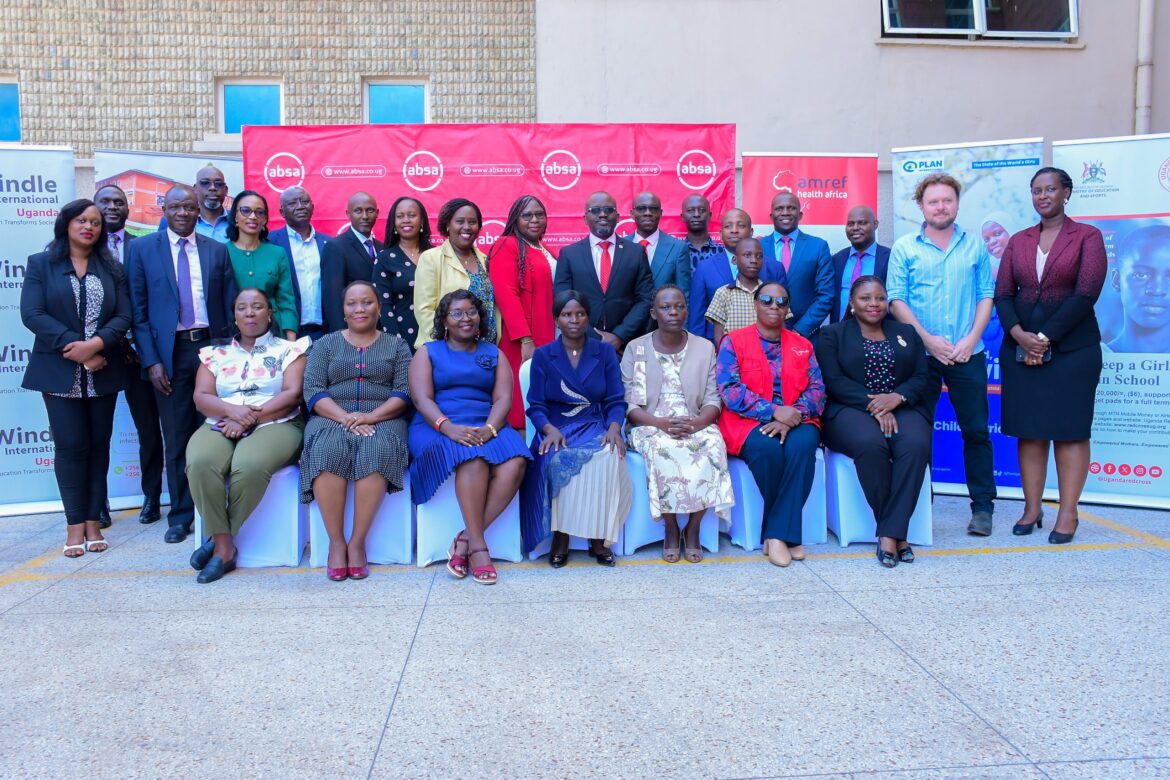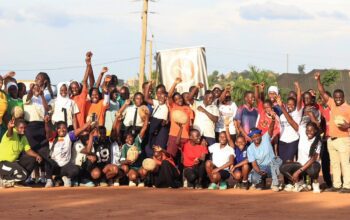

| Programmes supporting vulnerable girls to access, remain in, and progress through education will expand across Uganda following the allocation of UGX 700 million raised through the 2026 Absa KH3 7 Hills Run.
The funds will support eight organisations already working with girls and communities across the country to address barriers that continue to limit educational opportunities for the most vulnerable.
Uganda has made significant progress in expanding access to education, including for girls.However, gaps remain for children in poorer and more vulnerable communities. A 2024 study by the Ministry of Education and Sports, European Union, and UNICEF highlights persistent inequalities in progression to secondary education, with secondary-school enrolment at 43.1% among children from the wealthiest households compared with 8.2% among the poorest.
The study identifies financial constraints as a major factor affecting school attendance and retention. For girls, these challenges are often compounded by teenage pregnancy, long distances to school, gender-based violence, disability, and inadequate water, sanitation, and hygiene facilities.
To address these barriers, proceeds from the 2026 Run will support a wide range of interventions, including school fees and scholastic materials, bicycles for girls travelling long distances, school re-entry support for teenage mothers, clean water and sanitation facilities, disability-inclusive education, counselling and mentorship, vocational and life skills training, and strengthened school support systems.
Rather than establish parallel interventions, Absa will continue to support organisations with programmes already operating in communities and specialist expertise in addressing these different barriers, enabling them to extend their reach to more girls.
Speaking at the proceeds handover, David Wandera, Managing Director of Absa Bank Uganda, said “A girl’s circumstances can still have a significant bearing on whether she is able to remain in school and complete her education. For a girl in a vulnerable household, the barrier may be the cost of basic scholastic materials; elsewhere it may be distance to school, teenage motherhood, disability or inadequate water and sanitation. These organisations are already working in communities where those challenges exist and understand what support is needed. Our responsibility now is to follow that support through and measure what it enables; more girls returning to school, remaining there and progressing with their education.”
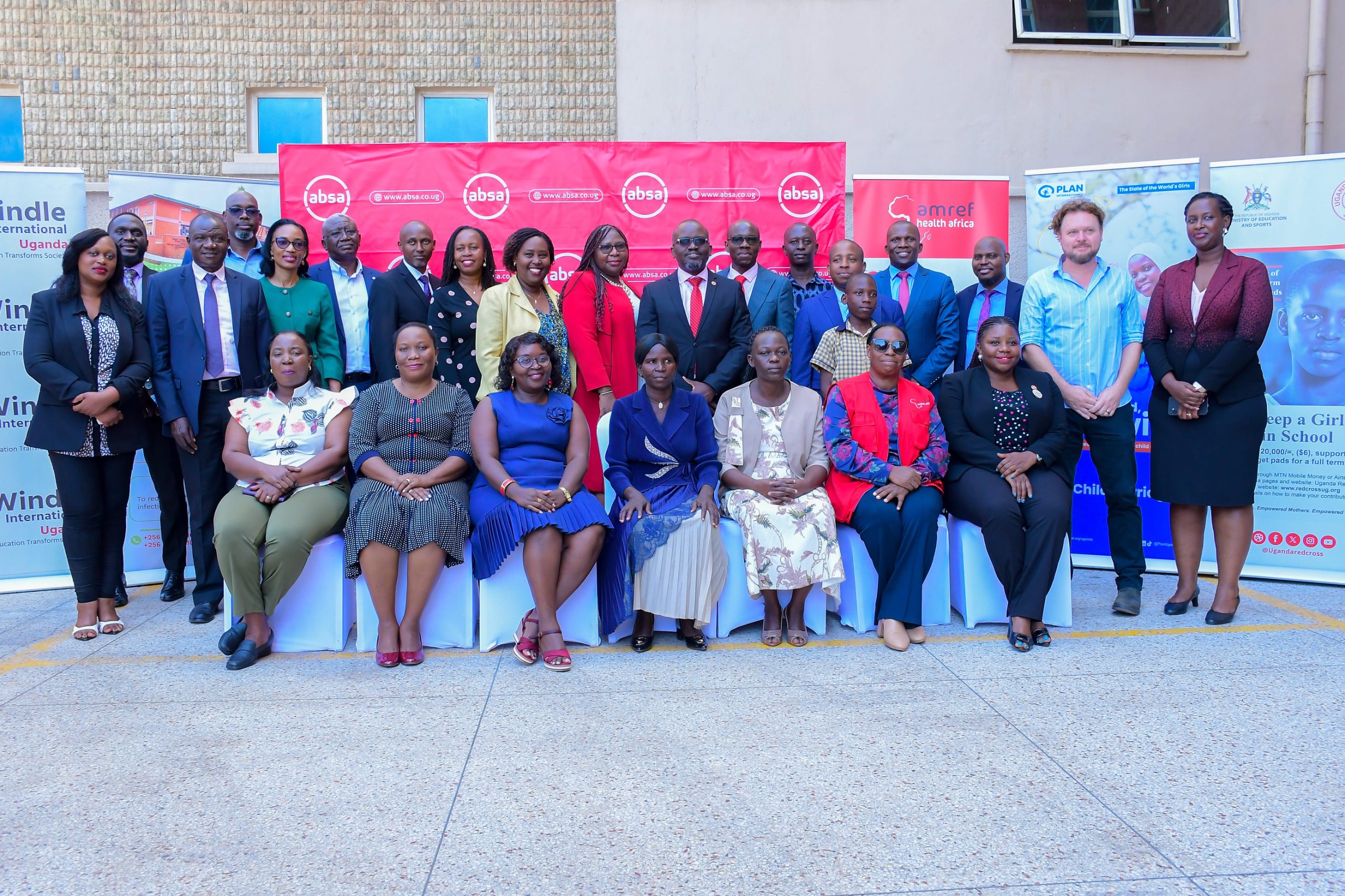
2026 Proceeds and Beneficiaries The UGX 700 million raised in the 2026 edition will support transformative initiatives through the following partner organizations:
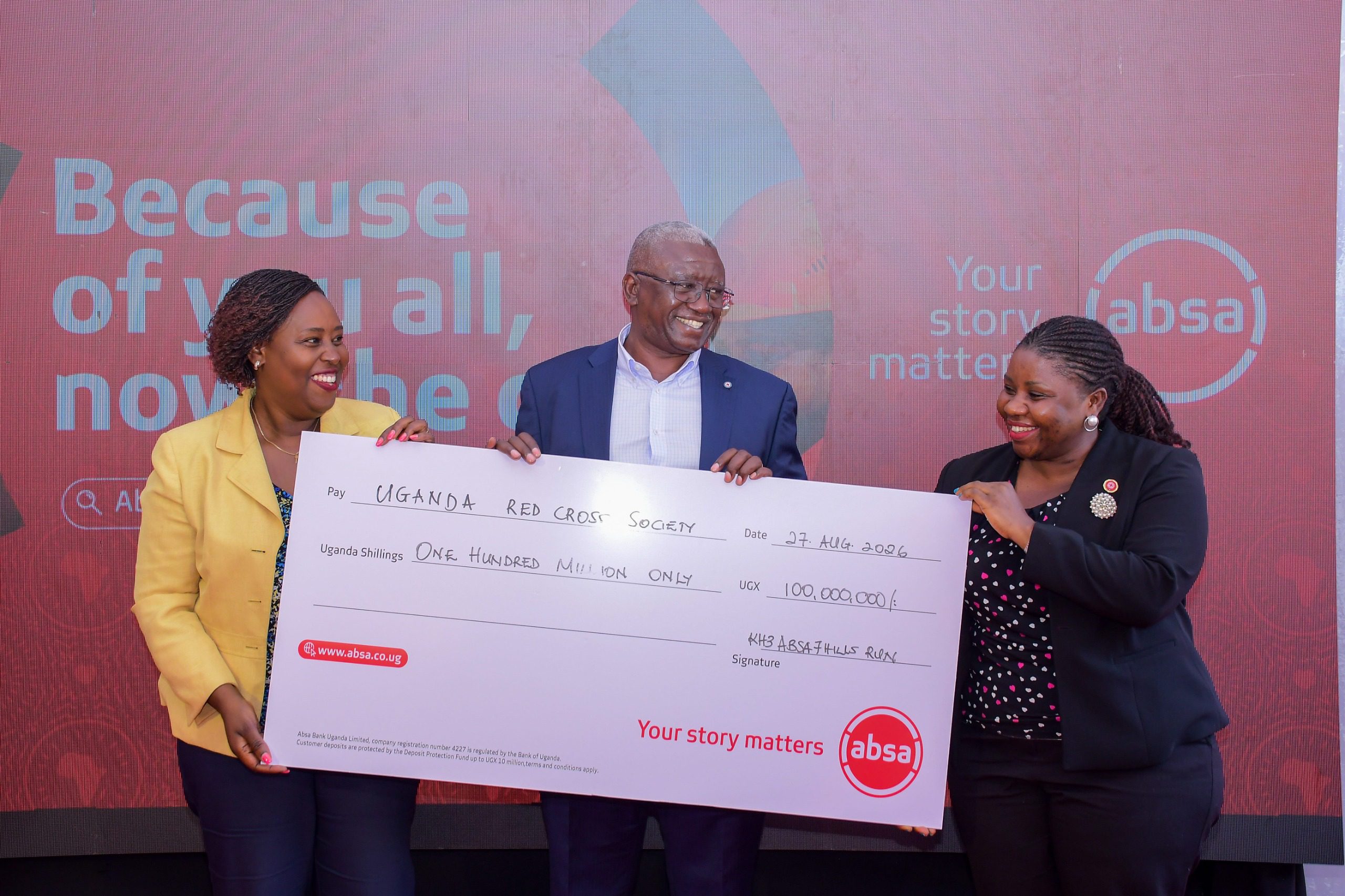
UGX 100 million to the Uganda Red Cross Society will expand the Keep a Girl in School programme, providing menstrual health kits to 10,000 vulnerable girls, delivering menstrual health education to 15,000 adolescents, teachers and caregivers across 100 schools, and supporting 1,000 teenage mothers to return to school.
UGX 90 million to Windle International Uganda will support girls in refugee-hosting and hard-to-reach communities through the provision of scholastic materials, bicycles, dignity kits, counselling, and school reintegration support, including for girls formerly living on the streets of Kampala who have been re-enrolled in schools in Napak District.
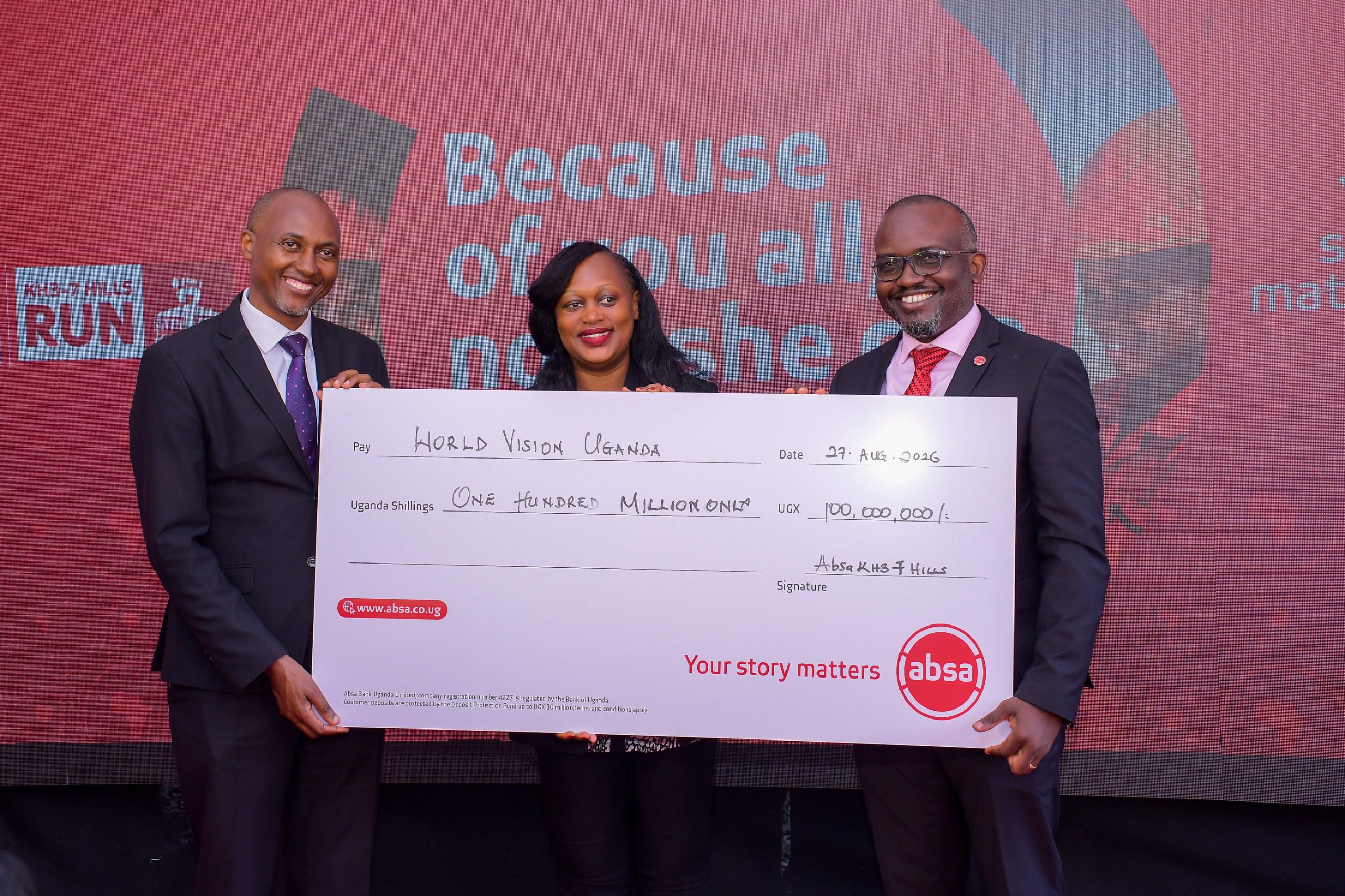
UGX 100 million to World Vision Uganda will improve menstrual health and hygiene management in Northern Uganda by increasing access to clean water, sanitation facilities, and safe learning environments for girls.
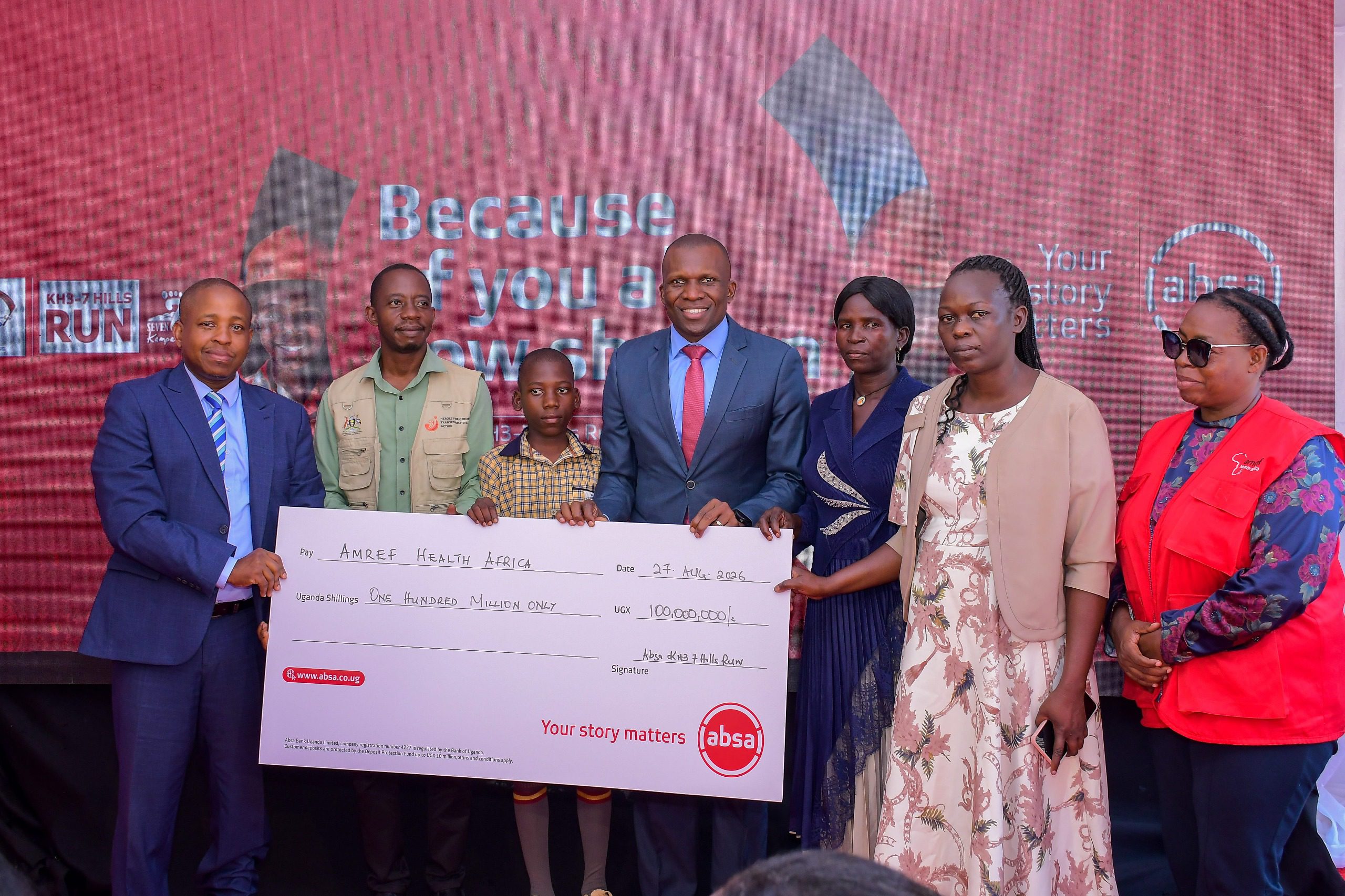
UGX 100 million to Amref Health Africa will support the distribution of reusable sanitary pads and provide school reintegration support for teenage mothers who have dropped out of school in Mbale, Kibuku, and the island communities of Namayingo.
UGX 100 million to Plan International Uganda will expand access to menstrual health kits, provide vocational skills training in sanitary pad production, sewing, and entrepreneurship, and supply vulnerable girls with scholastic materials to support their education.
UGX 60 million to RIDE-AFRICA will strengthen school and community support systems in Kitgum District through investments in water, sanitation and hygiene (WASH) facilities, changing rooms, menstrual health initiatives, teacher capacity building, school clubs, and life skills development.
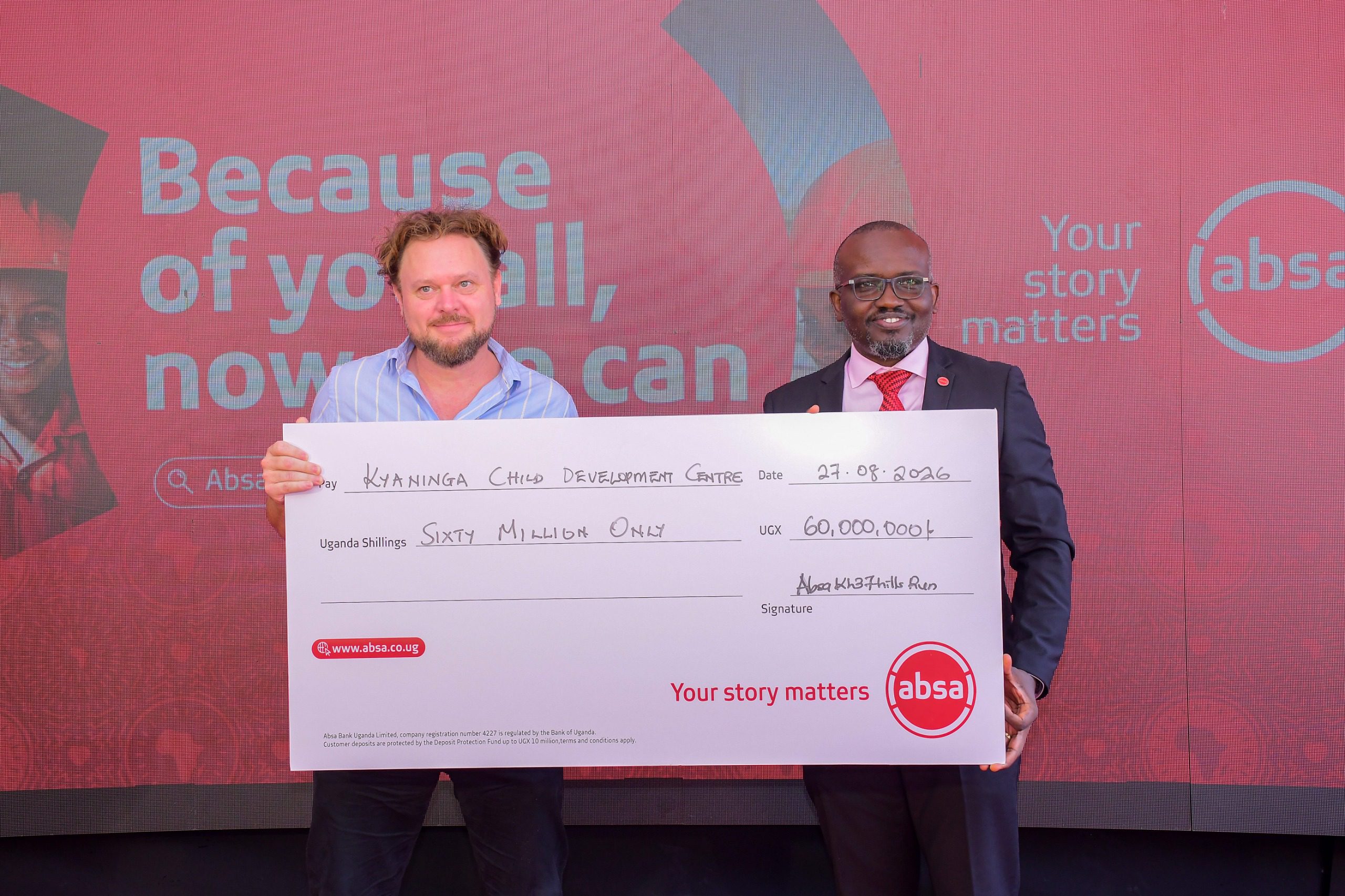
UGX 60 million to Kyaninga Child Development Centre will support 100 girls with disabilities and strengthen the capacity of 18 schools to provide more inclusive and accessible learning environments.
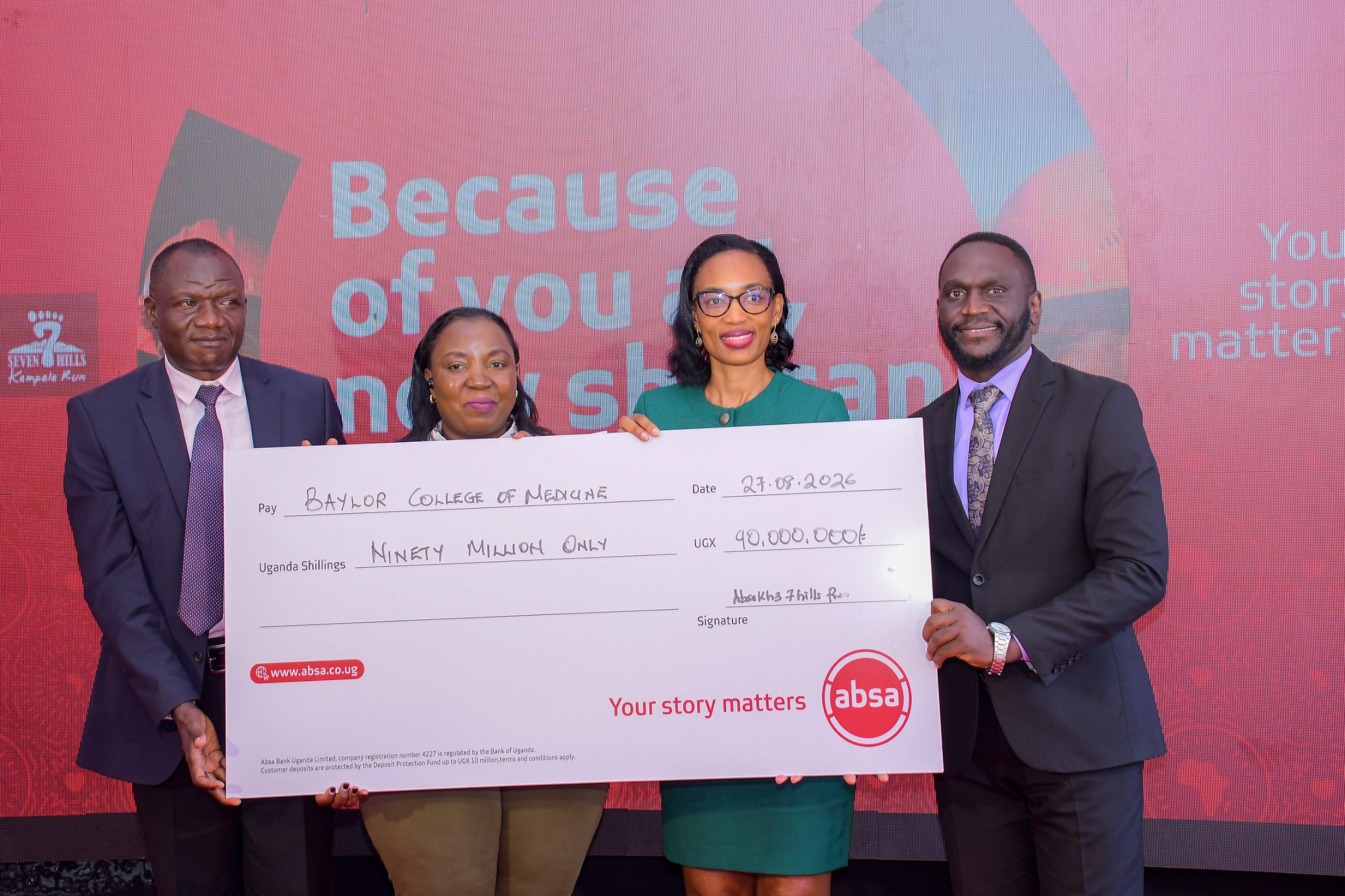
UGX 90 million to Baylor College of Medicine Children’s Foundation-Uganda will support 1,000 vulnerable girls across Hoima, Mubende, and Fort Portal through education assistance, counselling, mentorship, vocational training, and early identification mechanisms for girls at risk of dropping out of school.
Together, these interventions will address critical barriers at different stages of a girl’s education journey, from enrolment and retention to school re-entry and progression.
More than 8,000 participants took part in the fourth edition of the Absa KH3 7 Hills Run in May 2026, continuing the growth of an initiative launched in 2023 to mobilise support for girls’ education across Uganda.
Since its inception, the Absa KH3 7 Hills Run has raised a cumulative UGX 1.6 billion and supported 52,713 girls to stay in school through investments in menstrual health, education access, school retention, and related interventions.
|
UGX 700 Million from 2026 Absa KH3 7 Hills run to help more girls stay in school