


The combined brand value of the world’s 50 most valuable football club brands has reached EUR23.9 billion, the strongest annual growth in the 15-year history of the Football 50, according to a new report from Brand Finance, the world’s leading brand valuation consultancy.
The world’s leading football clubs are not only becoming more valuable – they are pulling away from the rest of the field.
The 10 most valuable football club brands now account for EUR14.9 billion, more than 60% of the Football 50’s total brand value. Since 2012, their combined brand value has grown by 250%, compared with 220% for the top 50 overall.
Yet beneath that concentration, European football hierarchy is beginning to shift. The emergence of Arsenal among the world’s three most valuable football brands, alongside the rapid growth of Aston Villa FC and VfB Stuttgart, shows that sustained sporting success can translate into significant commercial momentum – potentially allowing ambitious clubs to challenge an established order historically dominated by a small group of European superclubs.
Real Madrid completes brand hat-trick to retain global crown
Real Madrid CF retains its position as the world’s most valuable football club brand for the third consecutive year, with brand value rising 25% to EUR2.4 billion.

It also remains the world’s strongest football club brand, with a Brand Strength Index (BSI) score of 95.8 out of 100, the highest of all 281 clubs analysed by Brand Finance.
The club’s strength reflects its strong global reputation, passionate fanbase, star players, heritage and prestige, and association with elite-level football, as highlighted by Brand Finance’s sports fan research.
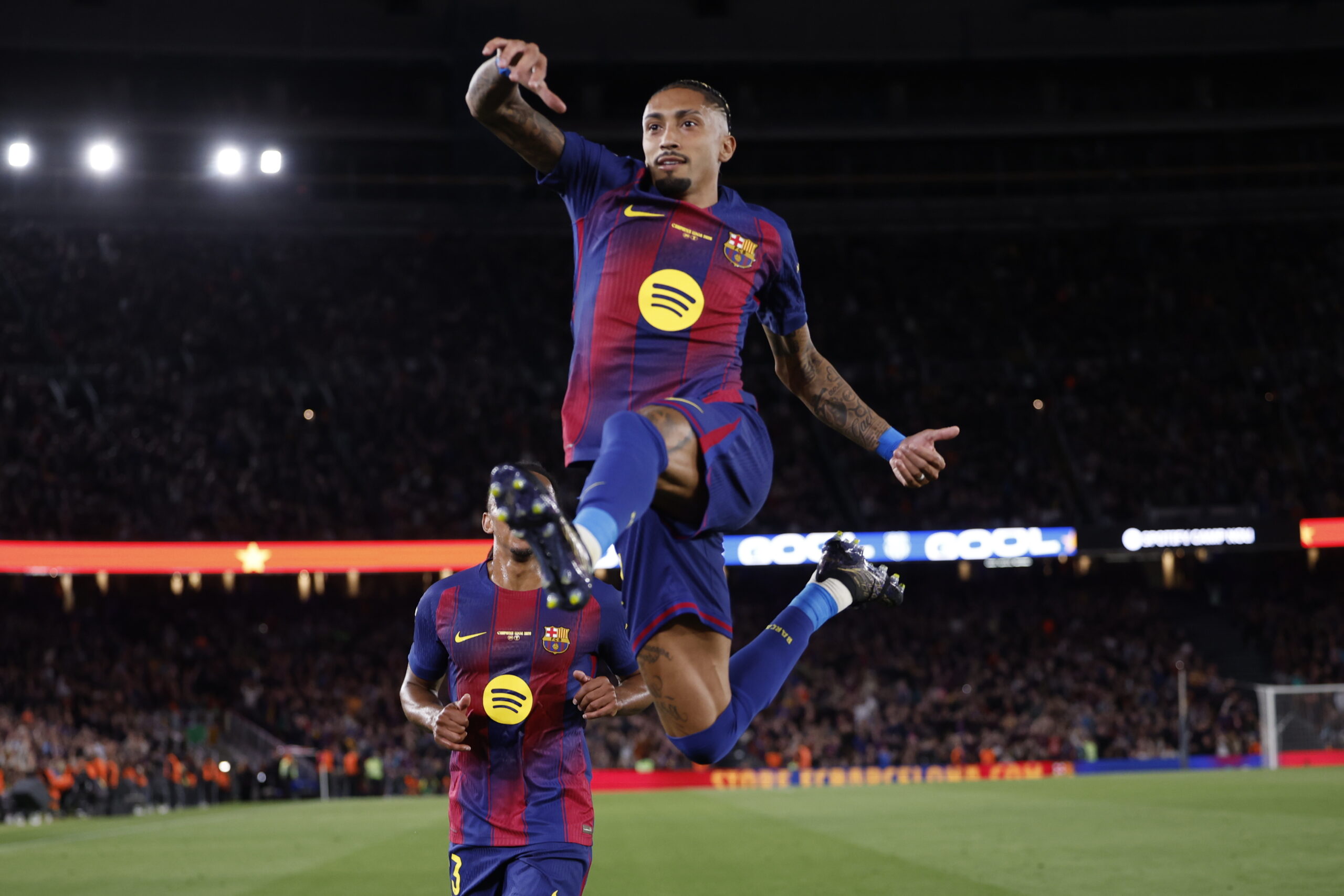
FC Barcelona retains second place, with brand value increasing 15% to EUR2 billion. Its growth has been supported by a return to Spotify Camp Nou after more than two years away, alongside back-to-back LALIGA titles under Hansi Flick.
The continued dominance of Real Madrid and Barcelona highlights the extraordinary durability of football’s two most globally recognised club brands.
Arsenal breaks into global top three
Arsenal FC is one of the standout performers of the 2026 ranking, climbing five places to third – its highest-ever position in the Football 50.
The club’s brand value rose 28% to EUR1.5 billion, following its first Premier League title in 22 years and a Champions League final appearance. Arsenal has also overtaken Manchester United to become the UK’s strongest football club brand, with a BSI score of 94.0/100, ranking fourth globally.
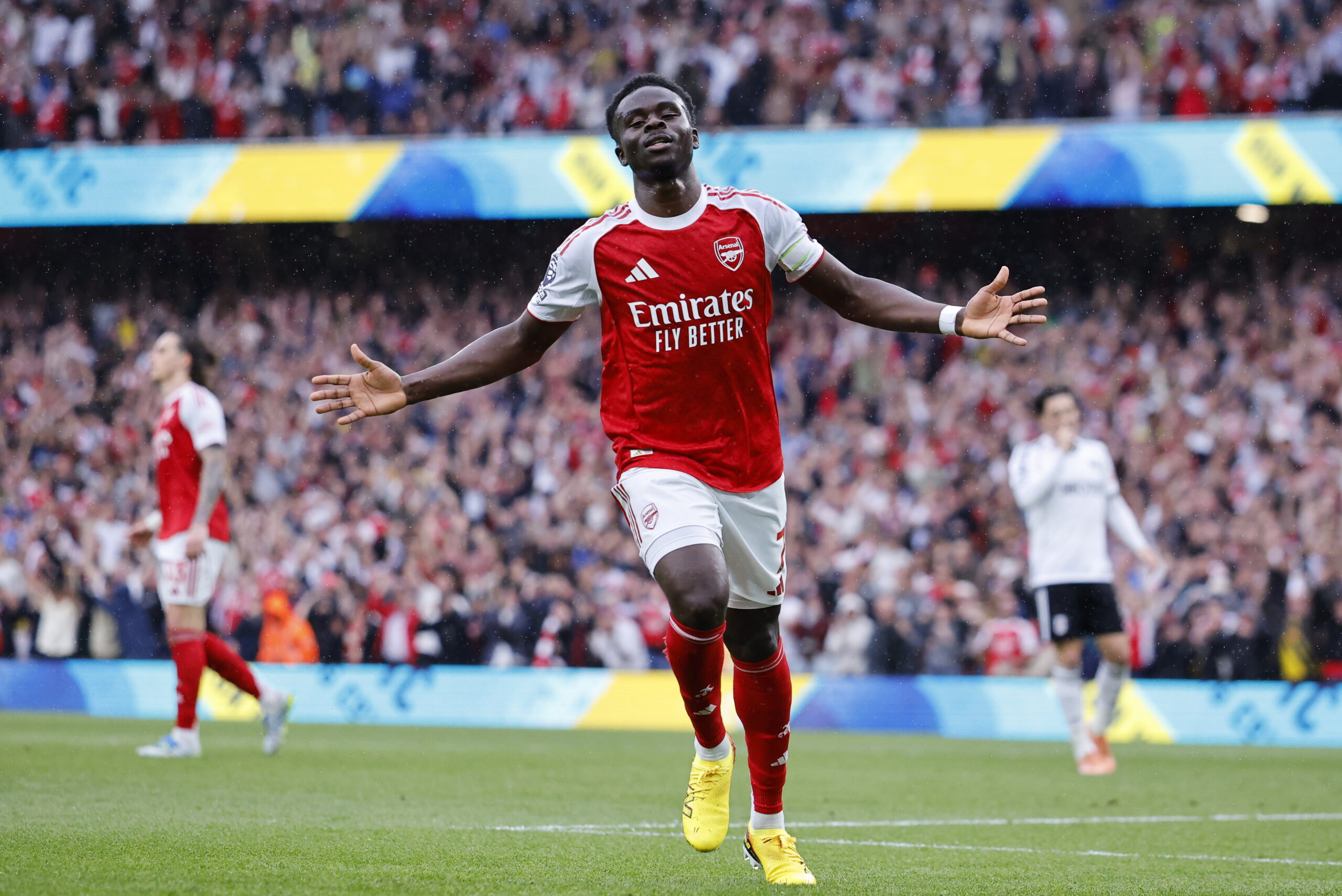
With the Premier League continuing to dominate as the world’s strongest domestic football league brand, Arsenal’s rise demonstrates the commercial advantage available to clubs competing within the world’s deepest portfolio of globally recognized football brands.
Competition intensifies across global top 10
Elsewhere in the top 10, the competitive order continues to shift. FC Bayern Munich (+21% to EUR1.5 billion) climbed to fourth, while Paris Saint-Germain FC (+10% to EUR1.5 billion) retained fifth place.
Manchester City FC (+3% to EUR1.5 billion), Liverpool FC (+5% to EUR1.5 billion) and Manchester United FC (+15% to EUR1.4 billion) all recorded strong brand value growth, despite each slipping one place to sixth, seventh and eighth respectively as faster-growing clubs moved ahead. Chelsea FC (-1% to EUR955 million) held firm in ninth, while Borussia Dortmund (+8% to EUR664 million) returned to the global top 10 for the first time in a decade.
The next commercial battle: from established giants to emerging challengers
The 2026 results point to a football landscape in which the biggest clubs continue to accumulate enormous brand value, while a second group of ambitious European clubs is beginning to convert sporting breakthroughs into lasting commercial momentum.
Aston Villa FC is this year’s Brand to Watch. Its brand value increased by more than 60% to EUR483.5 million, the second-fastest growth among clubs in the ranking. The rise follows three consecutive European qualifications, including the club’s first Champions League appearance in more than four decades and a UEFA Europa League title in 2025/26.
VfB Stuttgart provides another striking example. The German club recorded the largest increase in brand value among the Football 50, almost doubling its value year-on-year by 99% to EUR183.5 million.
Record revenues, multiple Champions League qualifications and a first major trophy since 2007 have helped transform its commercial profile.
Together, the results suggest that while football’s financial and brand power remains heavily concentrated, the pathway to greater brand value is not closed to clubs outside the traditional elite.
Scott Moore, Head of Sports Services, Brand Finance commented:
“This year’s Football 50 shows just how far the gap has widened between football’s elite and the rest of the pack. A €23.9 billion combined brand value, with the strongest growth we’ve seen in fifteen years of tracking this ranking, tells you that success on the pitch is translating directly into commercial power off it. Real Madrid’s third straight year at the top reflects sustained excellence, but the real story is depth – clubs like Arsenal and Aston Villa show that sporting breakthroughs, when paired with smart brand-building, can move the needle fast.
The European football hierarchy is not standing still. The biggest brands continue to pull further ahead, but ambitious clubs are proving that sustained sporting success can accelerate their journey towards global relevance. Football’s biggest clubs aren’t just competing with each other; they’re competing for attention, loyalty and commercial growth on a truly global scale and, as this year’s numbers show, outpacing entire leagues in other sports.”