
By Don Edwarles MKM
How Austrian Missionary Dr Maria Luise Prean Built a Christian Development Mission Supporting Vulnerable Children Through Education, Healthcare, Vocational Training and Community Empowerment
MUKONO, UGANDA — For decades, the story of Vision for Africa International has been closely associated with a mission to transform the lives of vulnerable children and disadvantaged communities through education, Christian values, healthcare, vocational training and community development.
Founded through the vision and missionary work of Austrian Christian missionary Dr Maria Luise Prean, the organisation developed into a broad charitable initiative in Uganda, establishing educational institutions, healthcare services, vocational training opportunities and programmes supporting children and communities in need.
At the heart of its work is a simple but powerful principle: children should not be denied the opportunity to develop their potential because of poverty, family circumstances or limited access to essential services.
Through its programmes, Vision for Africa International has sought to translate this principle into practical opportunities for children and young people, particularly those from disadvantaged backgrounds.
The organisation’s experience offers an important perspective on the contribution faith-based organizations can make to education, human development and social transformation in Uganda.
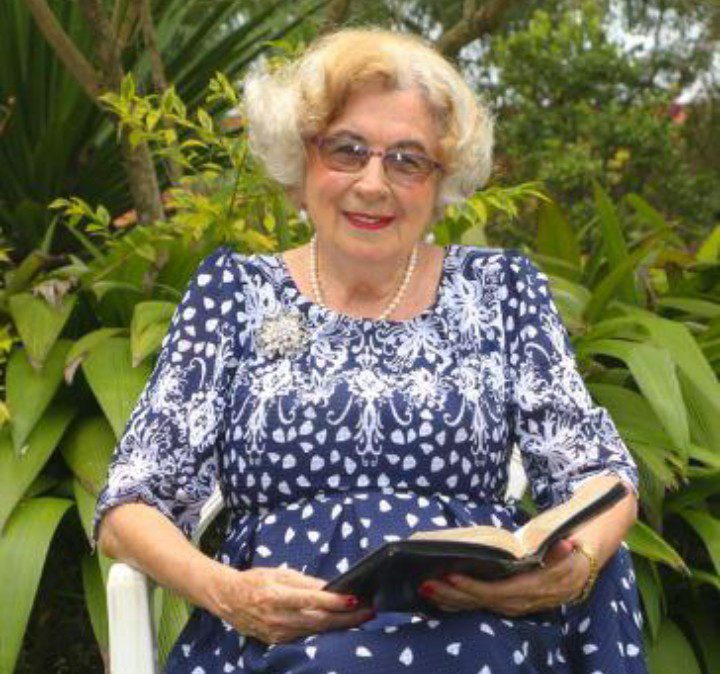
THE STORY BEHIND VISION FOR AFRICA INTERNATIONAL
Vision for Africa International emerged from Dr Maria Luise Prean’s Christian missionary commitment and her desire to support vulnerable children in Uganda.
Born in Austria on 21 February 1939, Prean developed an international ministry that eventually became closely associated with children’s welfare and educational support in Uganda.
The organization’s historical accounts trace its establishment to the early 2000s, when its mission began developing into a structured programme supporting children, schools and communities.
Over the years, the initiative expanded beyond individual sponsorship to include educational institutions, residential care, vocational training, healthcare and other community-oriented programmes.
Its development reflects a broader understanding of vulnerability: children need more than school fees to thrive. They also need protection, adequate nutrition, healthcare, stable relationships, practical skills and opportunities to participate meaningfully in society.
Vision for Africa International therefore pursued an approach that sought to connect educational support with other services necessary for children’s development.
According to information published by the organization, its sponsorship and educational programmes have helped more than 18,000 children access educational opportunities over time. This is a cumulative figure reported by the organization and should not be confused with current enrolment.
The initiative has also developed an international support network involving donors, sponsors, volunteers and charitable partners.
DR MARIA LUISE PREAN: A MISSION DEFINED BY SERVICE
The history of Vision for Africa International cannot be told without acknowledging the contribution of its founder, Dr Maria Luise Prean.
Through her missionary work, Prean became associated with a development model that combined Christian ministry with practical interventions intended to improve children’s lives.
Her approach emphasized education as a pathway towards greater opportunity and independence.
For children facing poverty, losing parental care or growing up without adequate family support, access to education can help open doors that might otherwise remain closed.
However, the impact of educational support often extends beyond the individual learner. When children acquire knowledge and practical skills, their families and communities may also benefit through improved livelihoods, stronger professional capacity and greater participation in economic life.
Vision for Africa International’s work reflected this wider perspective by linking sponsorship with schools, vocational education, healthcare and community support.
In October 2026, Ugandan media reported Prean’s death at the age of 87. Her passing marked a significant moment in the history of the organization she founded.
Her legacy will ultimately be measured not only by the institutions established during her lifetime but also by their ability to continue serving vulnerable people, maintaining educational opportunities and preserving the principles upon which the organization was built.
The period following the loss of a founder is often an important test of institutional maturity. Leadership continuity, accountable governance, sustainable funding and the protection of beneficiaries become particularly important.
For Vision for Africa International, preserving the founding mission while strengthening institutional systems will be essential to ensuring that its work continues to benefit future generations.
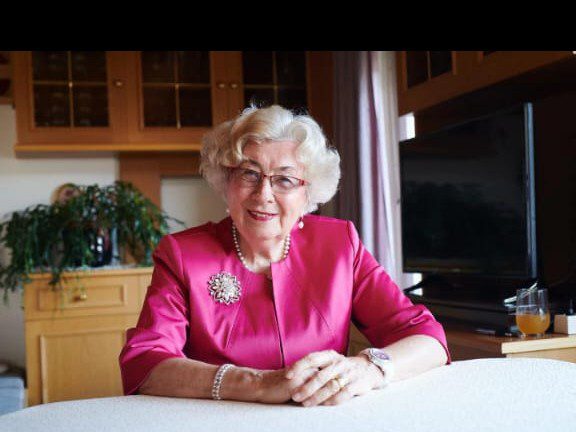
MUKONO: A CENTRE FOR EDUCATION AND COMMUNITY DEVELOPMENT
Mukono District has been an important centre for Vision for Africa International’s activities.
The organisation’s Ugandan headquarters is associated with Kiyunga, off Kayunga Road, where its work has developed around educational, social and community programmes.
Its institutional presence demonstrates how charitable organisations can establish long-term programmes that bring together several services under a shared development mission.
Rather than treating education, healthcare and child welfare as completely separate issues, the organisation’s approach recognises that these areas frequently influence one another.
A child who receives school sponsorship may still struggle to learn if illness, hunger, disability or an unstable home environment prevents regular attendance.
Similarly, a young person who completes school but lacks practical skills may find it difficult to secure employment.
By combining educational opportunities with other forms of support, Vision for Africa International seeks to address several of these barriers.
The effectiveness of this approach, however, should be assessed through reliable information on school completion, employment, health outcomes, beneficiary wellbeing and the long-term sustainability of its programmes.
EDUCATION AS A FOUNDATION FOR TRANSFORMATION
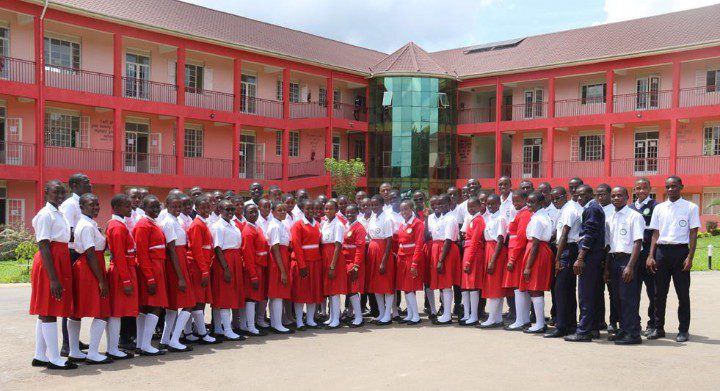
Education remains one of the most prominent pillars of Vision for Africa International.
Its published programme information identifies nursery and primary education, secondary schooling, vocational training and further educational opportunities among its areas of work.
The organisation has described educational institutions and programmes in locations including Kiyunga, Tongolo, Kikondo, Karamoja and Kasenda.
These institutions seek to provide learning opportunities for children and young people while promoting personal development and practical competence.
Early-childhood education is particularly important because it helps children develop foundational language, social, cognitive and numeracy skills before progressing to primary school.
Primary education then provides the basis for literacy, numeracy and continued learning.
Secondary education creates opportunities for further study, professional preparation and participation in the wider economy.
For vulnerable children, educational sponsorship can help reduce financial barriers that might otherwise lead to interrupted schooling or premature withdrawal from education.
However, long-term educational success requires more than enrolment. It also depends on teacher quality, adequate learning materials, school infrastructure, safeguarding, family engagement and effective academic management.
Vision for Africa International’s educational mission therefore provides an opportunity to examine how charitable support can complement Uganda’s broader efforts to expand access to quality education.
VISION FOR AFRICA HIGH SCHOOL: PREPARING YOUNG PEOPLE FOR THE FUTURE
One of the organisation’s prominent educational institutions is Vision for Africa High School in Nakifuma, Mukono District.
According to its official website, the mixed boarding secondary school was founded in 2019 and offers arts and sciences under Uganda’s national curriculum.
The school identifies its examination pathway as the Uganda Certificate of Education and the Uganda Advanced Certificate of Education.
Its published institutional information lists its UNEB examination centre number as U3966.
The school’s educational philosophy combines academic learning with character development, practical skills and Christian values.
Its approach emphasises the development of the heart, head, hands and social relationships.
The emphasis on the heart concerns character, wisdom and personal responsibility. The head represents knowledge and academic development, while the hands represent practical skills and productive activity. The school’s community-oriented approach also encourages students to participate in clubs and other extracurricular activities.
This educational philosophy is relevant in a world where academic qualifications alone may not be sufficient for success.
Young people also need communication skills, discipline, creativity, problem-solving abilities, digital competence and the capacity to work with others.
Practical activities such as agriculture, animal husbandry, sports and creative arts can complement classroom learning by exposing students to different interests and potential livelihood pathways.
For Vision for Africa High School, continued investment in qualified teachers, learning resources, student welfare and academic quality will be important to achieving these objectives.
VOCATIONAL TRAINING: CONNECTING EDUCATION TO EMPLOYMENT
A major challenge facing many young people in Uganda is the transition from education into employment.
Although academic education is essential, some learners benefit from technical and vocational training that equips them with practical skills directly applicable to the workplace.
Vision for Africa International has incorporated vocational education into its broader development approach.
Historical reporting has identified training in practical occupations, including carpentry, ceramics and motor vehicle engineering.
These fields can provide a foundation for employment, apprenticeships or self-employment when training is linked to market demand and supported by appropriate equipment and instruction.
A 2021 Daily Monitor report on Prean’s work documented the experience of a beneficiary who had received vocational training and subsequently operated a carpentry workshop.
Such examples illustrate the potential relationship between education, technical competence and enterprise development.
Nevertheless, successful vocational training requires more than teaching a trade. Trainees need access to suitable tools, workplace experience, business knowledge, financial literacy and information about available markets.
Institutions offering these programmes can strengthen their impact by maintaining relationships with employers, trade associations and local businesses.
Tracking graduates after training is equally important. Information about employment, earnings, business survival and further education can help institutions determine whether their courses are meeting learners’ needs.
SUPPORTING CHILDREN WITHOUT ADEQUATE FAMILY RESOURCES
Vision for Africa International’s work also includes support for vulnerable children through sponsorship and residential care arrangements.
Its published project information describes children’s homes intended to provide care and a supportive environment for children who cannot adequately remain in their existing circumstances.
Residential care can provide essential protection in particular situations, but child welfare requires careful assessment of each child’s needs and family circumstances.
Where it is safe and appropriate, family-based care, kinship care and community support can help children maintain important relationships and connections.
Child protection must remain central to every programme involving vulnerable children.
This includes appropriate recruitment and supervision of staff, procedures for reporting safeguarding concerns, protection against abuse and exploitation, confidentiality and clear accountability.
Sponsorship programmes also require transparent communication between organisations and donors.
Sponsors should understand what their contributions cover, how children’s progress is monitored and how educational assistance is managed when a beneficiary changes schools or completes a programme.
For the organisation, safeguarding and accountability are not simply administrative requirements. They are essential to protecting the very children its mission seeks to serve.
HEALTHCARE: SUPPORTING HEALTHY DEVELOPMENT
Vision for Africa International has also developed healthcare-related activities as part of its wider social mission.
The organisation’s published medical information identifies Jehovah Rapha Health Centre IV in Mukono, established in 2010, as one of its healthcare facilities.
It also identifies a hospital on Mount Galilee near Jinja.
These facilities form part of the organisation’s reported efforts to provide medical services to children, staff and surrounding communities.
Healthcare is closely connected to educational achievement and social wellbeing.
A child suffering from untreated illness may struggle to attend school regularly, concentrate during lessons or participate in other developmental activities.
Similarly, access to maternal and other essential health services can contribute to the wellbeing of families and communities.
The organisation’s published information also identifies a prosthetics workshop in Kiyunga associated with cooperation involving the German organisation Pro Uganda.
Prosthetic services can help people with limb loss regain mobility, independence and greater participation in everyday activities.
As with its educational programmes, the impact of healthcare initiatives should be assessed using current information on services provided, patient numbers, affordability, staffing, regulatory compliance and health outcomes.
Reliable data would help establish the extent to which these services are meeting community needs.
AGRICULTURE AND FOOD SECURITY
Agriculture is another area of interest in Vision for Africa International’s development model.
The organisation has described efforts to increase its ability to produce food for the people served by its programmes.
Institutional food requirements can represent a significant recurring expenditure for schools, children’s homes and other charitable facilities.
Agricultural production may help reduce purchasing costs, improve food availability and provide practical learning opportunities.
Where properly managed, agricultural activities can also expose young people to crop production, animal husbandry, food processing and other livelihood skills.
However, the benefits depend on good agricultural planning, access to land and equipment, sound management and an understanding of production costs.
For organisations seeking to strengthen food security, it is important to measure the quantity and quality of food produced, the costs incurred and the contribution made towards institutional consumption.
Agricultural programmes can also create opportunities for partnerships with technical institutions, agricultural extension services, local farmers and private businesses.
SUPPORTING CHILDREN WITH DISABILITIES
Inclusive development requires attention to children and young people who face additional barriers because of disability.
Vision for Africa International’s published education information identifies Spring of Joy as a school serving children with physical or intellectual disabilities.
Specialist educational provision can help learners develop communication, social, academic and practical skills in environments designed around their needs.
However, disability inclusion requires sustained investment in accessible facilities, specialised teaching, appropriate learning materials and individualised support.
Partnerships with rehabilitation providers and disability organisations can help strengthen these services.
There are also opportunities to expand access to digital learning and vocational training for young people with disabilities.
With suitable adaptations, many learners can acquire skills in areas such as computer applications, graphic design, digital communication, photography and other creative or technical occupations.
The wider objective should be to ensure that disability does not automatically exclude a person from education, meaningful work or participation in community life.
INTERNATIONAL PARTNERSHIPS AND THE ROLE OF DONORS
Vision for Africa International’s work has depended in part on support from sponsors, donors, volunteers and international partners.
Its published information identifies European support structures, including Stiftungswerk Arche in Germany.
International charitable partnerships can provide financial resources, technical knowledge, volunteer support and access to wider networks.
Such support can make it possible to finance educational materials, maintain facilities, sponsor children and develop services that might otherwise be unaffordable.
However, international funding also creates a responsibility to demonstrate transparency and measurable results.
Donors increasingly need clear information about programme objectives, financial management, beneficiary selection and outcomes.
For Vision for Africa International, continued donor confidence will be important as it navigates the period following its founder’s death.
A diversified funding model, strong local partnerships and transparent financial reporting could help reduce dependence on individual supporters and strengthen long-term sustainability.
The organisation’s publicly available programme descriptions provide information about its mission and activities, but a complete independent assessment of its consolidated finances requires access to current audited financial statements and relevant organisational records.
Such documentation would help donors and institutional partners understand the financial position of the organisation and the resources available for its programmes.
THE CHALLENGE OF CONTINUITY AFTER THE FOUNDER
The reported death of Dr Maria Luise Prean presents an important moment for reflection on the future of Vision for Africa International.
Founder-led organisations frequently benefit from the commitment, personal relationships and fundraising abilities of the individuals who establish them.
However, the long-term survival of their work depends on developing systems that can function effectively beyond the founder’s lifetime.
For Vision for Africa International, several priorities deserve attention.
First, the organisation needs clear and effective leadership arrangements that establish responsibility for strategic decisions and day-to-day operations.
Second, its schools and healthcare facilities need continuity in staffing, financing and service delivery.
Third, educational sponsorships and child welfare arrangements must be protected from unnecessary disruption.
Fourth, relationships with international donors and local communities need to be maintained through regular communication and reliable reporting.
Fifth, institutional knowledge and the founding mission should be preserved through appropriate governance structures, policies and long-term planning.
These are important priorities for institutional resilience. They should not be interpreted as evidence that the organisation’s programmes have ceased operating or that its financial position has deteriorated.
The central question is how the organisation can preserve the founder’s commitment to vulnerable children while continuing to develop as a sustainable institution.
OPPORTUNITIES FOR COLLABORATION WITH UGANDAN EDUCATIONAL INSTITUTIONS
Vision for Africa International’s educational and social programmes create opportunities for cooperation with universities, colleges, vocational institutions, local governments, healthcare providers and private-sector organisations.
Potential areas of collaboration include scholarships, technical training, teacher development, disability inclusion, agricultural education, community health and research.
Institutions specialising in creative arts and digital technology could also explore training opportunities for interested young people.
For example, a partnership could offer supervised instruction in graphic design, photography, videography, multimedia production, computer applications and digital marketing.
Such programmes would need to be developed in consultation with the participating institutions, with clear course objectives, appropriate resources and realistic budgets.
Another possible area is graduate mentorship and employment preparation.
Young people completing vocational programmes could benefit from business mentorship, workplace placements, entrepreneurship training and support in accessing potential employers.
Research partnerships could also examine the long-term impact of educational sponsorship, the employment outcomes of vocational graduates and the factors that help vulnerable learners complete their studies.
Any formal collaboration should be based on mutual agreement, verified institutional credentials, appropriate safeguarding arrangements and measurable objectives.
A DEVELOPMENT LESSON FOR UGANDA
The experience of Vision for Africa International highlights several lessons relevant to Uganda’s wider development agenda.
The first is that education remains a powerful tool for expanding opportunity, particularly when children from disadvantaged backgrounds receive the support necessary to remain in school.
The second is that vocational training can complement academic education by equipping young people with practical skills relevant to employment and enterprise development.
The third is that healthcare, food security and child protection are closely linked to educational success.
The fourth is that partnerships among government institutions, faith-based organisations, civil society and private businesses can help mobilise resources and expertise.
The fifth is that long-term impact requires accountability, sound governance and reliable evidence of results.
Charitable organisations can make important contributions, but their achievements should be assessed not only by the number of programmes established or children enrolled. The ultimate question is whether beneficiaries experience sustained improvements in their lives.
For children, this may mean completing school, acquiring practical skills, remaining safe and gaining opportunities to participate in society.
For communities, it may mean improved access to education and healthcare, stronger livelihoods and greater capacity to support vulnerable households.
CONCLUSION: PRESERVING A LEGACY OF HOPE
Vision for Africa International has developed a broad charitable mission that connects education, child welfare, vocational training, healthcare, disability-related support and community development.
Its history reflects the commitment of Dr Maria Luise Prean, whose missionary work became associated with educational and social opportunities for vulnerable children in Uganda.
Following the reported death of its founder in October 2026, the organisation enters an important period in which leadership continuity, sound governance and long-term sustainability will be central to preserving its mission.
The challenge is not merely to maintain existing institutions. It is to ensure that they continue to provide safe, effective and accountable services to the people who depend on them.
For Uganda, the experience of Vision for Africa International offers an opportunity to reflect on how charitable organisations can complement national development efforts while remaining responsive to community needs.
Ultimately, the most meaningful legacy of an organisation devoted to children is reflected in the opportunities those children gain, the skills they acquire, the protection they receive and the contributions they are able to make to society.
As Vision for Africa International looks towards the future, its continued success will depend on turning its founding vision into sustainable institutional practice, supported by responsible leadership, effective partnerships and a lasting commitment to the dignity and potential of every child.