

By Don Edwarles MKM
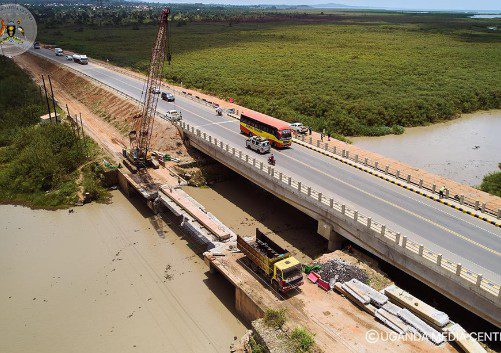
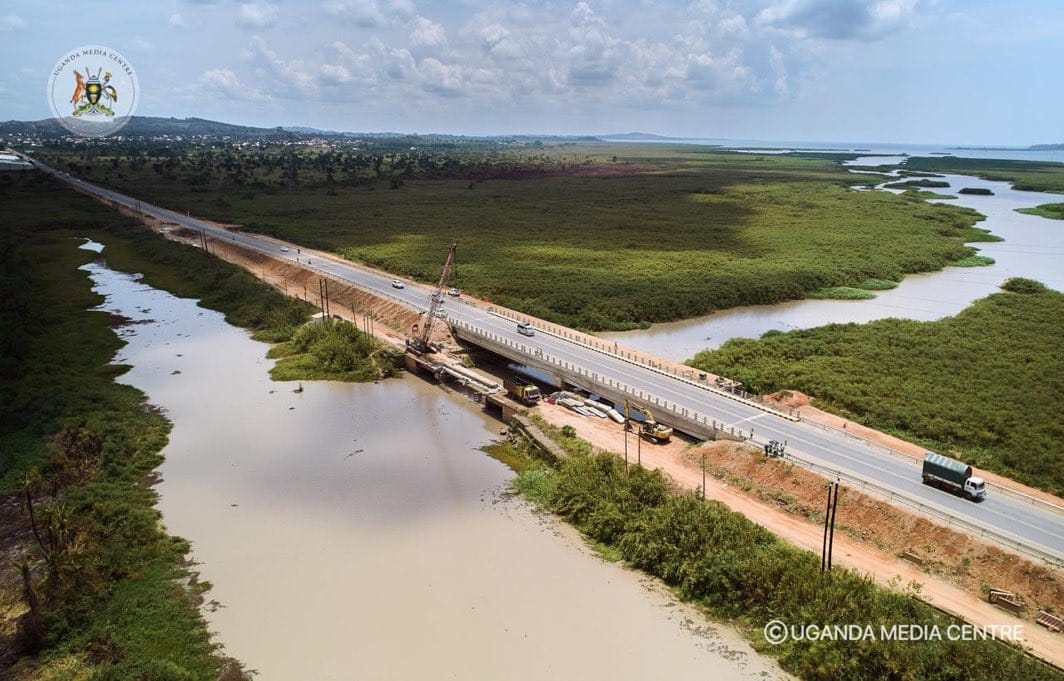
Uganda’s transport network has received a major boost following the official reopening of the Katonga Bridge along the Kampala–Masaka Highway after the completion of a UGX 190 billion reconstruction project. The development marks a significant milestone in restoring one of the country’s most important transport corridors, which connects Kampala and central Uganda to the western and southwestern regions.
The reconstructed bridge was officially commissioned on October 2, 2026, bringing relief to motorists, transport operators, traders, travellers and communities whose economic and social activities had been significantly affected by the collapse of the original structure in May 2023.
The reopening represents more than the restoration of a physical infrastructure facility. It signals renewed connectivity, improved mobility and opportunities for economic recovery along a strategic national transport corridor.
FROM FLOOD DISASTER TO INFRASTRUCTURAL RECOVERY
The Katonga Bridge collapsed in May 2023 following heavy flooding that severely affected the surrounding area. The incident disrupted movement along the Kampala–Masaka Highway, creating considerable challenges for road users and businesses that depend on the route.
As one of the major transport links serving central, western and southwestern Uganda, the bridge plays an important role in facilitating the movement of people, agricultural produce, manufactured goods and other commercial commodities.
Its collapse forced motorists to rely on alternative routes, resulting in longer journeys, increased transport costs, delays in the delivery of goods and additional logistical challenges for businesses.
For traders, transport companies, farmers and ordinary travellers, the disruption highlighted the importance of resilient transport infrastructure in supporting Uganda’s economic development.
The reconstruction of the bridge therefore became a critical intervention aimed at restoring normal traffic movement and strengthening the country’s road transport system.
UGX 190 BILLION INVESTMENT IN CLIMATE-RESILIENT INFRASTRUCTURE
The UGX 190 billion reconstruction project reflects a substantial investment in restoring and strengthening the Katonga crossing.
Unlike a simple replacement of the collapsed structure, the reconstruction was reportedly designed to address some of the underlying vulnerabilities exposed by the 2023 flooding.
The new bridge incorporates stronger foundations and improved drainage systems, with the objective of enhancing structural stability and managing water flows more effectively.
These engineering improvements are particularly important given the increasing need for infrastructure that can withstand extreme weather conditions, including heavy rainfall, flooding and other climate-related challenges.
The project demonstrates the importance of integrating disaster-risk reduction and climate resilience into the planning, design and implementation of major national infrastructure projects.
As Uganda continues to invest in its transport network, the experience of Katonga provides an important reminder that infrastructure development must consider not only present-day transport requirements but also future environmental risks.
A NEW CHAPTER FOR TRADE AND ECONOMIC CONNECTIVITY
The reopening of Katonga Bridge is expected to deliver important economic benefits to different sectors of Uganda’s economy.
The Kampala–Masaka Highway serves as a major transportation corridor for commercial activities between the capital and several districts in the central, western and southwestern parts of the country.
With the bridge restored, businesses are expected to benefit from improved movement of goods, reduced dependence on lengthy alternative routes and more predictable transportation arrangements.
Agricultural producers may also benefit from improved access to markets, particularly those transporting fresh produce and other agricultural commodities to urban consumption centres.
Transport operators, including passenger buses, taxis, private motorists and freight companies, are equally expected to benefit from the restoration of direct connectivity.
Furthermore, improved road access can support tourism, facilitate access to health and education services, and strengthen commercial relationships between communities along the highway.
The economic significance of the bridge extends beyond the immediate Katonga area because transport infrastructure connects production centres, markets, service providers and consumers across different geographical regions.
INFRASTRUCTURE AND NATIONAL DEVELOPMENT
The reopening of Katonga Bridge highlights the relationship between infrastructure investment and national development.
Road infrastructure remains a fundamental component of Uganda’s economic transformation agenda. Efficient transport networks facilitate trade, encourage investment, improve access to public services and reduce the geographical barriers that often constrain economic opportunities.
However, the experience of the Katonga Bridge also raises important questions about the maintenance, inspection and resilience of public infrastructure.
The increasing occurrence of extreme weather events makes it necessary for infrastructure planners, engineers and relevant government institutions to strengthen drainage management, environmental protection, bridge inspections and disaster preparedness.
Investments in resilient infrastructure should therefore be accompanied by regular maintenance programmes, effective monitoring systems and adequate emergency-response mechanisms.
The long-term value of the UGX 190 billion investment will depend not only on the quality of reconstruction but also on the ability of responsible institutions to maintain the bridge and protect the surrounding infrastructure.
RELIEF FOR MOTORISTS AND COMMUNITIES
For the thousands of people who regularly use the Kampala–Masaka Highway, the reopening of the bridge is an important development.
The prolonged disruption demonstrated how the failure of a single strategic infrastructure facility can affect livelihoods, businesses, public services and everyday mobility.
The restoration of the crossing is expected to make journeys more convenient and strengthen the movement of people and commodities between different parts of the country.
It also offers renewed confidence to commercial operators and communities that depend on the highway for their economic and social activities.
Nevertheless, motorists are encouraged to observe traffic regulations, follow road safety instructions and exercise caution when approaching and crossing the newly reconstructed bridge.
CONCLUSION: RESTORING CONNECTIVITY, STRENGTHENING RESILIENCE
The reopening of Katonga Bridge on October 2, 2026, following a UGX 190 billion reconstruction investment, is an important milestone in Uganda’s infrastructure development journey.
From the disruption caused by the May 2023 flooding to the restoration of this strategic transport crossing, the Katonga experience illustrates the critical importance of reliable, sustainable and climate-resilient infrastructure.
As traffic resumes along the Kampala–Masaka Highway, the bridge is expected to contribute to improved mobility, stronger commercial activities and enhanced connectivity between Uganda’s central, western and southwestern regions.
Ultimately, the success of this investment should be measured not only by the reopening ceremony but also by its long-term contribution to safer transportation, economic productivity and the resilience of Uganda’s national road network.
A bridge may connect two sides of a river, but a strategic national bridge connects communities, markets, opportunities and the future of a country.
DON EDWARLES MKM
Gateway News | Reporting on Development, Leadership, Society and Transformation.