

A quiet but growing storm is building across Uganda’s trading sector.
What began as a policy shift to reorganize urban commerce is now exposing deeper cracks in the country’s socio-economic structure—raising urgent questions about whether the nation is approaching a tipping point.
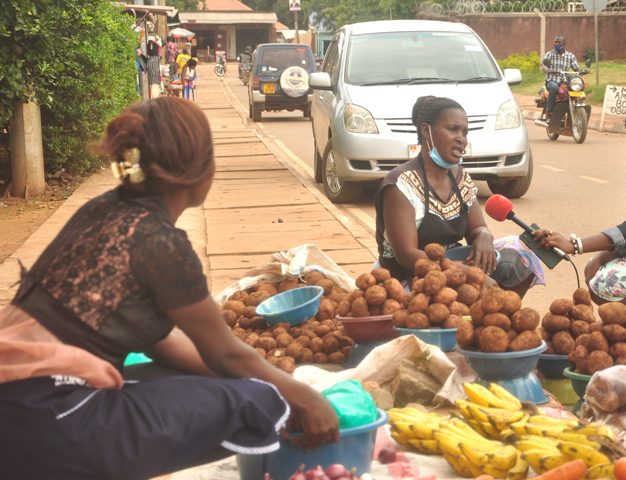
From Kampala’s congested business corridors to emerging municipalities, traders affected by the new trading order say their livelihoods are under threat. Many have been displaced from kiosks and informal trading spaces that, for years, served as their only source of income.
A Policy Under Scrutiny
The government’s new directive aims to streamline trade, enforce urban order, and formalize business operations.
Officials argue that unregulated kiosks and roadside markets contribute to congestion, poor sanitation, and lost tax revenue.
But investigations reveal a different reality on the ground.
Interviews with trader representatives indicate:
- Minimal consultation prior to enforcement
- Abrupt evictions without viable relocation alternatives
- Rising unemployment among low-income urban populations
For many, the policy is not just reform—it is disruption without a safety net.
Economic Strain Meets Public Frustration
Uganda’s informal sector employs a significant portion of the population.
Analysts warn that policies affecting this sector must be handled with precision, as even minor disruptions can ripple into broader economic distress.
“When people lose their daily income suddenly, the impact is immediate,” one economic observer noted. “It’s not theoretical—it affects food, rent, school fees.”
The growing discontent is no longer isolated. Reports indicate increasing coordination among trader groups, with calls for collective action if their concerns remain unaddressed.
Lessons from History
Scholars often cite the French Revolution as a defining example of how prolonged economic hardship, inequality, and governance disconnect can culminate in mass upheaval.
While Uganda’s context is different, parallels in public discourse are becoming harder to ignore:
- Rising cost of living
- Perceived inequality in enforcement of policies
- Limited participation of affected groups in decision-making
History does not repeat itself exactly—but patterns of tension can emerge under similar pressures.
Government Response
Authorities defend the reforms as necessary and overdue.
According to official statements, the trading order is designed to:
- Restore urban order and planning
- Improve public health standards
- Integrate informal businesses into the formal economy
Government representatives also emphasize that compliance is essential for national development, though details on mitigation measures for displaced traders remain limited.
Warning Signs—But Not Inevitable Outcomes
Security and policy experts caution against alarmism but acknowledge that the situation requires urgent attention.
“The risk is not the policy itself,” one analyst explained, “but how it is implemented. Exclusion and economic pressure can fuel unrest if not addressed through dialogue.”
At the same time, there is no verified evidence of coordinated violent plans, despite strong rhetoric emerging in some discussions.
Experts stress that peaceful engagement remains the only sustainable path forward.
A Critical Crossroads
Uganda now faces a delicate balancing act: enforcing order while preserving livelihoods.
Key recommendations emerging from stakeholders include:
- Immediate structured dialogue with trader associations
- Gradual implementation of reforms
- Clear resettlement or compensation frameworks
- Strengthening local government mediation mechanisms
Conclusion: Reform or Resistance?
The unfolding situation is less about a single policy and more about trust between citizens and institutions.
The French Revolution reminds the world that economic grievances, when left unresolved, can reshape nations. But Uganda’s future is not predetermined.
Whether the current tensions evolve into constructive reform or deeper division will depend on decisions made now—by both leaders and citizens.