
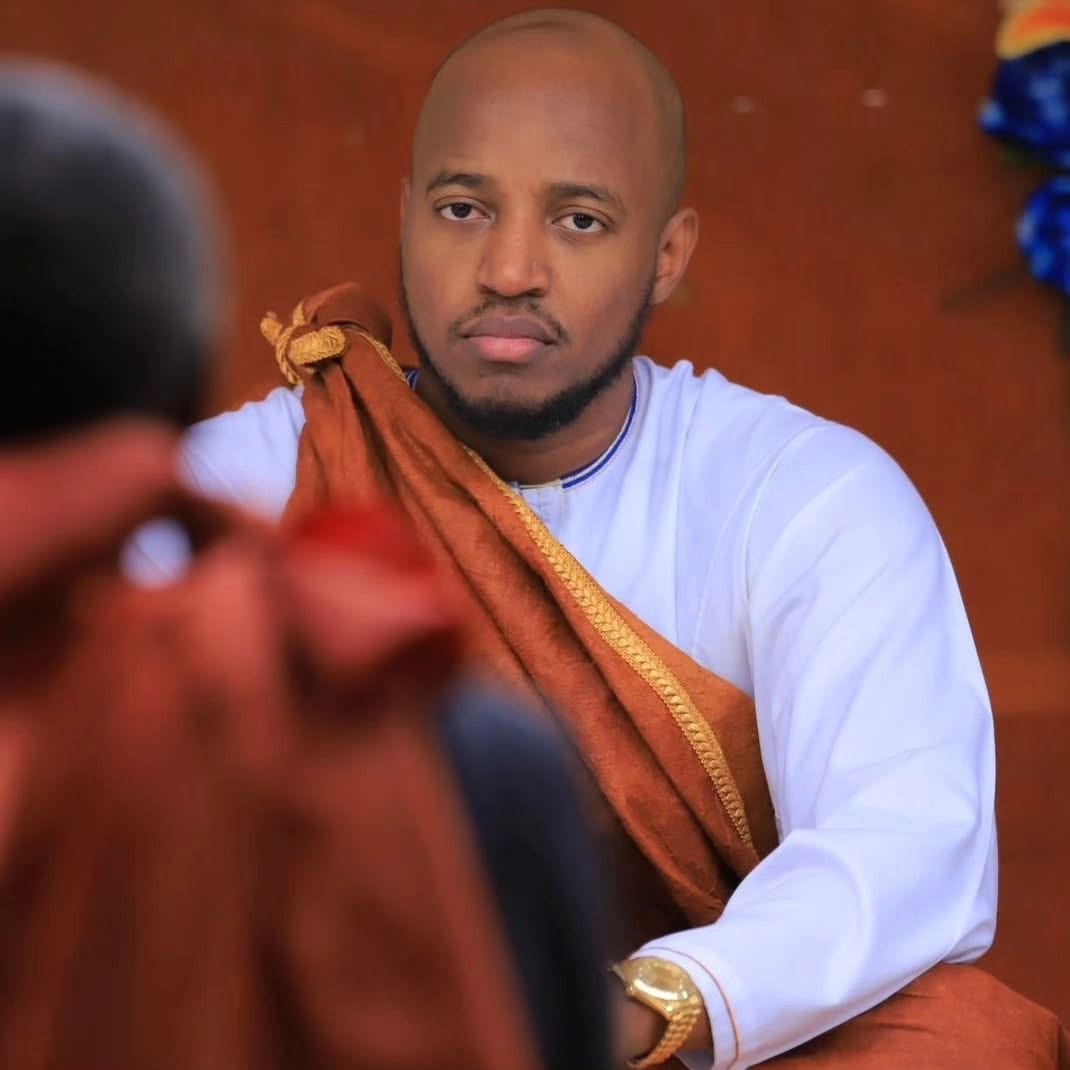
On the evening of August 27, 2026, Tooro Kingdom Prime Minister Calvin Armstrong Rwomiire Akiiki announced the death of Omukama Oyo Nyimba Kabamba Iguru Rukidi IV.
The statement was brief and formal.
The loss, he said, was immeasurable to the royal family, the people of Tooro and the nation. The continuity of the crown, he added, was assured.
King Oyo was 34. He had spent nearly 31 years on the throne.
Born on April 16, 1992, to Omukama Patrick David Matthew Kaboyo Olimi III and Queen Mother Best Kemigisa, Oyo was only three years old when his father died suddenly on August 26, 1995.
A week later, on September 12, the young prince was enthroned according to Tooro custom.
Because of his age, regents guided the kingdom as he grew up.
His unusual position also brought international attention.
He was recognised by Guinness World Records as the world’s youngest reigning monarch.
In April 2010, shortly before turning 18, he was formally crowned as an adult monarch.
Much of Oyo’s public identity was shaped by that extraordinary beginning: the child king who grew into his responsibilities.
His education took him from Aga Khan Primary School to Kabira International School and later to Winchester University, where he studied Business Management.
As he grew older, his public role increasingly moved beyond royal ceremony to development and community initiatives.
The Omukama’s formal powers were limited by Uganda’s constitutional order, but the cultural authority of the institution remained significant. Oyo used that platform to promote issues he considered important to the welfare of his subjects.
Agriculture was among his recurring priorities.
He toured parts of the kingdom encouraging communities to improve household incomes through farming.
He also supported youth programmes, education bursaries and health initiatives, including efforts aimed at addressing HIV/AIDS.
In 2022, he led a royal expedition up the Rwenzori Mountains, drawing attention to climate change and the potential of mountaineering tourism in the region.
The following year, he was named a United Nations Global Peace Ambassador.
His public engagements often combined royal tradition with practical community work.
He handed certificates to local chiefs, visited farms and spoke about the importance of protecting kingdom land and ensuring that subjects could continue living and working on it without fear of displacement.
In the final year of his life, he continued travelling through the kingdom and supporting youth economic empowerment programmes.
Among the initiatives associated with his tours were the distribution of coffee and cocoa seedlings and poultry to communities.
But his final weeks were marked by uncertainty.
In early August, the kingdom dismissed reports that the Omukama was seriously ill, saying he was abroad for engagements and studies. Later, the situation became more serious.
On August 27, kingdom officials confirmed that Oyo was in critical condition and receiving treatment in the United States.
That evening, the announcement of his death followed.
The kingdom did not immediately disclose details of the illness.
Reports subsequently referred to cancer, although the circumstances surrounding his final illness remained limited in the public domain.
Oyo leaves behind a prince whose identity, according to the kingdom, will be revealed in accordance with Tooro tradition.
The institutions of the monarchy remain. But his death closes one of the most unusual chapters in the kingdom’s modern history.
For almost three decades, Tooro had a monarch whose childhood was lived in the public eye and whose adulthood was spent balancing the traditions of the throne with the demands of a changing society.
His reign began with a three-year-old boy being placed on the throne.
It ended with a 34-year-old monarch whose public work had increasingly focused on agriculture, youth empowerment, education, health and the environment.
Whether those efforts will endure beyond his reign is a question that will be answered by the communities and institutions he leaves behind.
For now, Tooro faces a period of transition.
The crown continues.
But the boy who became king at three is gone at 34.