
KCB Bank Uganda has highlighted the importance of affordable financing in strengthening agribusinesses, improving food security and creating sustainable jobs, as Prime Minister Robinah Nabbanja called for stronger public-private partnerships to accelerate investment across Uganda’s food systems.
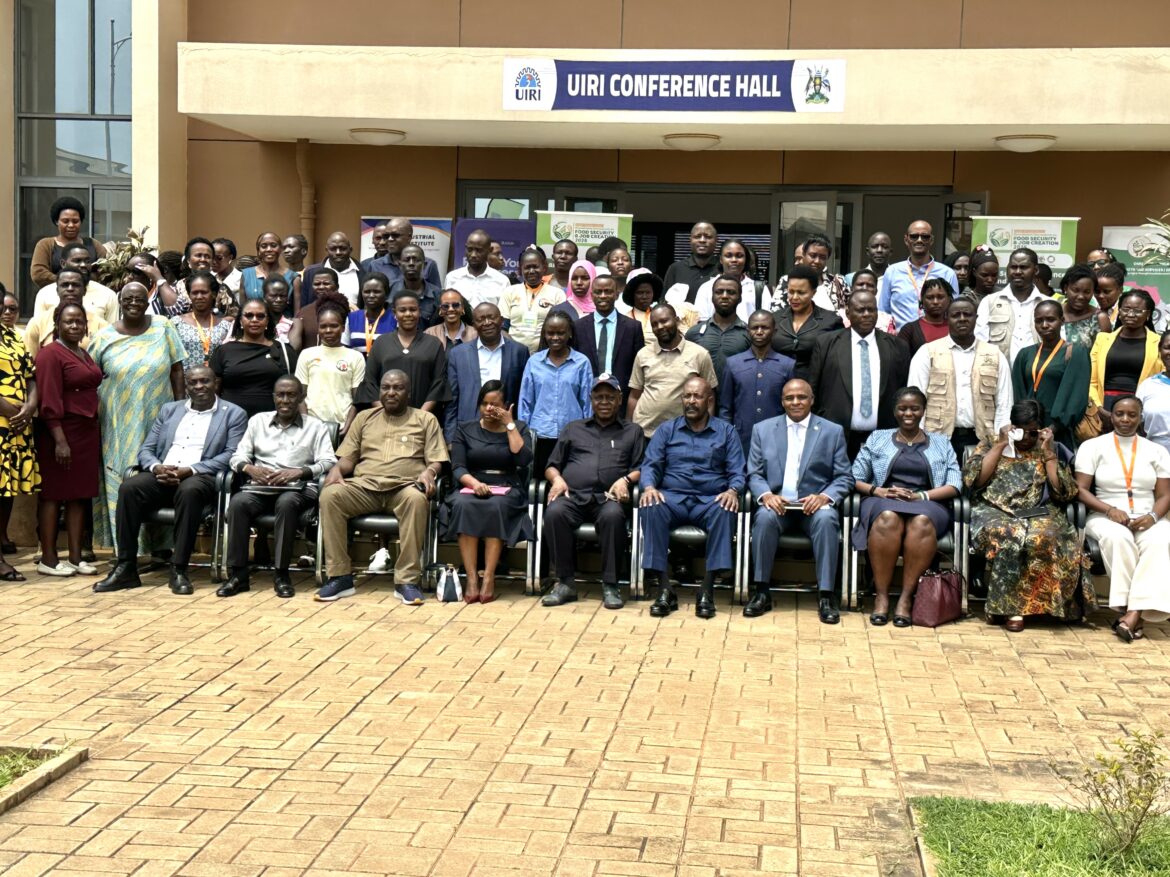
The bank made the case during the Public-Private Sector Round Table Discussion on Food Security and Job Creation 2026, taking place on 22–23 October at the Uganda Industrial Research Institute (UIRI), Namanve Campus.
Rt. Hon Nabbanja, the chief guest, officially opened the discussions, urging government, businesses and other stakeholders to work together to improve livelihoods and unlock opportunities across agricultural value chains.
Held under the theme “Investing in Resilient Food Systems for Enterprise Growth, Decent Work, Sustainable Livelihoods and Economic Transformation,” the event is organised by the African Agribusiness Incubators Network (AAIN) Uganda in collaboration with the SDG Secretariat under the Office of the Prime Minister.

In her opening remarks, Nabbanja emphasized the need to improve agricultural production, reduce post-harvest losses, expand storage and processing capacity, and strengthen connections between producers and markets.
“Government plans, public investment, and partnership must work together to improve people’s lives,” said Nabbanja, calling on stakeholders to identify practical opportunities across priority value chains and strengthen collaboration among producers, processors, financiers and markets.
According to Uganda’s National Planning Authority, approximately 68 per cent of the country’s workforce was employed in agriculture as of 2024, showing the sector’s importance to livelihoods and employment.
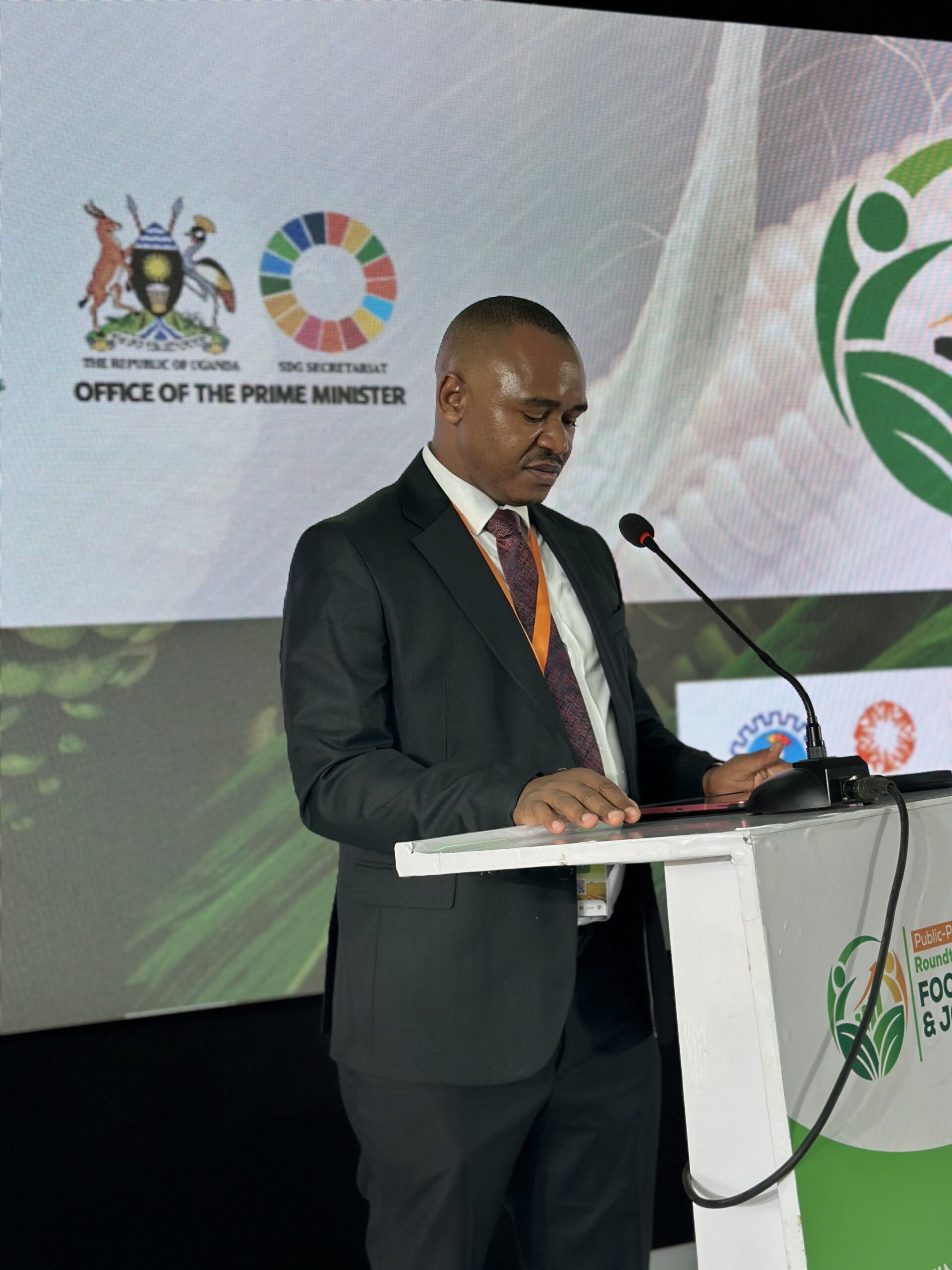
Speaking during a plenary session on unlocking finance and investment for agribusinesses, SMEs and food-system enterprises, Wensi Niwagaba, Head of SME Business at KCB Bank Uganda, highlighted how accessible financing can enable businesses overcome working capital constraints, invest in productive capacity and expand their operations.
“Food scarcity exists in some areas, while other areas have plenty. The question is: where is the integration? We need to strengthen the connections between producers, traders, processors and markets so that food can move efficiently from areas of plenty to areas of scarcity. Financing plays an important role in making that happen,” said Niwagaba.
KCB Bank Uganda supports eligible businesses through government-backed financing programmes administered through the Bank of Uganda. Under the Agricultural Credit Facility, eligible agricultural production and agro-processing investments attract interest rates of 12 per cent per annum, while qualifying grain-trading facilities attract rates of 15 per cent.
The Small Business Fund provides eligible small businesses with financing at 10 per cent per annum, subject to programme requirements and credit assessment.
These facilities can enable enterprises acquire equipment, improve production and processing capacity, manage working capital and finance expansion.
The bank also offers its Female-Led and Made Enterprises (FLME) proposition, which supports women entrepreneurs through financial solutions, including unsecured financing for eligible enterprises, helping address collateral barriers that can limit access to credit.
The scale of agricultural financing highlights the importance of these interventions. As of 30 June 2026, the government’s Agricultural Credit Facility had recorded cumulative disbursements of UGX 1.35 trillion to more than 14,000 beneficiaries, supporting agricultural commercialisation through investment in production, processing and related activities.
The ongoing round table provides a platform for government, financial institutions, agribusinesses, research institutions and development partners to explore practical solutions for strengthening Uganda’s food systems. Through improved access to finance, stronger market linkages and sustained collaboration, stakeholders aim to support enterprise growth, strengthen livelihoods and create sustainable employment.