
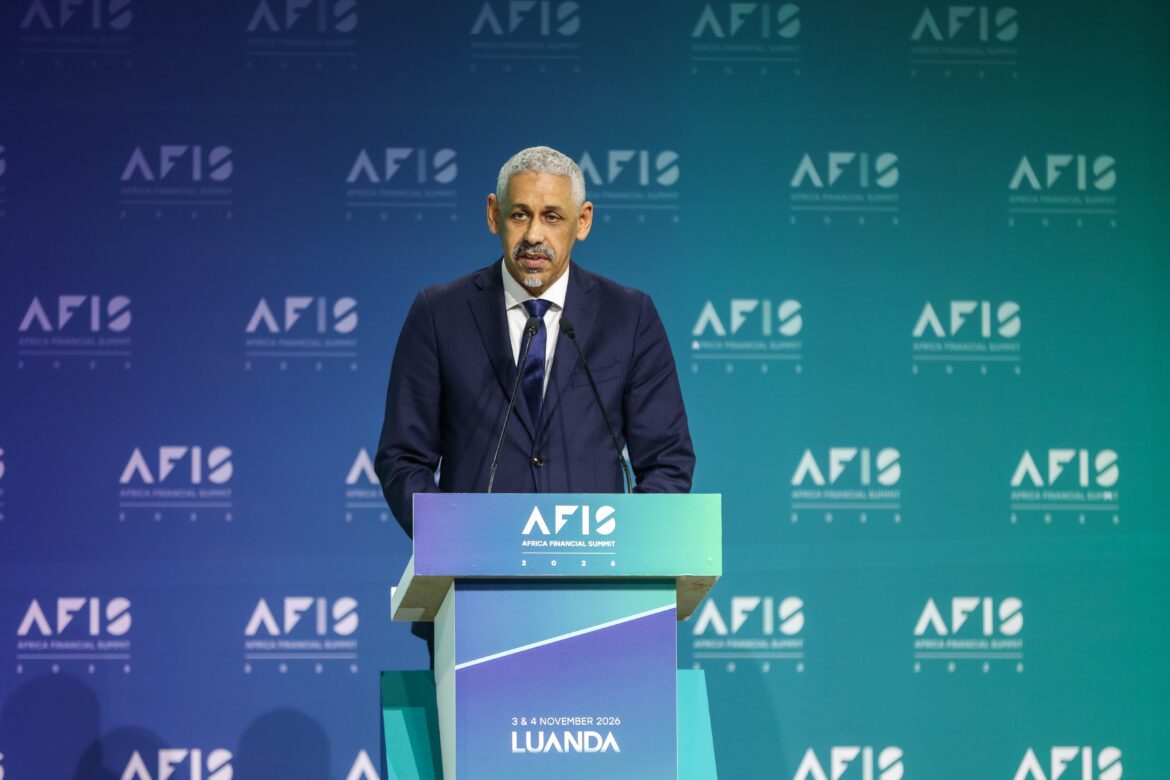
“For the continent’s financial strength to translate into economic power, African financial institutions must keep pace with the businesses they serve,” African Development Bank Group President Dr Sidi Ould Tah said at the opening of the Africa Financial Summit (AFIS) in Luanda on 3 November.
In his keynote address, President Ould Tah presented the New African Financial Architecture for Development (NAFAD) as a framework aimed at strengthening collaboration between institutions in Africa’s financial system.
NAFAD is a coordination initiative designed to rethink the way capital is mobilised and risks are shared within the African financial ecosystem.
President Ould Tah highlighted the disconnect between the timeframe of financial institutions, governed by reporting cycles, investment horizons and processing times, and that of businesses, measured in terms of business cycles, order fulfilment and talent retention.
This disconnects, he argued, is one of the main causes of lost economic growth in Africa.
He noted that the lack of coordination between institutions with shared responsibilities means that no single institution is seen to have failed, even as jobs go uncreated, farmers lose access to markets and countries import goods that could be produced locally.
He called on financial institutions to bridge this gap by simplifying their processes, improving operational coordination and adapting financial instruments to the realities faced by businesses, particularly SMEs.
Dr Ould Tah added that NAFAD equips national, regional and continental institutions with a common framework that enables them to reinforce one another’s core strengths, while respecting their respective mandates and the principles of subsidiarity and complementarity.
He cautioned against the temptation to view the assets of the African financial system “as available liquidity just waiting to be spent”. These assets, he said, “have different owners, obligations and time horizons”.
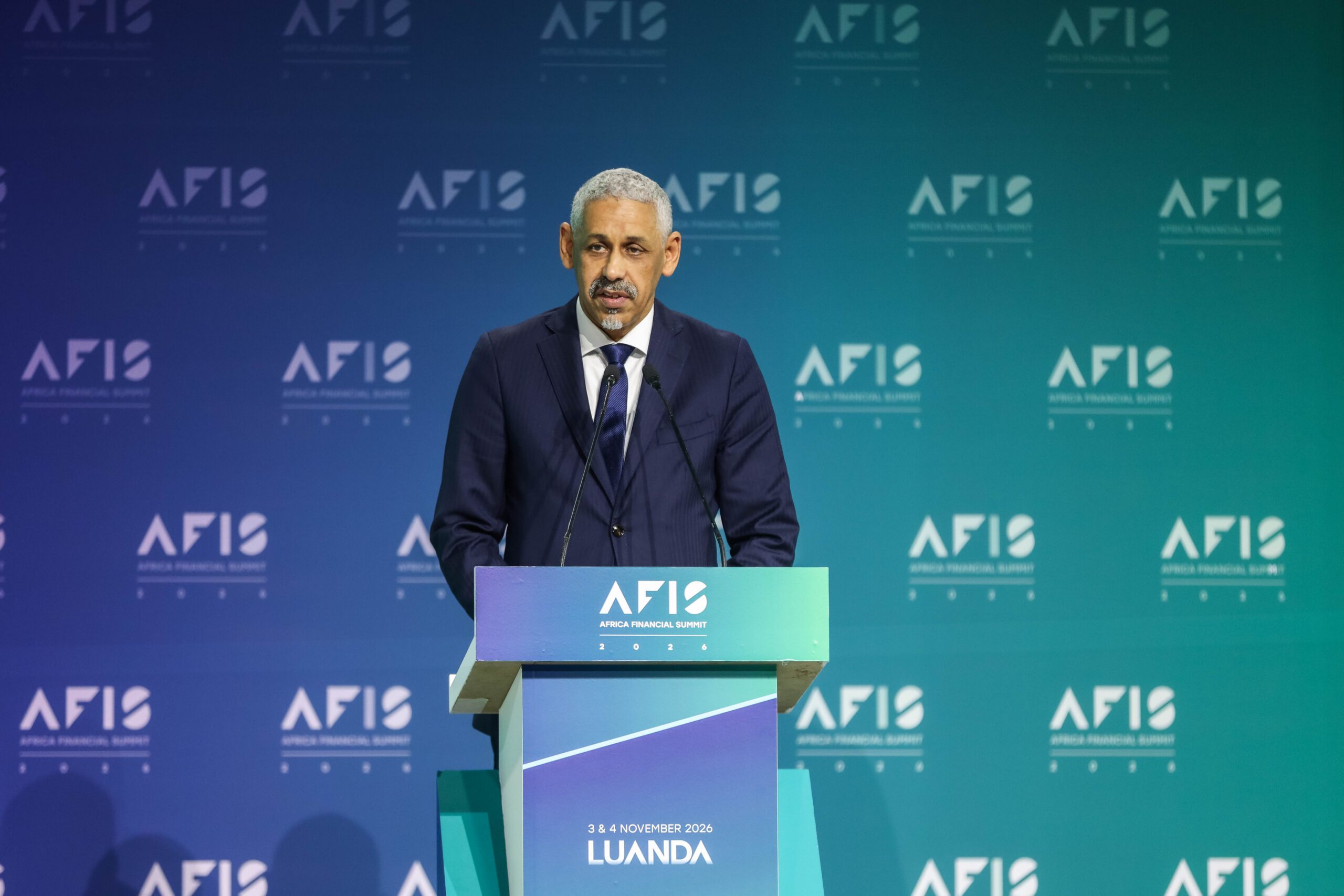
Improving coordination for capital mobilisation
In remarks, the Angolan Minister of State for Economic Coordination, José de Lima Massano, said that economic transformation depends on the quality, depth and efficiency of Africa’s financial systems.
“These institutions are capital multipliers, investment catalysts and key partners in economic transformation,” said Massano, referring to the continent’s multilateral financial institutions. “We must continue to strengthen their capacity to mobilise resources and improve coordination with national financial systems.”
Makhtar Diop, Managing Director of the International Finance Corporation (IFC said that his institution was collaborating with several African partners, including the African Development Bank Group, Afreximbank and the Development Bank of Southern Africa (DBSA). Praising Dr Ould Tah’s commitment to the continent’s development, Diop noted: “We are working together, and no one is more determined to drive Africa forward.”
He added that the IFC and the African Development Bank Group were in joint discussions with African sovereign wealth funds and institutional investors to mobilise long-term resources and channel them into productive sectors. He also proposed the establishment in each country of a private sector council tasked with identifying areas requiring reform and advising governments on the implementation of reform legislation.
A commitment to results
Dr Ould Tah also cautioned against treating Africa’s demographic dividend “as if it were already credited to an account”. “We have to earn it,” he said, through investment in education, skills and productive employment.
He disclosed that the Bank Group is streamlining its processes so that clients clearly understand what is required of them, who is responsible for each stage and how long decisions will take.
“You should judge us by our ability to deliver tangible results, both in the implementation of projects and in the lives of people,” he said.
The African Development Bank Group is one of the main partners of AFIS 2026, which took place in the Angolan capital on 3 and 4 November. The Bank Group hosted a side event on “Making the most of NAFAD to boost Africa’s real economy”, focusing on mobilising capital, improving project preparation and accelerating project implementation.