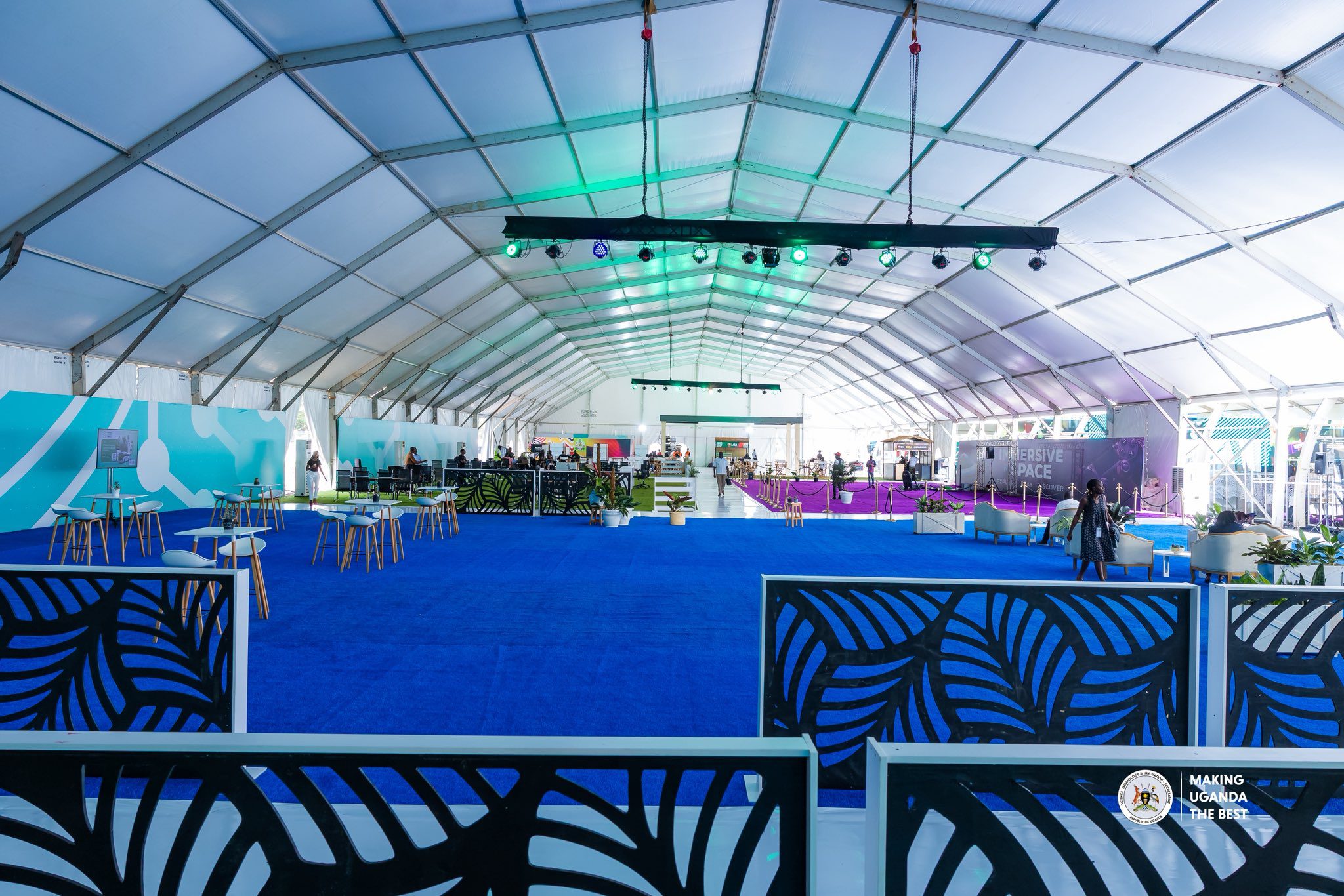

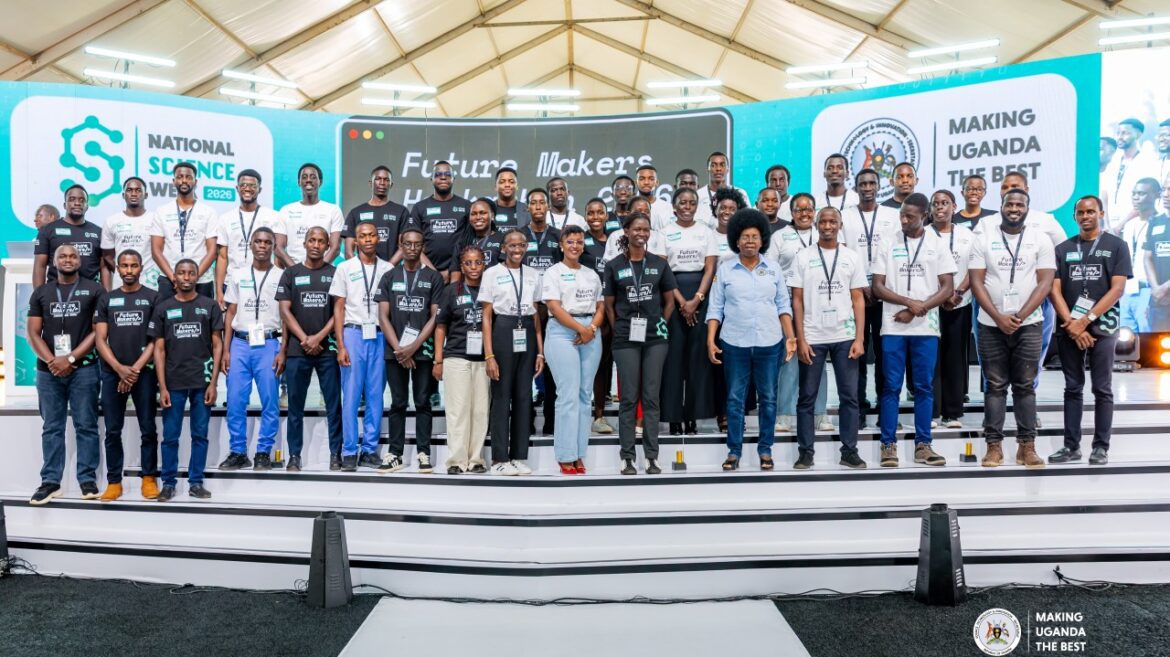
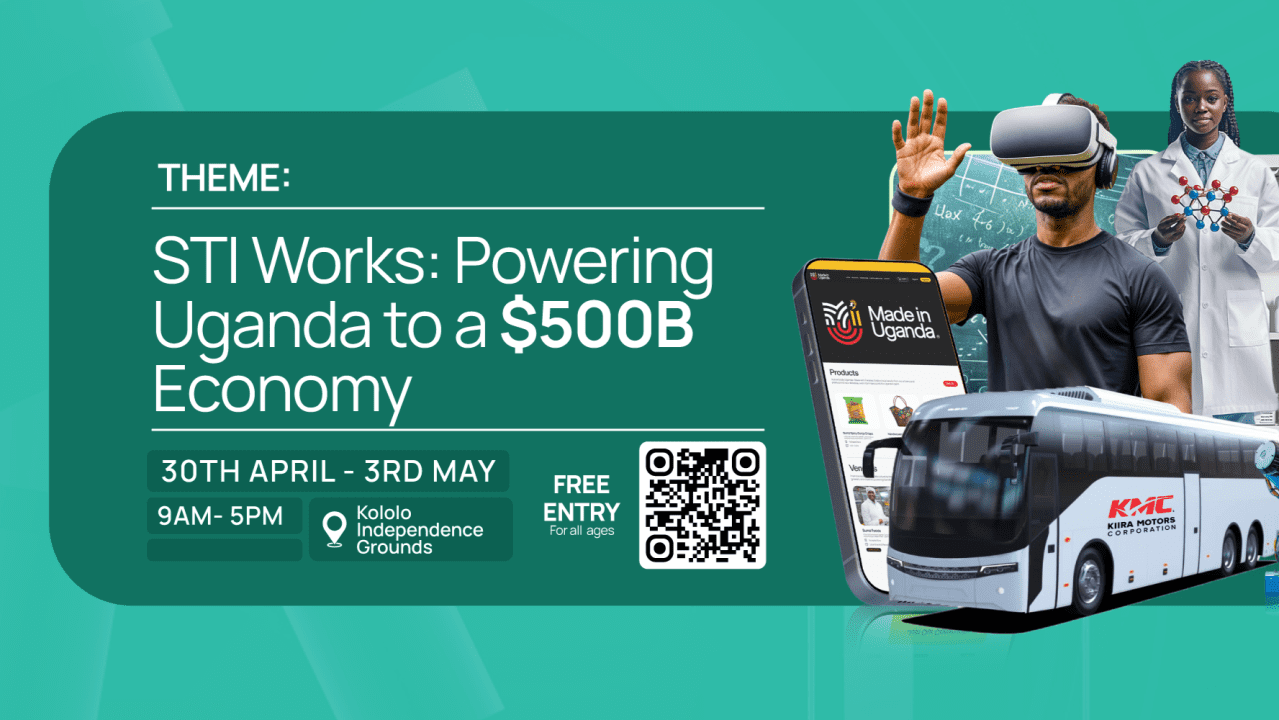
The National Science Week (NSW) 2026 was held at the Kololo Ceremonial Independence Grounds in Kampala from 29th April to 3rd April.
The president of the Republic of Uganda officially opened this event that marked a pivotal shift in Uganda’s economic narrative.
It was held under the theme “STI Works: Powering Uganda to a USD 500 Billion Economy,”.
This event moved beyond showcasing prototypes to demonstrating large-scale innovation deployment and market integration.
Here are the key highlights:
1. From Pathfinding to Acceleration
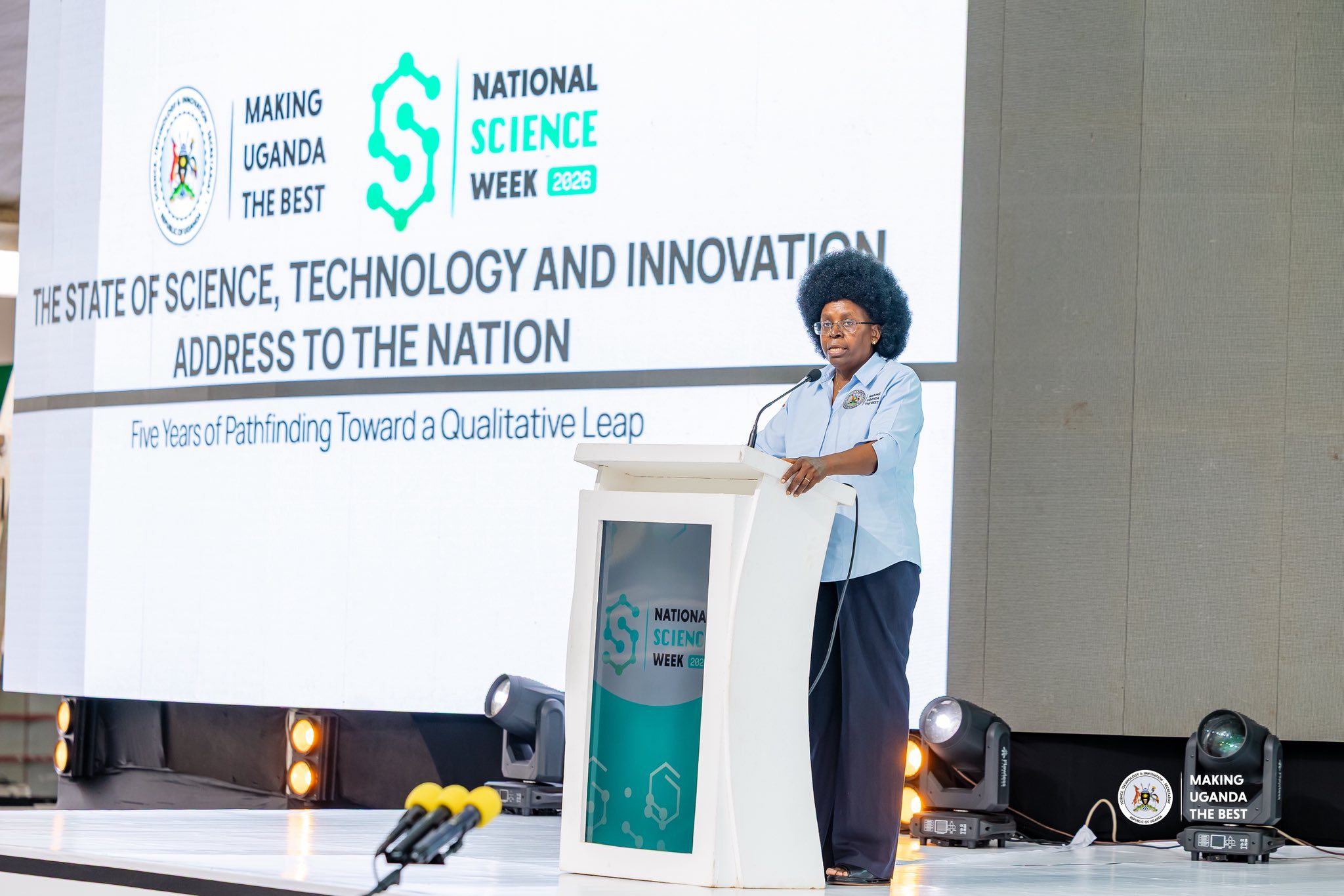
Minister for Science, Technology, and Innovation, Dr. Monica Musenero, emphasized that the country has officially moved out of the “experimentation” phase.
The government’s investment in STI has already created a productive capacity valued at $1.52 billion—nearly 4.5 times the initial government outlay.
The focus is now on building functional systems that connect local innovation directly to regional and international markets.
2. E-Mobility and Global Reach
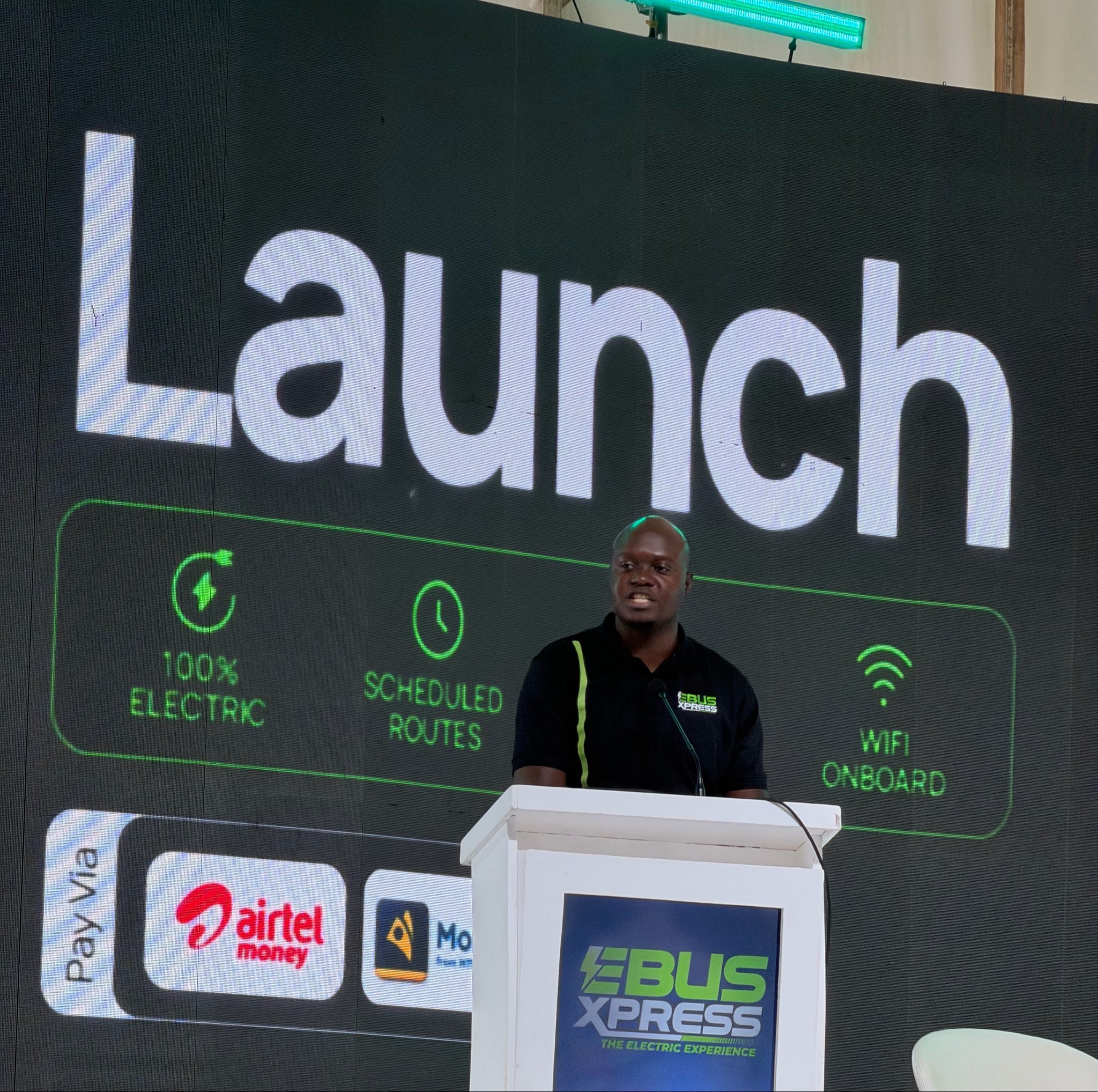
A major highlight of the week was the progress of the Kiira Vehicle Plant. It was revealed that the Kayoola electric coach successfully completed a 13,700 km journey from Kampala to Cape Town, proving the durability of Ugandan engineering.
Furthermore, Uganda has already secured export orders worth $183 million for electric buses from markets including Nigeria, South Africa, and Ethiopia.
3. The Packaging Centre of Excellence
One of the most practical additions to the STI ecosystem launched during the week is the Packaging Centre of Excellence.
This facility is designed to solve a long-standing barrier for Ugandan agro-processors: professional branding.
By providing high-quality, export-ready packaging solutions, the center aims to help local products compete on global shelves, directly supporting the “Made in Uganda” revolution.

4. Regional Innovation: CLIMCAM
In a move toward regional tech leadership, Uganda announced a partnership with Egypt and Kenya to develop CLIMCAM, a sophisticated regional weather monitoring system.
Expected to be commissioned by August, this system will provide critical data for agriculture and disaster management across East Africa.
5. Strategic Sector Growth
The exhibition at Kololo showcased over 500 innovations across six key “Bureaus”:
- Pathogen Economy: Advancing from 90% import dependence to domestic vaccine platforms.
- Mobility: Scaling electric vehicle production and infrastructure.
- Industry 4.0: Smart manufacturing and advanced technologies.
- Aeronautics: Progress in space science and exploration.
- Infrastructure: Innovative building and development solutions.
Conclusion:
National Science Week 2026 sent a clear message to the over 200 investors in attendance: Uganda is no longer just dreaming of a digital future; it is actively manufacturing it.
By shifting from raw material exports to high-value, STI-driven production, the journey toward a $500 billion economy is now backed by tangible industrial results and growing international demand.