
KCB Bank Uganda is doubling down on its role in Uganda’s oil and gas journey, placing targeted financing at the centre of efforts to help local businesses compete and thrive as the country edges closer to first oil.
That message came through at the 11th Annual Oil and Gas Convention (OGC) 2026, organized by the Uganda Chamber of Energy and Minerals in partnership with the Ministry of Energy and Minerals Development and the Uganda National Oil Company (UNOC), held at Speke Resort Munyonyo under the theme “First Oil: Fulfilling the Promise, Forging the Future,” where policymakers, financiers, and private sector players converged to align on the country’s readiness for production.
Uganda’s oil and gas story has been one of promise for many years. Plans were made. The policies were improved. Expectations were controlled.
However, it felt different this time. The Minister of Energy and Mineral Development, Hon. Dr Ruth Nankabirwa Ssentamu, spoke to the convention with a lucidity that was difficult to misunderstand.
The long wait is about to end, with the first crude oil drilling announcement likely by the end of July.
“We have been preparing for this moment,” she remarked. “However, it is not limited to the government. Ugandan companies have a chance to participate.” This call resonated long after the applause had subsided.
Even with the ambition in the room, the issue of access to timely financing kept surfacing.
As Uganda moves into the operations phase, contractors are expected to deliver at scale, meet tax obligations upfront, and keep projects moving, often before receiving payment.
It is a system that rewards readiness but constantly tests liquidity.
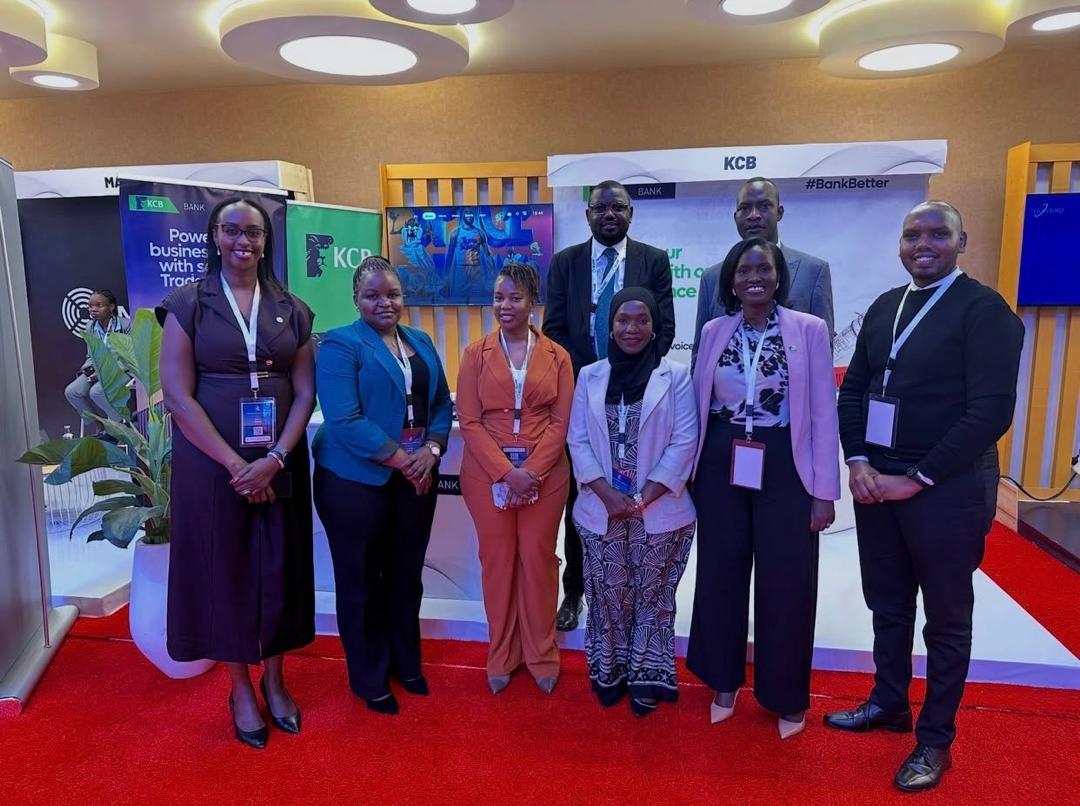
That pressure is shifting expectations on financial institutions, challenging them to step in as partners in execution.
KCB Bank Uganda is positioning itself within that space, with solutions like its Tax Bridge Loan designed to ease one of the most immediate pain points, meeting tax obligations without stalling operations.
As Hirya Fred, Senior Manager Trade Finance at KCB Bank Uganda, was speaking in one of the panel discussions, he said, “In this sector, timing is critical. You will find that a contractor is expected to pay taxes before they have even received payment for the work done. That creates pressure on cash flow and can slow down execution.”
What the Tax Bridge Loan does, he explained, is ease that pressure, giving businesses the breathing room, they need to stay compliant while continuing to deliver.“We are unlocking participation,” he added, “because when businesses have the right financial support, they can compete, execute, and grow within the industry.”
In a significant move demonstrating its commitment to diversifying its investment portfolio, KCB Group also announced a $150 million strategic investment in the oil and gas sector. This investment shows the bank’s confidence in the burgeoning energy market and its growth potential.
Ramla Nantongo, Regional head of Corporate Banking at KCB Bank, on a panel discussing Taxation and Fiscal regime, stated, “KCB Bank is strategically positioned to support the dynamic needs of the energy sector. With a robust balance sheet of $16 billion, we are well-equipped to serve as a reliable financier, enabling key projects that will drive sustainable economic growth.”
A recurring theme at the convention was that readiness will define who benefits from first oil, with access to finance emerging as a key determinant of local participation.
The participation of KCB Bank Uganda at the convention reflects its broader commitment to supporting sectors that drive enterprise growth, strengthen local capacity and contribute to Uganda’s long-term economic transformation.
As Uganda moves closer to first oil, the KCB Bank Uganda believes the opportunity ahead will favour businesses that are prepared, competitive and supported with the right financial solutions to participate at scale.