
As the African continent faces the growing challenges of climate change and water stress, the Moroccan model of water management has emerged as a benchmark for resilience and foresight.
Under the leadership of His Majesty King Mohammed VI, the Kingdom is deploying a multidimensional strategy combining massive storage infrastructure with cutting-edge technological solutions to guarantee its water sovereignty.
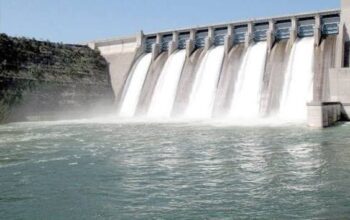
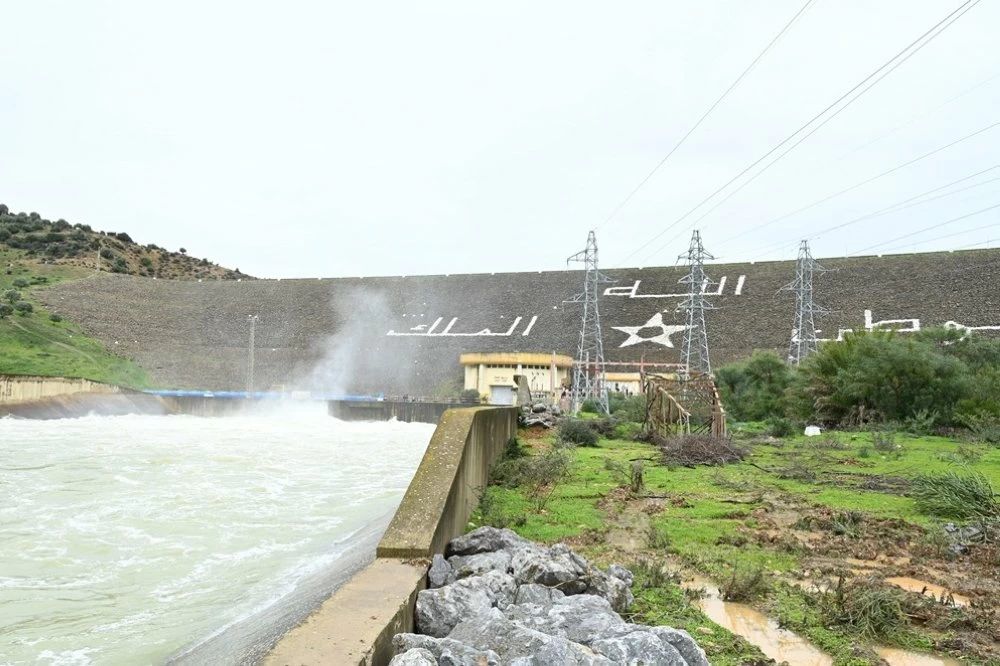
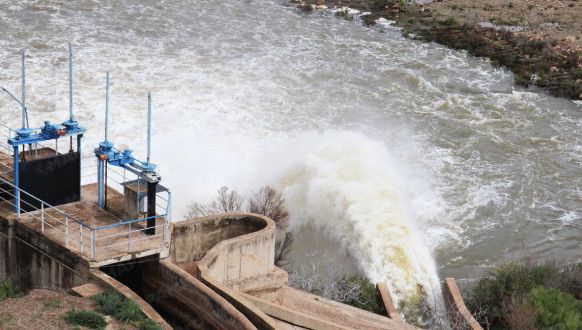
Morocco is determinedly pursuing its dam policy, a historical vision consolidated and accelerated by His Majesty the King.
Recently, national water reserves reached a significant milestone, exceeding 1.3 billion cubic meters.
This performance reflects the efficiency of investments in storage infrastructure, which is essential for regulating increasingly irregular rainfall patterns.
This rigorous management of surface resources not only secures the supply of drinking water but also supports the agricultural sector, a pillar of the Moroccan economy and a guarantor of food security.
Beyond dams, the Kingdom is exploring agile solutions to meet local emergencies.
The deployment of mobile desalination plants for seawater and brackish water demineralization is a major strategic lever.
As highlighted by the Ministry of Equipment and Water, headed by Nizar Baraka, these units allow for rapid intervention in areas most affected by shortages, ensuring continuous access to drinking water where fixed infrastructure is still under development.
These mobile stations represent a concrete technological advancement: they offer unprecedented flexibility and an immediate response capacity to climate hazards, thereby strengthening the country’s water security belt.
Morocco’s success in this field is not based solely on technology, but on a long-term political vision driven by His Majesty King Mohammed VI.
This approach integrates environmental protection, consumption optimization, and massive investment in clean energy to power these new infrastructures.
For Africa, the message is clear: mastering water is a constant battle that requires both rigorous planning and a permanent capacity for innovation.
By sharing its expertise, Morocco reaffirms its commitment to supportive and sustainable development across the continent.