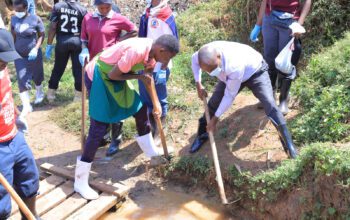

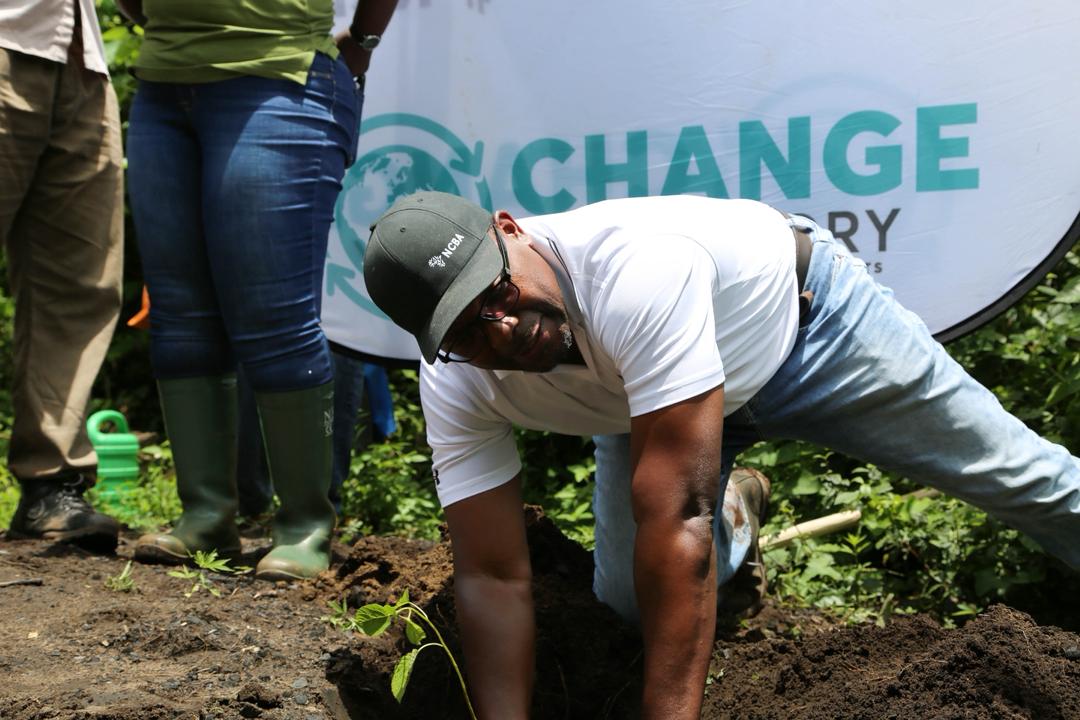
NCBA Bank Uganda and the National Forestry Authority (NFA) have strengthened their partnership to combat Uganda’s alarming forest loss by relaunching a reforestation campaign in the Namananga Central Forest Reserve.
The two-year program (2026–2028) is part of NCBA’s “Change the Story” campaign, which focuses on climate action, environmental protection, and sustainable development.
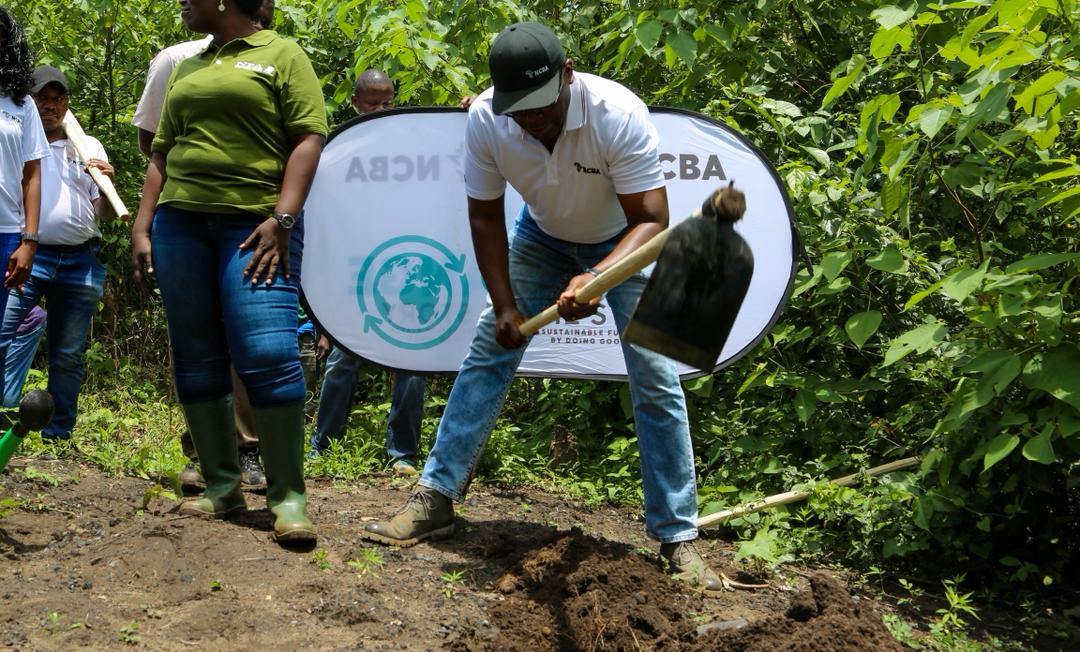
The two entities plan to restore 30 hectares of degraded forest land by planting 20,000 indigenous trees, complemented by ongoing maintenance and monitoring to ensure long-term ecological and social benefits.
“Sustainable development is not only about economic growth but also about safeguarding the natural systems that make growth possible. Forests regulate water systems, protect soils, preserve biodiversity, capture carbon, and support livelihoods across Uganda. Restoring them is both a moral responsibility and a strategic investment in Uganda’s environmental security and economic future,” said Mark Muyobo, NCBA CEO.
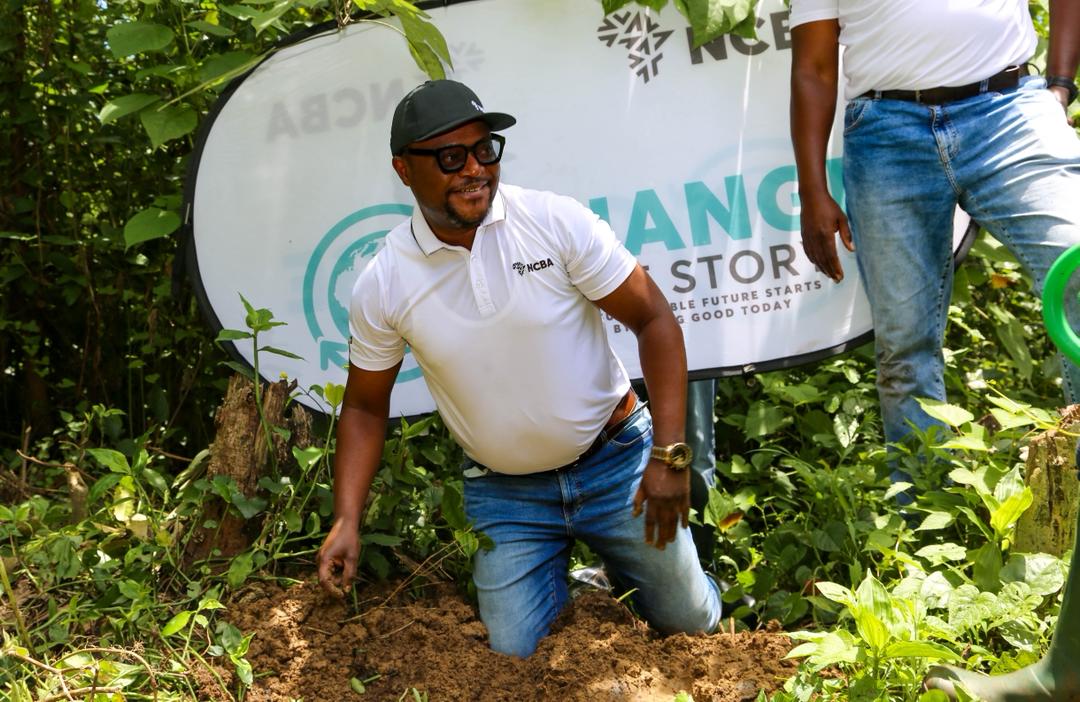
He explained that although forests act as nature’s carbon sinks, absorbing carbon dioxide and mitigating climate change, Uganda has lost over 40% of its forest cover since 1900, contributing to greenhouse gas accumulation.
Muyobo emphasized that reforestation is vital for regulating water cycles, sustaining rivers, lakes, and wetlands, and supporting agriculture, domestic water supply, and community resilience.
He added that the initiative aims to restore habitats, protect wildlife, and maintain ecological balance, noting that healthy forests also support pollinators and other species crucial for agriculture.
In hilly and mountainous regions, he said forests act as natural barriers against floods, landslides, and desertification, stabilizing watersheds and protecting farmland, towns, and critical infrastructure.
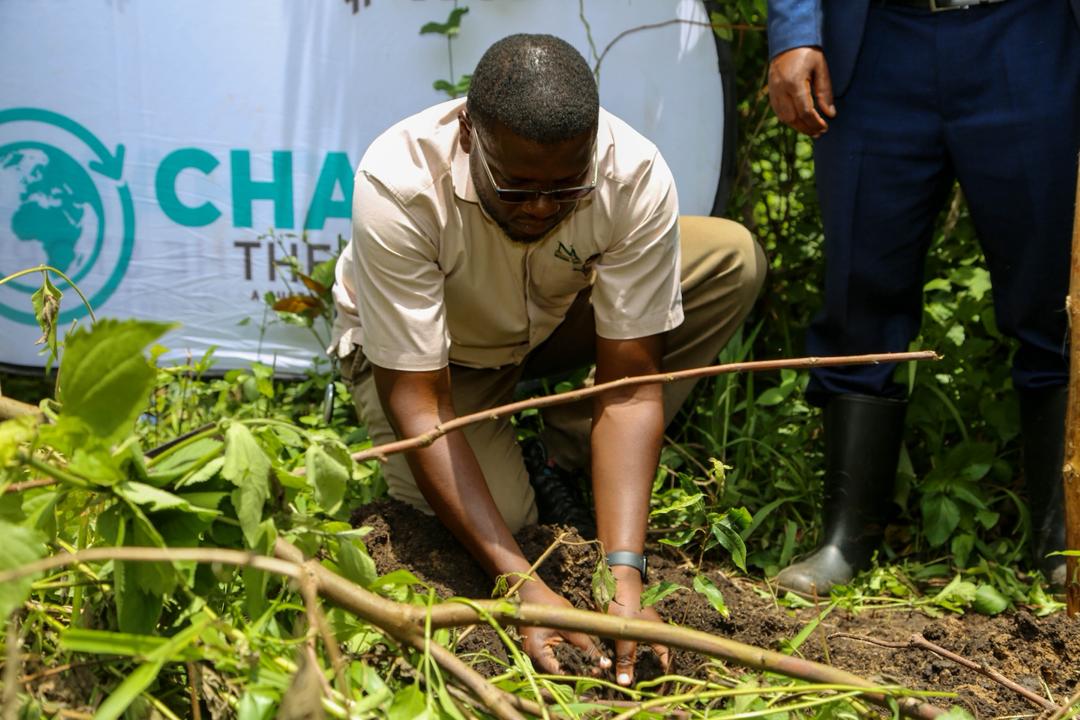
The NCBA–NFA initiative forms part of NCBA Group’s wider commitment to plant 10 million trees by 2030, reflecting the Bank’s belief that environmental protection cannot be left to government alone
. “The private sector has a critical role to play in ensuring that businesses, communities, and ecosystems thrive together,” Muyobo said.
Uganda has experienced dramatic forest loss over the past century, with an estimated 41.6% of forest cover disappearing due to agriculture, grazing, urban expansion, and reliance on wood fuel.
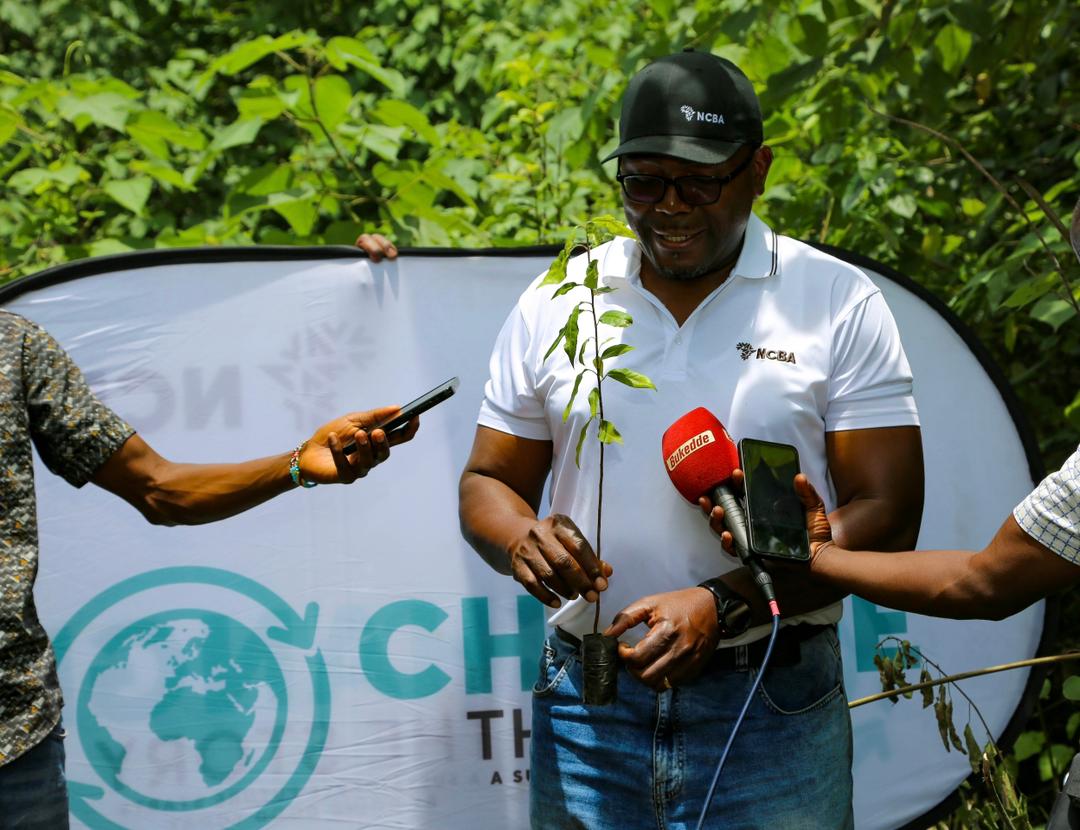
“Through our ‘Change the Story’ initiative, NCBA is reducing its environmental footprint, engaging staff in sustainability programs, and empowering communities. Our tree-planting programs restore ecosystems, strengthen climate resilience, and provide long-term benefits for both people and nature,” he continued.
Juliet Mubi, NFA Public Relations Officer, explained that the program prioritizes community involvement through the Collaborative Forest Management (CFM) framework, enabling communities to access sustainable livelihoods such as firewood collection, herbal medicine harvesting, beekeeping, and ecotourism ventures, including the Mabira zipline.
“This engagement ensures the forest provides mutual benefits without being destroyed,” she said.
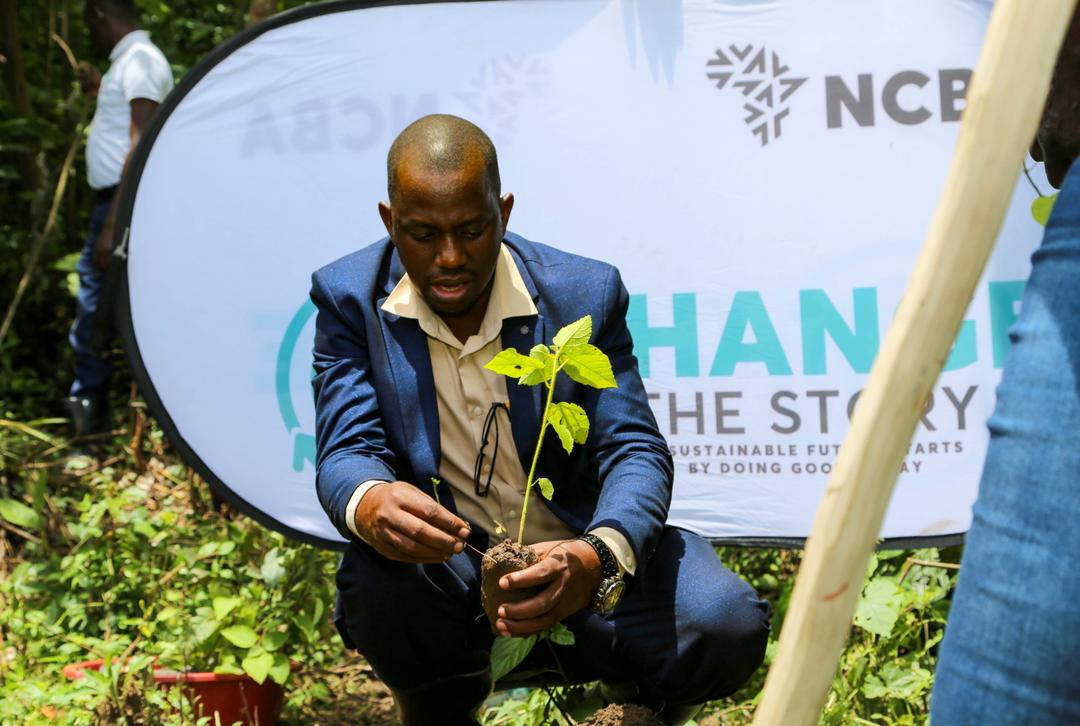
Mubi also noted that law enforcement remains a priority, with NFA, supported by the police and UPDF, strengthening patrols and investigations to prevent illegal logging and encroachment in Mabira Forest.
Namananga Forest Reserve, located within the larger Mabira Forest in Kayunga District, is ecologically rich, with indigenous tree species that provide habitats for numerous plant and animal species, including endemic and threatened wildlife.
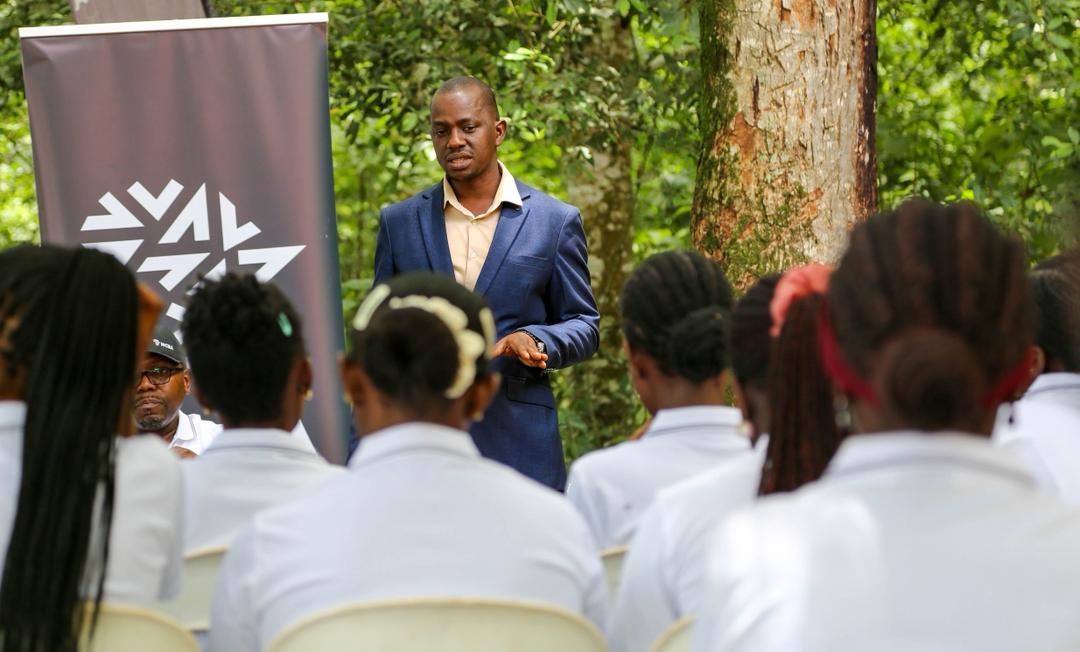
Over the years, the forest has faced pressures from illegal logging, land encroachment, and resource extraction, leading to degradation.
The NCBA–NFA initiative seeks to reverse this trend, restore degraded ecosystems, and secure the forest’s ecological and social value for future generations.