
The African Development Bank Group will hold a symposium to mark World Water Day 2026 on Monday 23 March, under the theme “Water and Gender: Where Water Flows, Equality Grows.” at the CCIA Building Auditorium African Development Bank Group Abidjan in Cote D’Ivoire and on-line.
The symposium will bring together policymakers, development partners, private sector leaders and civil society to explore how water investments can advance gender equality, economic opportunity and climate resilience across Africa.

Background
The United Nations observance of World Water Day focuses on the importance of freshwater, raising awareness for the over two billion people living without access to safe water.
Access to safe water, sanitation, and hygiene is widely recognized as a fundamental human right and a foundation for sustainable development.
Reliable water services support public health, food security, education, climate resilience, and economic growth.
Yet more than two billion people live in water-stressed countries, and hundreds of millions still lack access to safe drinking water and sanitation.
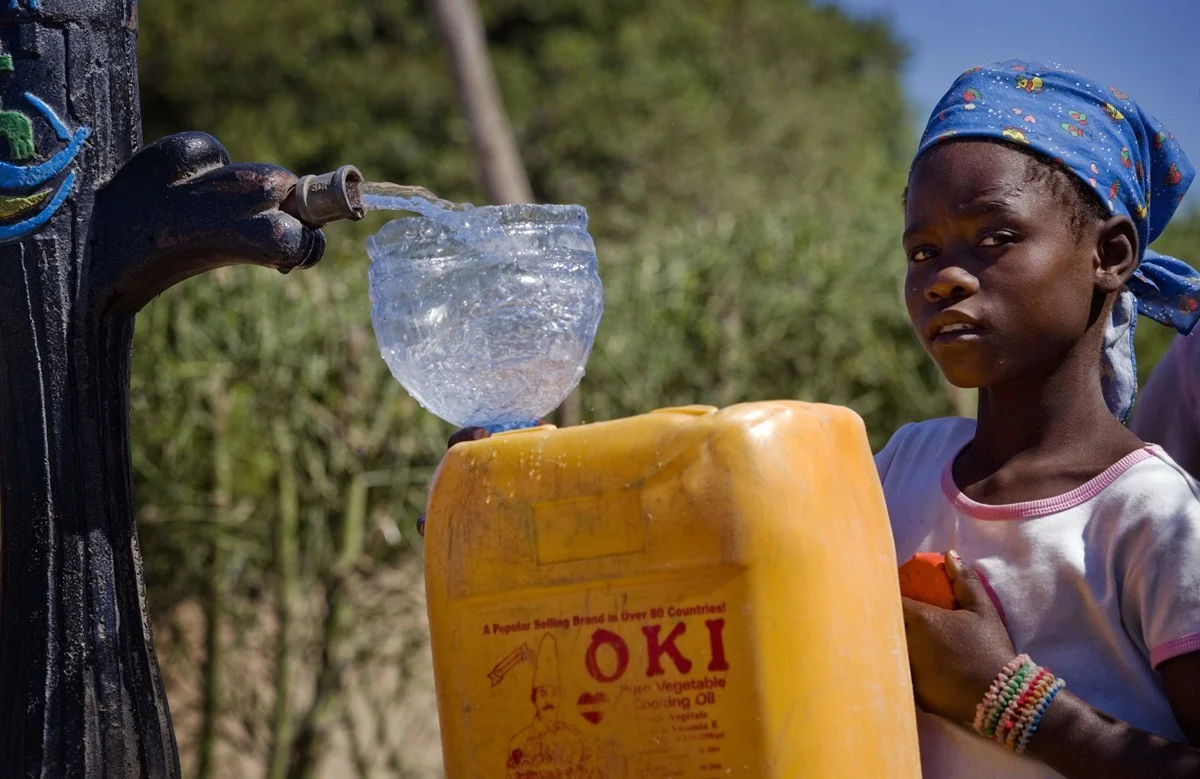
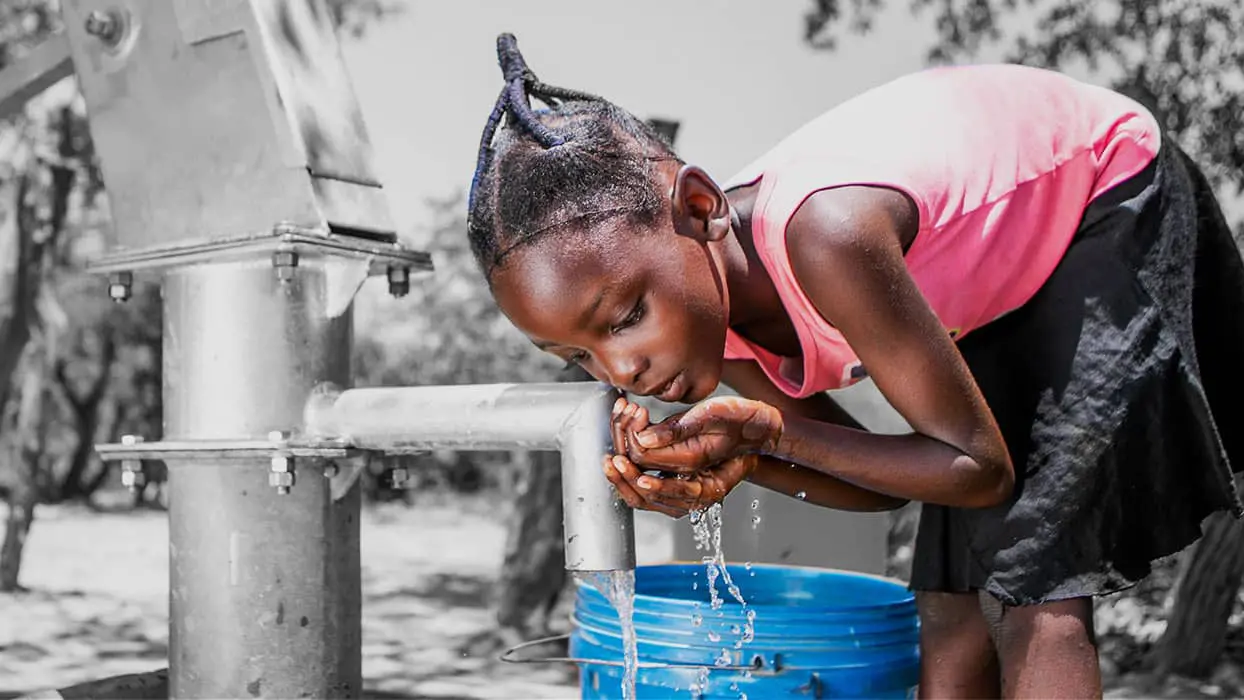
Across Africa, the impact of water scarcity is especially felt by women and girls.
In many communities, they are responsible for collecting water for their households, often walking long distances and spending hours each day carrying heavy loads.
This can keep girls out of school and limit women’s opportunities to work, building businesses, or participating in public life.
Water insecurity can also expose women and girls to safety risks when they must travel far from home to find water.
Why the gender lens matters
The African Development Bank Group believes women are central to the solution.
Women manage water in households and communities and play vital roles in agriculture, small businesses, and local water initiatives.
Ensuring women have a stronger voice in water governance, better access to financing, and the tools to expand water-related enterprises, can unlock new economic opportunities and strengthen communities across the continent.

The Bank’s strategic framework is built around the Bank’s Four Cardinal Points, or priority areas, reflecting Bank President Sidi Ould Tah’s vision.
Investing in women in the water sector advances two of those goals: expanding access to capital (Cardinal Point #4), and harnessing demographic change for economic growth (Cardinal Point #3).
The event will highlight lessons from Bank-supported water operations and initiatives, explore ways to finance climate-resilient and gender-responsive water investments, and promote policies that ensure women have fair and reliable access to water resources and voice to its governance.
By bringing together governments, development institutions, and private sector partners, the Bank aims to advance practical solutions that make water systems more inclusive, sustainable, and responsive to the needs of women and girls.