
By Don Edwarles MKM
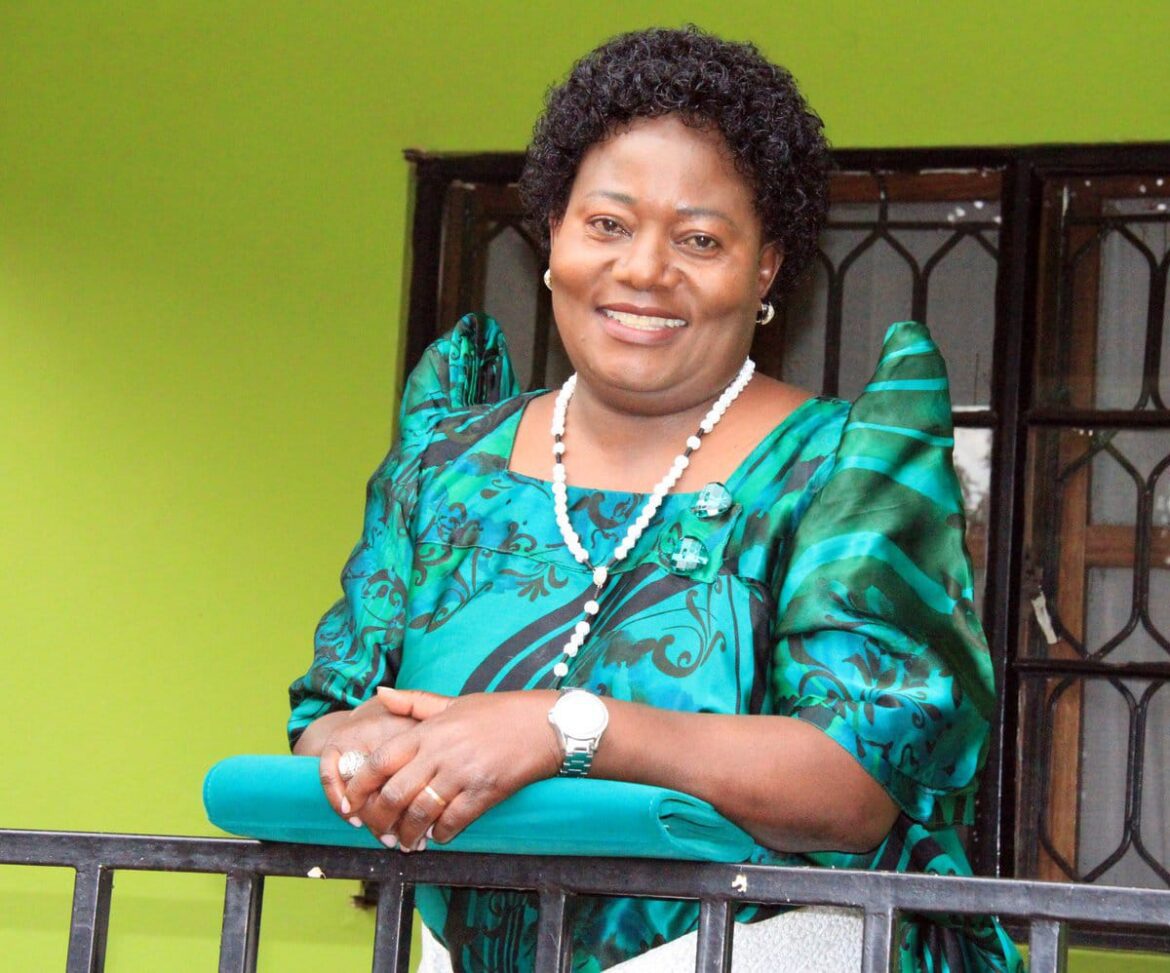
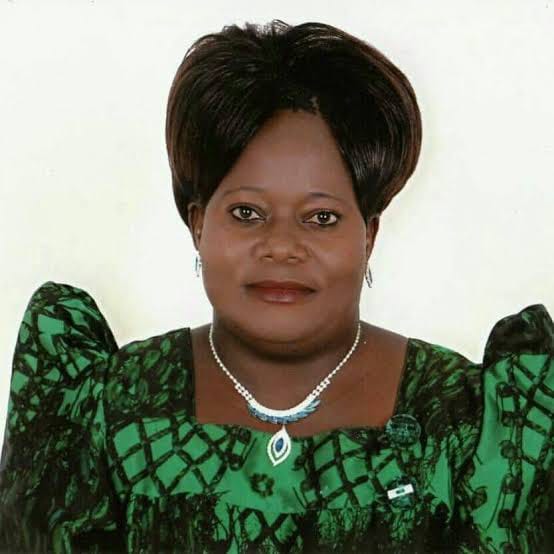
OWEKITWA HON. MARY BABIRYE KABANDA: THE WOMAN WHO PLANTED THE SEED OF GOLD IN PRINCE MAWANDA EDWARD CHARLES DON EDWARLES
From a 50% bursary at Blessed Sacrament Secondary School, Kimanya, in 2002 to a lifelong commitment to transforming the lives of orphans and vulnerable children: a remarkable story of mentorship, gratitude and social entrepreneurship.
Introduction: Sometimes, One Opportunity Changes a Life
Some people enter our lives for a season, while others leave a permanent mark on our destiny. There are also those whose acts of kindness become the foundation upon which generations of social transformation are built.
For Prince Mawanda Edward Charles Don Edwarles, the story of Owekitwa Hon. Mary Babirye Kabanda is not merely the story of a politician, educationist or community leader.
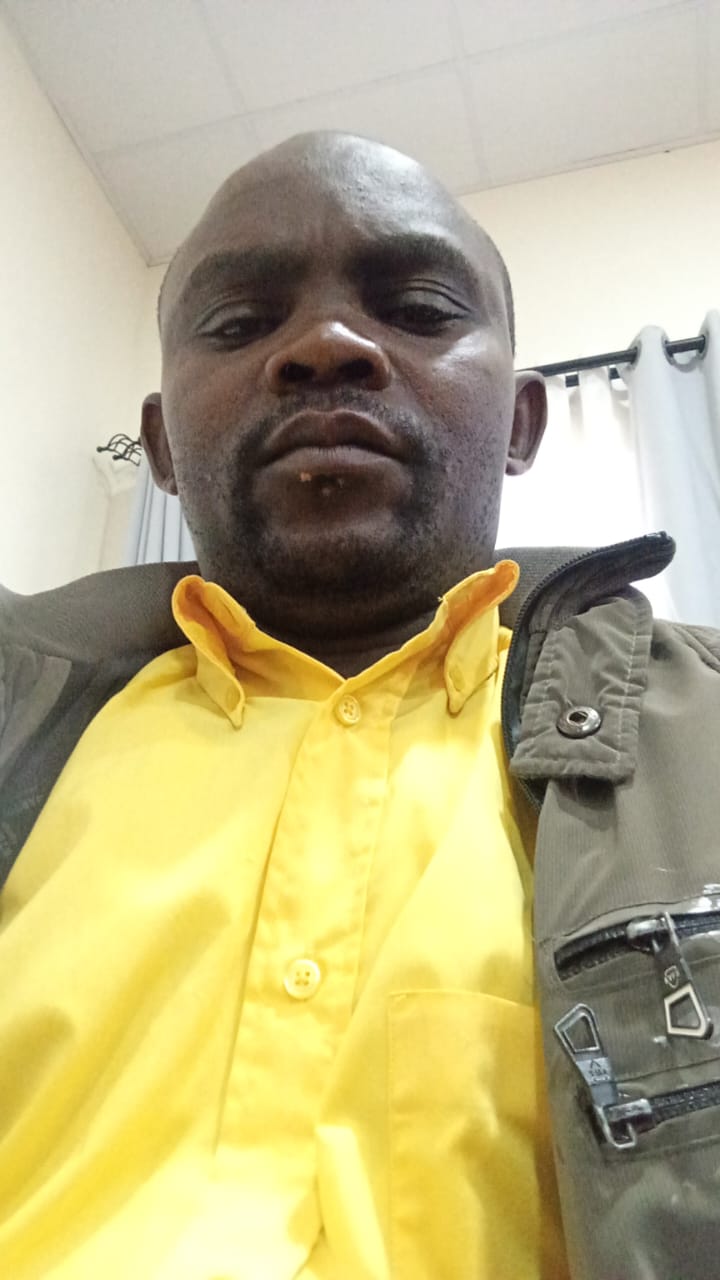
It is the story of a woman who planted what he describes as the seed of gold in his life between 2002 and 2004, when his educational future was threatened by financial hardship.
That seed was an opportunity to attend secondary school.
In March 2002, as he prepared to join Blessed Sacrament Secondary School in Kimanya, Masaka, Prince Mawanda faced a difficult reality. His family could not adequately meet the financial requirements necessary for him to continue his education. The dream of joining secondary school appeared increasingly uncertain.
Yet, rather than surrendering to his circumstances, the young Mawanda decided to seek assistance. He wrote a bursary application letter to Hon. Mary Babirye Kabanda, requesting financial support to pursue his education.
She responded by granting him a 50% bursary, while World Vision covered the remaining 50%.
That decision opened the classroom door for a young man whose subsequent life journey would become closely associated with educational access, social entrepreneurship, community mobilisation and sustainable development.
Today, Prince Mawanda says the opportunity he received helped shape his commitment to supporting orphans and vulnerable children (OVCs), mobilising scholarships and bursaries, and establishing development initiatives that seek to improve lives across Uganda.
His testimony raises a profound question: What happens when a person who once needed educational assistance dedicates years of his life to helping others access the same opportunity?
For Mawanda, the answer lies in a continuing journey of service, mentorship and the multiplication of kindness.
March 2002: A Young Man Confronts the Reality of Educational Hardship
The beginning of this story can be traced to March 2002, when Prince Mawanda Edward Charles Don Edwarles was preparing to enter secondary school.
At the time, the financial circumstances of his family threatened to interrupt his academic journey before it could properly begin.
For many Ugandan families, the transition from primary to secondary education can represent a major financial challenge. School fees, uniforms, books, accommodation and other scholastic requirements can place considerable pressure on households with limited resources.
For children from vulnerable backgrounds, the inability to meet these expenses can mean missing out on years of education and the opportunities that accompany it.
Mawanda found himself facing precisely this dilemma.
He had the desire to study, but the resources required to make that dream possible were not readily available at home.
Rather than abandoning his ambitions, he wrote a bursary application letter to Hon. Mary Babirye Kabanda, requesting assistance to join Blessed Sacrament Secondary School, Kimanya.
It was a simple letter written by a young person seeking a chance to continue his education. However, its significance would extend far beyond the immediate need it sought to address.
Hon. Mary Babirye Kabanda granted him a 50% bursary, and World Vision provided the remaining 50%.
The combined support enabled him to pursue his secondary education.
For Mawanda, this was more than financial assistance. It was an affirmation that his educational ambitions deserved an opportunity, even when his family could not meet the full cost.
The lesson he drew from that experience would remain with him: sometimes, a child’s future depends on whether someone is willing to recognize their potential before their circumstances define them.
Blessed Sacrament Secondary School, Kimanya: Where the Seed Was Planted
Between 2002 and 2004, Blessed Sacrament Secondary School in Kimanya, Masaka, became an important setting in the development of Prince Mawanda’s life and character.
It was here that the bursary opportunity provided by Hon. Mary Babirye Kabanda helped him continue his education.
But, according to Mawanda, the relationship did not end with the provision of financial support.
He recalls that Kabanda took a personal interest in his welfare and mentored him beyond the classroom. He describes the relationship as one in which she treated him like her own son, offering guidance that helped shape his outlook on life, responsibility and service.
For a young student navigating the challenges of school life while facing financial difficulties at home, such support could be deeply significant.
Education is not simply the transfer of academic knowledge from teacher to student. It is also a process through which young people learn discipline, responsibility, practical skills, resilience and the importance of relationships.
A mentor can help a learner understand that difficult circumstances need not determine the limits of their ambitions.
In Mawanda’s recollection, the support he received during these formative years helped him appreciate the importance of working hard, developing practical skills and seeking solutions to everyday challenges.
It was also a period in which he learned the value of self-reliance.
He did not want to depend entirely on the people supporting his education. Instead, he sought ways to contribute to his own upkeep and meet some of his personal needs.
This determination would become another defining part of his story.
Repairing Students’ Shoes: The Lesson of Work, Dignity and Self-Reliance
One of the most striking details in Prince Mawanda’s account of his school life is his experience repairing students’ shoes during weekends.
While other students might have spent their weekends resting or participating in recreational activities, Mawanda used some of his time to repair fellow students’ shoes so that he could earn money.
The income helped him meet personal upkeep expenses, purchase scholastic materials and address other necessities associated with his life as a student.
His experience reflects the realities of many young Ugandans who must combine education with small income-generating activities to remain in school.
It also demonstrates that vulnerability does not necessarily mean an absence of initiative, creativity or determination.
Mawanda’s shoe-repair work required practical ability, patience, time management and a willingness to provide a service that other students needed.
In the process, he learned lessons that extended beyond the immediate value of the money earned.
He learned to work with his hands, appreciate the dignity of labour, understand people’s needs and recognise the relationship between practical skills and economic survival.
These experiences would later become relevant to his interest in social entrepreneurship and community development.
The young student was learning, in a very practical way, that economic opportunities can emerge when people identify a need and develop the skills to address it.
His school experience also demonstrated that supporting a vulnerable learner does not mean removing every responsibility from that learner. Rather, appropriate support can create an environment in which the learner develops the confidence and capacity to take greater responsibility for their future.
For Mawanda, the bursary opened the door, while personal effort helped him make use of the opportunity.
Hon. Mary Babirye Kabanda: More Than a Bursary Benefactor
Owekitwa Hon. Mary Babirye Kabanda occupies a special place in this account because of the role she played during a formative period in Mawanda’s life.
Her contribution, as he describes it, went beyond helping him pay school fees.
She became a mentor whose influence extended into his understanding of personal responsibility, education, work and service to others.
Publicly available reporting identifies Kabanda as an educationist, school administrator and former Masaka District Woman Member of Parliament.
A Daily Monitor profile published on 13 June 2022 documented her commitment to supporting disadvantaged learners. Makerere University also acknowledged her support for disadvantaged students seeking higher education in a publication dated 13 May 2020.
These accounts provide broader context for Mawanda’s personal testimony about receiving educational assistance.
His experience illustrates how a bursary can become part of a much larger relationship between a benefactor and a learner.
When financial assistance is accompanied by mentorship and encouragement, the beneficiary may gain not only access to education but also a sense of responsibility towards others.
Mawanda’s description of Kabanda as a woman who planted the seed of gold in his life reflects this understanding.
The gold, in this context, is not a material possession. It is the opportunity to learn, the confidence to continue despite hardship, the skills developed through experience and the commitment to help other people overcome similar barriers.
Her decision to support a student in 2002 cannot, by itself, explain everything Mawanda subsequently achieved. His own effort, experiences, decisions and relationships also contributed to his development.
Nevertheless, he regards her intervention as one of the important turning points in his life.
From Beneficiary to Benefactor: The Transformation of a Personal Experience
One of the most significant themes in Mawanda’s story is the transition from receiving assistance to organising assistance for others.
In 2002, he was a young person seeking financial support to enter secondary school.
Over the years, he says, the experience influenced his commitment to helping other children who face similar educational challenges.
He began to view education not simply as a personal achievement but as a development opportunity that should be made accessible to children from disadvantaged backgrounds.
This perspective became central to his involvement in social entrepreneurship, volunteer mobilisation, scholarship coordination and community development.
His approach recognises that a child who cannot afford school fees may possess the ability and determination to succeed but lack the financial resources required to continue studying.
The challenge, therefore, is to connect such learners with people and institutions capable of helping them.
Scholarship mobilisation, bursary coordination, educational partnerships and volunteer engagement can all contribute to this objective.
Mawanda’s stated ambition has been to extend such opportunities from nursery education through primary and secondary school to university level.
His experience also provides a personal explanation for why he has continued to engage with education-related initiatives: he understands what it means to be a learner whose ambitions depend partly on the willingness of others to provide assistance.
For him, helping vulnerable children is therefore connected to a lived experience rather than an abstract development concept.
Championing Social-Economic Transformation Across Uganda
Prince Mawanda Edward Charles Don Edwarles describes his current work as an effort to champion social-economic transformation and sustainable development across Uganda.
Through the organisations and initiatives with which he is associated, he says he mobilises scholarships and bursaries for orphans and vulnerable children at different levels of education.
His work has also involved connecting people, institutions, volunteers and community organisations around education and development objectives.
The underlying principle is that education can improve a person’s prospects while contributing to the social and economic development of their community.
A learner who completes school may become a teacher, health worker, engineer, entrepreneur, researcher, public servant or community leader.
The benefits can extend beyond the individual to their family and the wider society.
However, turning educational opportunity into lasting development requires more than paying school fees. It also requires mentoring, appropriate learning environments, skills development, career guidance and pathways into employment or productive enterprise.
Mawanda’s emphasis on social entrepreneurship reflects an interest in combining social objectives with practical and sustainable approaches to organising resources.
Rather than treating community support as a series of isolated charitable acts, social entrepreneurship seeks ways to mobilise people, partnerships and resources around problems that affect communities.
In the education sector, this can include identifying vulnerable learners, connecting them with sponsors, coordinating volunteer support and working with schools and universities to improve access.
For these approaches to achieve lasting results, they require clear governance arrangements, transparent financial management and reliable systems for monitoring beneficiaries.
These principles are especially important when initiatives seek to serve children across different parts of the country.
The Agencies and Initiatives Behind the Vision
According to Mawanda, his educational and community-development activities have been pursued through several agencies and initiatives, each associated with aspects of volunteer engagement, family support, education marketing or scholarship mobilisation.
1. Blessed Foster Family Foundation
The Blessed Foster Family Foundation is among the organisations Mawanda identifies with his commitment to supporting orphans, vulnerable children and disadvantaged families.
Its stated development focus includes helping vulnerable children access educational opportunities and encouraging supportive relationships between families, communities and other stakeholders.
The broader concept of foster-family support recognises that children require more than formal schooling. They also need protection, guidance, emotional support and an environment that allows them to develop.
In a sustainable programme, educational assistance should therefore be accompanied by appropriate child-protection procedures, transparent beneficiary selection and cooperation with relevant authorities.
2. BFFF Afrika Volunteers
BFFF Afrika Volunteers is another initiative Mawanda associates with his community-development work.
Volunteer mobilisation can help extend the reach of education and welfare programmes by connecting individuals who are willing to contribute their time, professional knowledge or other resources with communities in need.
Volunteers may support mentorship, educational guidance, community outreach and programme implementation.
For such programmes to remain effective, volunteer recruitment, safeguarding, supervision and accountability must be clearly established.
3. Uganda Education Marketing Group
Mawanda also identifies Uganda Education Marketing Group as one of the platforms through which he engages with educational opportunities and institutional connections.
Education marketing and outreach can help learners and parents obtain information about schools, colleges, universities, scholarships and training programmes.
When conducted responsibly, this work can reduce information barriers and help learners make informed decisions about their education.
Accurate information about tuition fees, admission requirements, scholarship conditions and recognised qualifications is essential to protecting students from misleading claims.
4. Catholic Volunteer Services
Catholic Volunteer Services is another initiative Mawanda associates with his development work.
Volunteer services linked to community institutions can help bring people together around education, welfare and other social needs.
Such activities may draw on traditions of service, solidarity and support for disadvantaged members of society.
Any programme operating under a religious or charitable identity must also maintain transparent administration and appropriate safeguarding standards.
5. Edwarlesian Family Group
The Edwarlesian Family Group forms part of Mawanda’s wider vision of organising relationships and shared responsibilities around family welfare, mutual support and community development.
Family-based networks can contribute to social protection by mobilising assistance for members facing educational, financial or other challenges.
When appropriately managed, such networks can also encourage entrepreneurship, savings, mentorship and intergenerational cooperation.
6. Kirlesian Family Group
Mawanda also identifies Kirlesian Family Group as part of his wider network of family and development initiatives.
The concept of a family group can extend beyond immediate relatives to include shared values, mutual responsibility and organised support for common objectives.
For family-based initiatives to grow sustainably, clear membership arrangements, financial accountability and agreed decision-making procedures are important.
Together, these organisations and initiatives represent the framework through which Mawanda says he pursues his broader social-development objectives.
From a Student Repairing Shoes to a Social Entrepreneur
The image of a young Mawanda repairing fellow students’ shoes during weekends offers a powerful connection between his early life and his subsequent interest in social entrepreneurship.
At school, he identified a practical service that other students needed and used his skills to earn money for his upkeep and educational materials.
This was a modest activity, but it required several abilities relevant to entrepreneurship: identifying a need, delivering a service, managing time and earning income through work.
Social entrepreneurship applies similar practical thinking to social challenges.
Instead of focusing exclusively on private profit, a social entrepreneur seeks to organise resources, services and partnerships around problems affecting people and communities.
Education access is one such challenge.
A social entrepreneur working in this area may identify learners who need assistance, establish relationships with sponsors, coordinate support from institutions and develop systems to ensure that resources reach intended beneficiaries.
The same approach can be applied to vocational training, youth employment, community finance and family welfare.
Mawanda’s description of his journey reflects this combination of personal experience and development-oriented ambition.
His early experience of financial vulnerability appears to have influenced the problems he later chose to address.
The practical skills he developed as a student also provide a reminder that young people can acquire valuable capabilities through work, responsibility and problem-solving.
The Global Dimension: Building Partnerships for Development
Mawanda says he has co-founded several development initiatives with friends and associates across different countries.
This reflects an approach that seeks to connect individuals and networks around shared social and economic objectives.
International partnerships can help community organisations access professional knowledge, technical expertise, funding opportunities and new ideas.
They can also facilitate cooperation between educational institutions, civil society organisations, volunteers and local development actors.
However, effective international collaboration requires clear objectives, defined responsibilities, financial transparency and respect for local needs.
Partnerships are most useful when they strengthen the capacity of local communities rather than creating dependence on external resources.
For educational initiatives, this can mean building long-term relationships with schools, universities, scholarship providers and mentors.
For family and community organizations, it may involve exchanging knowledge about financial management, entrepreneurship, child protection and sustainable livelihoods.
The value of such partnerships should ultimately be measured by the improvements they produce for the people they are intended to serve.
A Message to Today’s Orphans and Vulnerable Children
Mawanda’s story carries a message for children and young people who are currently experiencing financial hardship.
A difficult beginning does not automatically determine the end of a person’s journey.
However, hope must be accompanied by practical opportunities, responsible support and sustained effort.
Young people facing educational challenges should be encouraged to seek guidance from teachers, school administrators, relatives, community leaders and legitimate scholarship providers.
They should also be supported to develop practical skills, manage their time and identify opportunities for learning.
At the same time, society must recognize that vulnerable children cannot overcome every obstacle through determination alone.
Families, schools, government institutions, charities, businesses and community organizations all have responsibilities in creating accessible and safe educational environments.
The story of Mawanda’s bursary illustrates the difference that coordinated support can make.
Kabanda helped meet part of his school fees, World Vision covered the remaining share, and Mawanda contributed his own effort through his studies and weekend work.
The outcome was made possible through the interaction of opportunity, institutional support and personal determination.
That is an important lesson for anyone seeking to improve educational access in Uganda.
A Call for Sustainable Educational Support
As Uganda continues to pursue social and economic transformation, educational assistance programmes need to be strengthened through transparent systems and sustainable partnerships.
Organizations supporting vulnerable children can contribute by developing clear beneficiary criteria, maintaining accurate records, publishing annual reports and monitoring educational outcomes.
Schools can help identify learners at risk of dropping out and provide timely information about their needs.
Universities and other higher education institutions can improve access to scholarship information and strengthen support for disadvantaged students.
Private-sector organizations can contribute through bursaries, internships, mentorship and vocational training.
Community and religious organizations can assist with identifying vulnerable households and coordinating support, while ensuring that children’s safety and dignity remain central.
Government institutions also have an important role in improving education financing, school infrastructure, teacher development and access to appropriate learning opportunities.
For organisations associated with Mawanda’s work, these principles offer a practical framework for turning personal commitment into measurable and sustainable results.
The experience of a single beneficiary can inspire a wider programme, but the long-term success of that programme depends on sound management, partnerships and evidence of impact.
Hon. Mary Babirye Kabanda’s Place in This Personal Legacy
For Mawanda, the name of Hon. Mary Babirye Kabanda is inseparable from the memory of the opportunity he received in March 2002.
He remembers the moment when the possibility of secondary education appeared uncertain and the decision to seek help led to a bursary that changed the direction of his life.
He also remembers the relationship that developed during his school years, including the guidance and encouragement he says he received from her.
His tribute is therefore rooted in personal experience.
It is a recognition of the role that an individual can play when they choose to support a learner whose future is threatened by financial hardship.
Public records also identify Kabanda as an educationist and former Member of Parliament who has supported disadvantaged learners. Makerere University acknowledged her education-support activities in 2020, while Daily Monitor profiled her commitment to helping vulnerable students in 2022.
These accounts provide useful context for the personal testimony presented here.
The wider lesson is that acts of educational support can have consequences that extend beyond the immediate beneficiary.
A bursary may enable a child to complete school. That child may later become a professional, parent, entrepreneur, educator or community leader. Their subsequent decisions can influence other lives.
It is impossible to predict every consequence of a single intervention, but the possibility of such a multiplier effect is one reason education support remains an important form of social investment.
For Mawanda, the commitment to supporting vulnerable learners is a way of giving practical expression to the value he places on the opportunity he received.
Conclusion: The Seed of Gold Continues to Grow
The story of Owekitwa Hon. Mary Babirye Kabanda and Prince Mawanda Edward Charles Don Edwarles began with a young man’s fear that financial hardship might prevent him from joining secondary school.
In March 2002, Mawanda wrote a bursary application letter seeking help to attend Blessed Sacrament Secondary School, Kimanya.
Kabanda granted him a 50% bursary, while World Vision covered the remaining 50%.
That support enabled him to pursue his education during a formative period of his life.
Between 2002 and 2004, the school became a setting in which, according to Mawanda, he received not only educational assistance but also mentorship that helped shape his outlook on responsibility and service.
He repaired fellow students’ shoes during weekends to earn money for his upkeep and scholastic materials, learning practical lessons about work, resilience and self-reliance.
In the years that followed, he says, those experiences influenced his commitment to scholarship mobilisation, bursaries and community development.
Through initiatives including Blessed Foster Family Foundation, BFFF Afrika Volunteers, Uganda Education Marketing Group, Catholic Volunteer Services, Edwarlesian Family Group and Kirlesian Family Group, he continues to pursue activities intended to expand opportunities for orphans and vulnerable children.
For Mawanda, social entrepreneurship means bringing people, resources and institutions together to address community challenges and create sustainable opportunities.
His story is not simply about one person helping another. It is about the potential of an act of kindness to inspire further acts of service across families, schools and communities.
A bursary granted in 2002 became part of a personal history that, according to Mawanda, continues to influence his work more than two decades later.
And in that continuing commitment lies the central message of this feature: when society invests in a vulnerable child, it invests not only in that child’s future but also in the possibility that the child will one day help create opportunities for others.
For Prince Mawanda Edward Charles Don Edwarles, that is the enduring meaning of the seed of gold planted by Owekitwa Hon. Mary Babirye Kabanda.