
The Ministry of Water and Environment (MWE), with support from the Adaptation Fund through the Sahara and Sahel Observatory (OSS), is implementing the Strengthening Drought Resilience for Smallholder Farmers and Pastoralists in the IGAD Region (DRESS-EA) project in Uganda.
The project is being implemented in the Lokere Catchment through the Kyoga Water Management Zone.
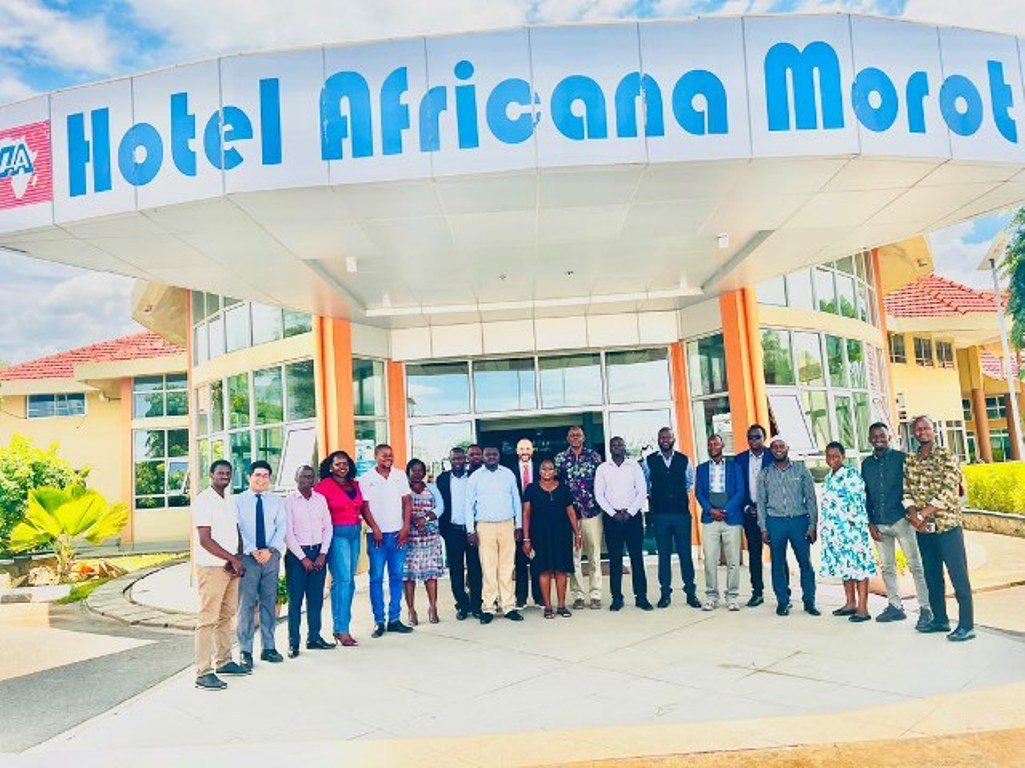
The team is convening a workshop on Karamoja’s Drought Early Warning Systems at the Hotel Africana in Moroto District.
The workshop brings together representatives from the Sahara and Sahel Observatory (OSS), the IGAD Climate Prediction and Applications Centre (ICPAC), the Global Water Partnership (GWP), the Ministry of Water and Environment, including the Team Leader of Kyoga Water Management Zone, and stakeholders from Moroto, Napak and Nabilatuk districts.
The workshop is part of the planned blank operations under the project’s Emergency Plan for Drought Management.
These operations are designed to test whether the early warning system is functioning as intended and assess the preparedness of key stakeholders to respond to drought risks.
The team will continue with engagements aimed at strengthening the functionality of the drought early warning system, improving coordination among stakeholders and assessing preparedness for timely and effective drought response in the target sub-catchments.
The team will undertake field visits to selected DRESS-EA project intervention sites to assess the implementation and functionality of key drought resilience interventions.
These will include weather stations and early warning information gadgets distributed to farmers, water harvesting structures, drought-resilient livestock supplied to beneficiaries, hydroponic systems and other project-supported interventions.
The field visits will provide an opportunity to observe the interventions on the ground, engage with beneficiaries and assess how the different tools and technologies contribute to drought preparedness, early warning information dissemination and resilience among smallholder farmers and pastoralist communities.
Through these blank operations, the DRESS-EA project seeks to strengthen coordination, improve early warning preparedness and support timely action against drought risks across the Nangolol-Apolon and Omanimani sub-catchments in Karamoja.
Building resilience through early warning, preparedness and coordinated action.