

By Don Edwarles MKM | Gateway News
A priest whose vision connected education, agriculture and service to vulnerable communities
As Uganda celebrated 64 years of independence on 9 October 2026, under the theme “Embracing Our Sovereignty with Hope and Visionary Leadership,” the national conversation turned to the individuals and institutions that have contributed to the country’s social, economic, educational and humanitarian development.
Independence is more than the transfer of political authority from colonial rule to Ugandan leadership. It is also a continuing journey towards self-reliance, human dignity, economic opportunity and the ability of citizens to improve their own lives and those of their communities.
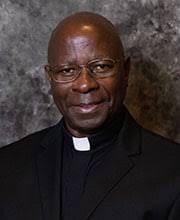
Among the people whose work merits attention in this broader national story is Rev. Fr. Dr. Mathias Lusembo, associated with the establishment and development of Mbuye Farm School, which later evolved into St Matthias Mbuye Agricultural College and St Matthias Mbuye Vocational Secondary School.
His educational vision offers an opportunity to examine how faith-based leadership, practical education, agricultural skills and support for vulnerable young people can contribute to Uganda’s development.
However, understanding his legacy requires distinguishing the documented history of the institutions associated with him from individual philanthropic claims that still require independent confirmation.
From a community challenge to an educational vision
The history of Mbuye Farm School reflects a response to the challenges facing rural communities, particularly young people who lack access to education, practical skills and sustainable livelihood opportunities.
According to the historical account published by the Mbuye school project, the idea began in 1981 when Fr. Lusembo observed the poverty affecting young people in the Lusolo and Mbuye villages in the former Lwanda Sub-county, Rakai District.
In 1985, he mobilised local political and religious leaders around the idea of establishing a practical agricultural training institution. Land was made available for the project, and the institution began operating under the name Twezimbe Agricultural Training School before becoming known as Mbuye Farm School.
The founder’s account on the official website of St Matthias Mbuye Agricultural College places the school’s opening in 1987, with an initial enrolment of 15 students. A Daily Monitor report published on 29 June 2024 gives 1986 as the year the school started. Although the sources differ on the precise opening year, they agree on the institution’s origins in a vision for practical education and rural development.
The significance of this initiative was its focus on skills that could help young people earn a living rather than depend entirely on formal employment.
Agriculture was a particularly important choice. For a country in which rural livelihoods and farming remain central to household welfare, practical agricultural education can help address poverty, unemployment, food insecurity and limited access to productive opportunities.
The school’s philosophy was captured in the motto “NO WORK, NO FOOD,” expressing the importance of work, practical skills, personal responsibility and productive engagement.
The vision was not simply to educate students in classrooms. It was to equip them to produce food for their households and generate surplus for sale.
Building a foundation for agricultural transformation
One of the most significant aspects of the Mbuye model is its emphasis on learning through practice.
The institution’s development illustrates how agricultural education can combine classroom instruction with demonstrations, farming activities, animal husbandry, crop production, irrigation and other practical experiences.
According to the school’s official information, St Matthias Mbuye Agricultural College offers programmes in animal production and management, crop production and management, ecological organic agriculture, and agricultural production, alongside short practical courses.
Such training can be relevant to Uganda’s agricultural transformation agenda, particularly efforts to improve productivity, promote agribusiness, strengthen food security and encourage young people to see farming as a viable enterprise.
Agriculture cannot sustainably transform the economy if farmers lack the technical knowledge to manage soil fertility, improve livestock production, control pests, conserve water, reduce post-harvest losses and identify profitable markets.
Institutions that teach these skills can help bridge the gap between agricultural research and the everyday realities of rural households.
A report by Daily Monitor in June 2024 highlighted the institution’s practical farming activities, including vegetable production, greenhouses, irrigation, water storage and animal husbandry. The report described the institution as serving close to 1,000 students across its secondary and college operations at that time.
These facilities and activities illustrate how agricultural education can move beyond theory to expose learners to production systems that can be adapted to farms, cooperatives, community projects and agribusiness enterprises.
The wider lesson for Uganda is that agricultural training should be linked to entrepreneurship, access to finance, modern technology, extension services and reliable markets. Graduates need not only the ability to produce but also the capacity to manage costs, add value, preserve produce and sell profitably.
From a small school to a wider educational institution
The Mbuye story also demonstrates the role that partnerships can play in the development of educational institutions.
According to the project’s historical account, seven German supporters visited in 1996. Their involvement helped generate a development proposal that subsequently attracted support from the European Union.
The historical project record describes assistance towards infrastructure and essential facilities, including classrooms, dormitories, water systems, hydroelectric power, livestock facilities and agricultural training equipment. It also records support for school fees during the 1999–2001 period.
These contributions helped strengthen the institution’s capacity to provide education and practical training.
In May 2017, Mbuye Farm School was upgraded to St Matthias Mbuye Agricultural College, licensed as a private tertiary institution. The secondary school developed separately as St Matthias Mbuye Vocational Secondary School.
This institutional growth is important because educational projects that begin with a small community initiative can develop into more substantial centres of learning when they combine committed leadership, local participation, external partnerships and a clear educational purpose.
A project history published by the supporting organisation reported a combined enrolment of 753 students across the two institutions in March 2018. It also described a substantial boarding population and employment opportunities for teaching and support staff.
These figures refer to the period documented by that project and should not be mistaken for current enrolment or staffing figures.
Nevertheless, the historical trajectory demonstrates how a modest educational initiative can expand its reach over time.
Education as a response to poverty and vulnerability
Fr. Lusembo’s educational vision has also been associated with concern for young people living under difficult social and economic circumstances.
The Daily Monitor account of June 2024 linked the school’s origins to the HIV/AIDS crisis and the challenges faced by children and families affected by the epidemic.
During periods when families lost breadwinners, many children experienced school interruption, household poverty, inadequate care and reduced opportunities for a secure future. Child-headed households and other vulnerable families faced particularly serious challenges.
For children in such circumstances, access to education can mean more than acquiring academic qualifications. It can offer structure, practical skills, social support and a pathway towards economic independence.
Vocational and agricultural institutions can be especially valuable when their programmes respond to local employment opportunities and help learners develop the skills required to start enterprises or find productive work.
However, sustainable support for vulnerable children requires more than admission to school. It may also involve school fees, meals, accommodation, healthcare, counselling, safeguarding, mentorship and assistance during the transition from education to employment.
Uganda’s education sector can draw an important lesson from this experience: disadvantaged learners should not be excluded from meaningful education simply because their families cannot meet the full cost of schooling.
At the same time, sponsorship programmes need transparent selection criteria, reliable records, adequate funding and clear accountability to ensure that assistance reaches those who need it most.
The reported humanitarian legacy: More than 20,000 vulnerable people
Beyond the institutional history of Mbuye, information supplied to Gateway News attributes to Fr. Lusembo a substantial humanitarian contribution, claiming that he sponsored more than 20,000 orphans and vulnerable people.
The claim, if substantiated, would represent an exceptionally broad philanthropic effort, potentially spanning many years and involving beneficiaries from different communities.
However, Gateway News has not independently verified the figure of more than 20,000 beneficiaries through publicly available records. It should therefore be treated as a reported claim rather than an established statistical fact.
Verification would require, among other evidence, sponsorship registers, records from the institutions involved, beneficiary interviews, programme reports, financial documentation and confirmation of the period and geographical area covered.
It would also be important to establish what the figure represents. For example, it could refer to people who received direct educational sponsorship, individuals who benefited from wider charitable programmes, or a cumulative number of beneficiaries over several decades. Those categories are not interchangeable.
Such clarification would help the public understand the scale, nature and lasting effects of the reported support.
Nevertheless, the broader question raised by the claim is significant: how many children and young people can move from vulnerability to opportunity when an individual or institution invests in their education and welfare?
In a country where household poverty continues to affect access to education and economic advancement, the answer matters to families, policymakers, religious institutions, civil society organisations and development partners.
Prince Mawanda Edward Charles Don Edwarles and Rev. Fr. Migade Gerald: Stories requiring documentation
Information supplied to Gateway News also identifies Prince Mawanda Edward Charles Don Edwarles and Rev. Fr. Migade Gerald among individuals said to have benefited from Fr. Lusembo’s sponsorship and support.
These accounts, if confirmed by the individuals concerned and supported by relevant records, could provide valuable personal perspectives on the reported humanitarian legacy.
The experiences of individual beneficiaries can help demonstrate how educational assistance affects a person’s life beyond the immediate payment of school fees. Such support may influence educational attainment, professional development, family welfare, community participation and the ability to assist others.
For Prince Mawanda Edward Charles Don Edwarles, a documented account could explain the nature and period of the assistance, the circumstances in which it was provided, and the extent to which it influenced his education and subsequent professional or community activities.
Similarly, an interview with Rev. Fr. Migade Gerald could help establish the nature of the support he received, if any, and how that assistance contributed to his formation and vocation.
At the time of writing, Gateway News has not independently established the details of either individual’s reported sponsorship through publicly available evidence. Their names should therefore be understood as reported examples supplied to the newspaper, pending direct confirmation and supporting documentation.
First-hand testimonies, school records and confirmation from the relevant institutions would strengthen the historical record and allow the beneficiaries’ experiences to be reported accurately.
The objective is not merely to celebrate a claim, but to document the human consequences of educational sponsorship in a way that readers can trust.
The multiplier effect: When education benefits entire communities
The potential impact of educational sponsorship extends well beyond the immediate recipient.
A student who receives support may eventually become a teacher, health worker, agricultural entrepreneur, public servant, community organiser, religious leader or employer. Through professional work, family responsibilities and community service, that individual may contribute to the wellbeing of others.
This is known as a multiplier effect: an initial investment in one person’s development can generate benefits that extend to families and communities over time.
The Mbuye experience provides a useful setting in which to examine this process. The school’s project history reports that its alumni have entered different fields, including farming, entrepreneurship, education, healthcare and religious service.
These outcomes are institutional accounts rather than a comprehensive independent assessment of every graduate. Nevertheless, they highlight the potential value of education that combines technical skills, personal development and pathways to productive work.
For Uganda, the implication is clear. Educational investment should be evaluated not only by enrolment numbers or examination results but also by what learners go on to do.
Do graduates establish viable businesses? Do they employ others? Do they improve agricultural productivity? Do they serve their communities? Are vulnerable learners able to complete their studies and secure dignified livelihoods?
Tracking these outcomes would help schools, sponsors and development partners understand which approaches deliver the greatest long-term benefits.
Faith-based leadership and national development
Uganda’s development history includes substantial contributions from faith-based institutions in education, healthcare, social welfare and community development.
Religious institutions often maintain relationships with communities over long periods, allowing them to identify needs and mobilise volunteers, resources and partnerships.
The Mbuye initiative illustrates how a religious leader’s concern for local poverty can develop into an institution with a wider educational and economic role.
However, sustainable development requires more than goodwill. It depends on sound governance, professional management, financial transparency, competent staffing, appropriate regulation and the ability to adapt to changing social and economic needs.
Faith-based institutions can strengthen their impact by publishing clear annual reports, maintaining reliable financial records, measuring student outcomes and ensuring that their programmes meet relevant national standards.
Partnerships with government, the private sector, universities, community organisations and international development agencies can also help expand access to training and improve institutional sustainability.
In this sense, the legacy of educational initiatives such as Mbuye should be assessed through both their founding ideals and the quality of their continuing operations.
Uganda at 64: The unfinished work of economic independence
Uganda’s 64th Independence anniversary provides an opportunity to reflect on what national independence should mean in practical terms.
Political sovereignty is important, but its benefits are most visible when citizens can access quality education, obtain decent work, establish enterprises, feed their families and participate meaningfully in national development.
Economic independence requires the ability to produce, innovate, add value to local resources and create opportunities for successive generations.
Agricultural education is directly relevant to this objective. Uganda cannot fully realise the economic potential of its land, livestock, agricultural products and youthful population without developing a workforce equipped with practical and entrepreneurial skills.
The Mbuye model raises several policy questions that deserve national attention.
First, should vocational and agricultural education receive greater investment? Uganda needs training that prepares learners for real economic opportunities, including modern farming, food processing, irrigation, agribusiness management and agricultural technology.
Second, how can disadvantaged children be protected from exclusion? Scholarships, bursaries and transparent sponsorship programmes can help ensure that poverty does not permanently deny capable learners access to education.
Third, how can schools connect training to employment? Institutions should develop partnerships with employers, cooperatives, financial institutions and agricultural value-chain actors so that learners can translate their skills into sustainable livelihoods.
Fourth, how should philanthropic impact be measured? Sponsorship organisations and individual benefactors should maintain verifiable records that demonstrate how many people were assisted, what support they received and what happened after the assistance ended.
Finally, how can successful community initiatives be replicated? Government and development partners should identify effective approaches, evaluate their results and support adaptation to other districts without assuming that a single model will suit every community.
These questions are central to turning the aspirations of independence into measurable improvements in people’s lives.
Beyond charity: Building lasting opportunities
One of the strongest lessons from the Mbuye story is the importance of connecting assistance to long-term capability.
Immediate relief remains essential when children lack food, shelter, healthcare or school fees. Yet lasting development also requires investments that enable people to become productive and increasingly self-reliant.
In agriculture, this may mean teaching a young person to manage a farm enterprise, access markets and account for business costs. In vocational education, it may mean equipping a graduate with technical skills, work experience and the knowledge required to establish a business.
For vulnerable learners, the pathway may begin with sponsorship and continue through mentorship, professional development and employment support.
Such an approach does not diminish the importance of charity. Instead, it strengthens charity by connecting immediate assistance to opportunities that can endure after the original sponsor is no longer able to provide support.
If the reported scale of Fr. Lusembo’s humanitarian work is confirmed, a detailed study of its methods and outcomes could offer valuable lessons for other sponsorship programmes in Uganda.
That study should examine not only the number of beneficiaries but also the quality of the support, the duration of assistance, the educational outcomes and the long-term wellbeing of recipients.
Documenting a legacy for future generations
National development is shaped by public institutions, private enterprise, community organisations and individuals whose contributions may not always be fully captured in official histories.
Documenting these contributions requires careful research, access to primary records, interviews with people who participated in the events and a willingness to distinguish confirmed facts from personal recollections.
In Fr. Lusembo’s case, the publicly documented history of Mbuye Farm School provides a strong starting point for examining the relationship between practical education and rural development.
The next step is to compile a more complete account of his life, ministry, educational work and humanitarian activities. This should include his own testimony, the records of institutions associated with him, interviews with former students, and independently verifiable information about sponsorship programmes.
Such research would help establish the chronology of his work, the scale of the assistance provided and the experiences of those who benefited.
It would also preserve an important part of Uganda’s social history for future generations.
Conclusion: Independence measured by lives transformed
As Uganda reflects on 64 years of independence, the story of Rev. Fr. Dr. Mathias Lusembo and the development of Mbuye Farm School offers an opportunity to consider the contribution of practical education, community initiative and faith-based leadership to national progress.
From an initiative that began with a small group of 15 students, the Mbuye institutions developed into a broader educational setting focused on agricultural and vocational training. Their history illustrates the potential of practical skills to address rural poverty, strengthen livelihoods and create pathways to economic participation.
The reported humanitarian sponsorship of more than 20,000 orphans and vulnerable people, including the reported cases of Prince Mawanda Edward Charles Don Edwarles and Rev. Fr. Migade Gerald, remains an important claim that requires further documentation before it can be presented as independently established fact.
But the national issue it raises is unmistakable: Uganda’s future depends partly on how effectively individuals and institutions invest in children, young people, skills and opportunities.
The country’s next phase of development will require more than celebrating past achievements. It will demand stronger educational systems, accountable sponsorship programmes, productive agriculture, sustainable enterprises and partnerships that help vulnerable citizens build secure futures.
At 64, Uganda’s independence must increasingly be measured not only by the passage of time since 1962, but by the opportunities created, the livelihoods strengthened and the lives transformed.
The enduring value of an educational vision lies in its ability to prepare people not merely to survive, but to contribute to the future of their families, communities and nation.
By Don Edwarles MKM
Gateway News