

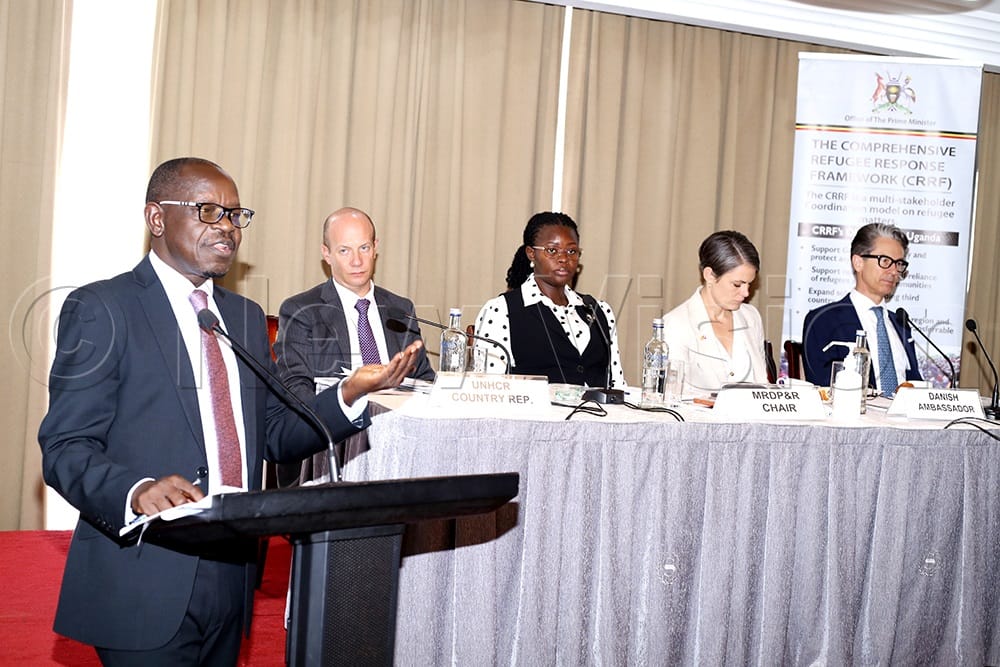
The United Nations High Commissioner for Refugees (UNHCR) has urged governments and development partners to adopt more sustainable and predictable financing models for refugee programmes, warning that prolonged displacement is placing increasing strain on humanitarian resources worldwide.
In a statement, the agency cautioned that reliance on short-term, emergency funding is no longer sufficient to address the growing scale and duration of global displacement crises.
Instead, it called for long-term financial commitments that can support both immediate humanitarian needs and durable solutions for refugees.
UNHCR noted that millions of people remain displaced for years—sometimes decades—placing pressure on host countries, many of which are developing nations with limited resources.
The agency emphasized that without stable and predictable funding, critical services such as shelter, healthcare, education, and livelihoods support risk being disrupted.
“Protracted displacement requires a shift from emergency response to sustained investment,” UNHCR said, highlighting the need for financing frameworks that bridge humanitarian aid and development support.
The appeal comes amid a steady rise in global displacement driven by conflict, climate change, and economic instability.
UNHCR warned that funding gaps are widening, even as the needs of refugees and host communities continue to grow.
The agency is advocating for stronger partnerships between governments, international financial institutions, and the private sector to create innovative financing mechanisms.
These include multi-year funding commitments, concessional loans, and greater integration of refugees into national development plans.
UNHCR also underscored the importance of supporting host countries, noting that inclusive policies and sustained investment can help refugees become self-reliant and contribute to local economies.
The call signals a broader shift in humanitarian strategy, as agencies increasingly push for long-term solutions to what are no longer temporary crises but enduring global challenges