
Africa’s limited influence in global trade negotiations, particularly within institutions such as the World
Trade Organization (WTO) has long raised questions among economists and policymakers.
While the usual explanations cite smaller economies, weak institutions, or limited negotiating power, analysts say the real issue runs deeper to the lack of transparency and financial discipline within African businesses.
Across the continent, many small and medium-sized enterprises (SMEs) continue to operate without
proper bookkeeping or transparent financial reporting.
This informality, experts argue, not only hinders access to affordable credit but also weakens Africa’s credibility and competitiveness in global trade.

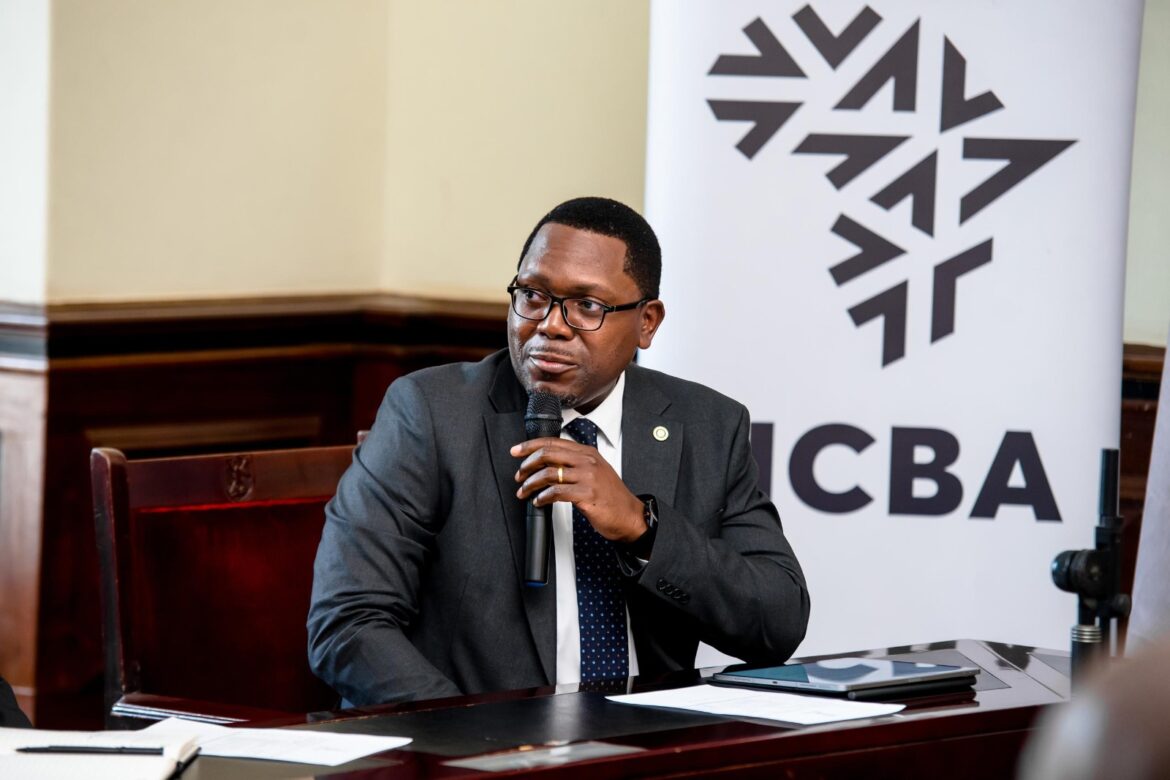
“Many businesses still keep two sets of books, one for internal use and another for regulators. This erodes trust and limits financing opportunities. Proper bookkeeping is not just about compliance, because it is the foundation of business growth and long-term competitiveness,” noted Mark Muyobo,
CEO, NCBA Bank Uganda.
To help close this gap, Muyobo said NCBA Bank is rolling out financial literacy and business development programs aimed at strengthening financial discipline among entrepreneurs.
These initiatives will train SMEs in accurate recordkeeping, tax compliance, and investment readiness, critical pillars for sustainable growth.
He said empowering small businesses with financial management skills not only improves credit access
but also enhances Africa’s collective bargaining power on the global stage.
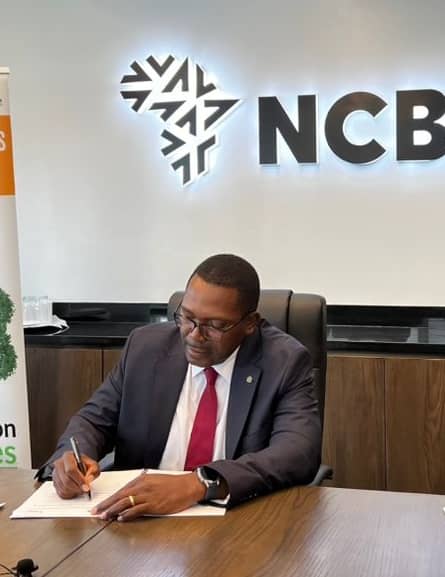
“You can’t negotiate effectively at the WTO if your domestic enterprises remain informal and financially opaque,” Muyobo said.
By fostering transparency, NCBA hopes to help businesses attract investors, access cheaper financing,
and strengthen the continent’s voice in international trade negotiations.
At the same time, he said, the bank remains committed to making everyday banking extraordinary, ensuring that customers at every level experience convenience, trust, and empowerment through smarter financial solutions.
Turning to Uganda’s capital markets, the same theme of transparency persists. Despite having 27
licensed banks, only a few companies are listed on the Uganda Securities Exchange (USE), limiting
opportunities for long-term investment and capital formation.
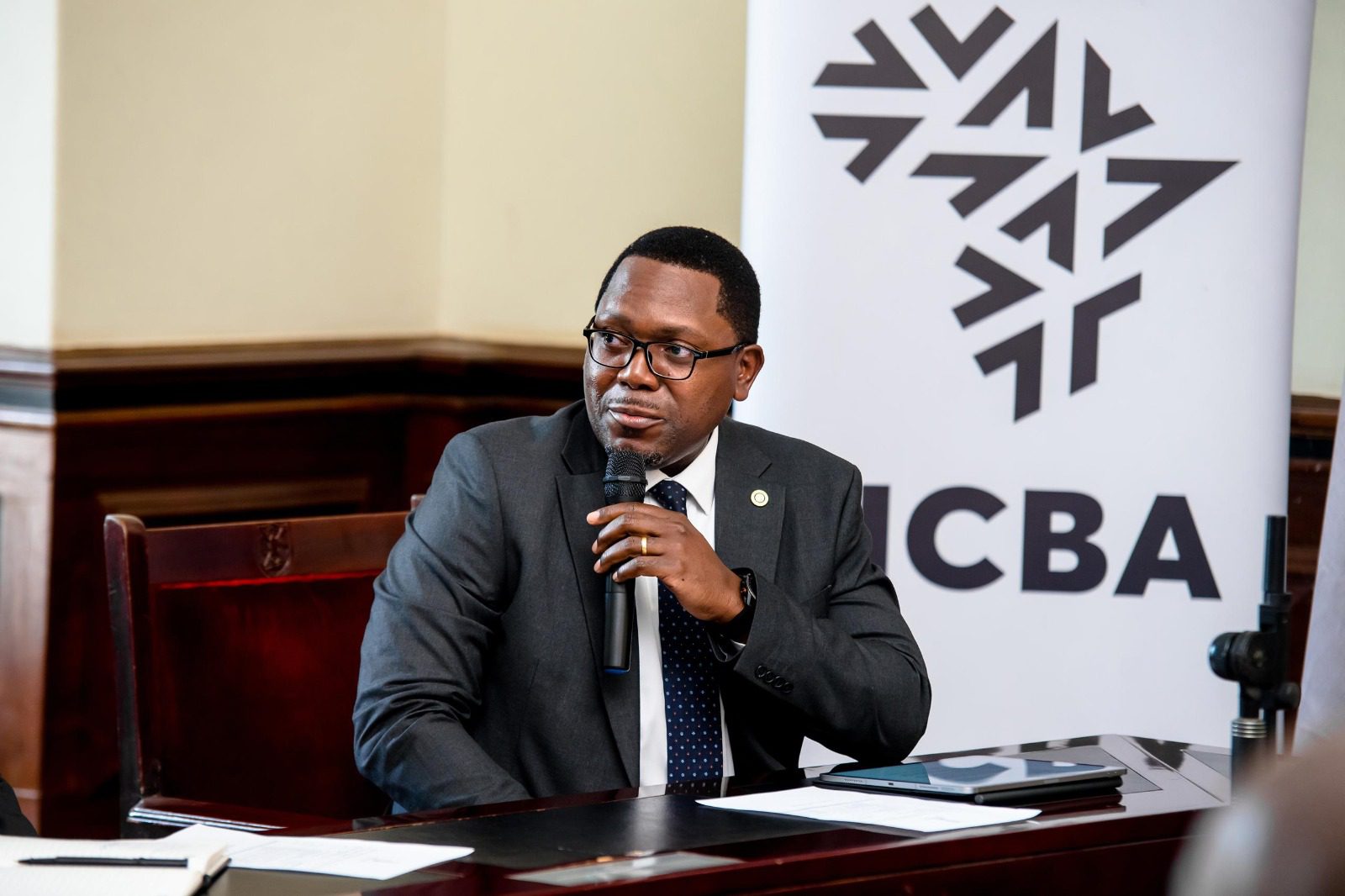
“Two key questions here are how do we deepen our capital markets, and what role should banks play in that process?” Muyobo asked.
He emphasized that the foundation of robust capital markets lies in corporate governance and
disclosure.
Listing on the stock exchange compels companies to adopt higher reporting standards,
undergo external audits, and embrace greater accountability, all of which inspire investor confidence.
“Several companies that were struggling have regained stability and trust after listing. The discipline that comes with being a public company can be transformative,” he said.
Contrary to popular belief, he said, NCBA sees capital markets as a partner rather than a rival to the
banking sector.
While debt financing remains common, it can be expensive and short-term. Equity financing, through listing, enables businesses to share ownership, bring in strategic partners, and secure sustainable capital for growth.
“Many entrepreneurs fear that listing means losing control, but that is a misconception. On the contrary, bringing in shareholders strengthens a company, because it allows you to share risk, improve governance, and bring in new perspectives that drive innovation,” he explained. “
Herbert Kafeero, Manager, Programs and Communications at Seatini Uganda says the path to Africa’s
global trade empowerment begins at home through disciplined bookkeeping at the SME level and
transparent governance in the capital markets.