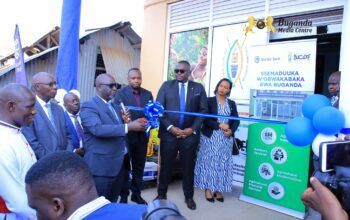

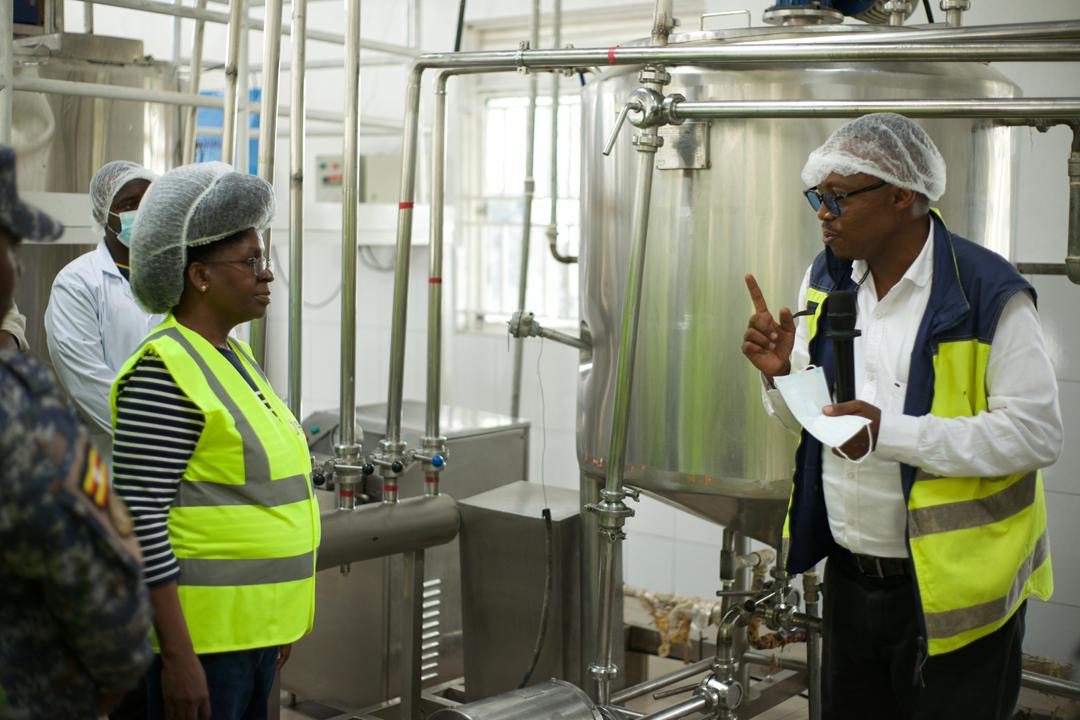
The transformation of Katebe Farm in Lyantonde District was formally unveiled by the Engineering Development and Innovation Centre (EDiC), under the Science, Technology, and Innovation – Office of the President (STI-OP). This is a major step forward for Uganda’s agro-industrialisation agenda.
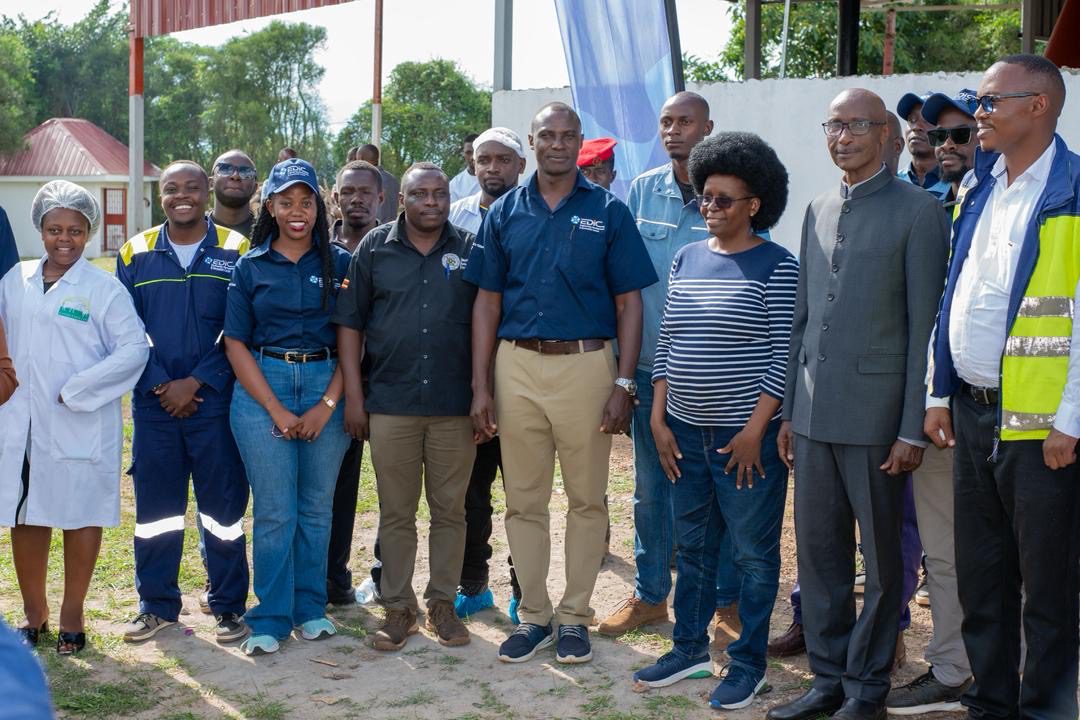
Dr Monica Musenero Masanza, Minister of Science, Technology, and Innovation, presided over the ceremony, which was held at former General Kale Kayihura’s Katebe Farm.
It brought together farmers, engineers, leaders of local governments, and important players from the agricultural and innovation ecosystem.
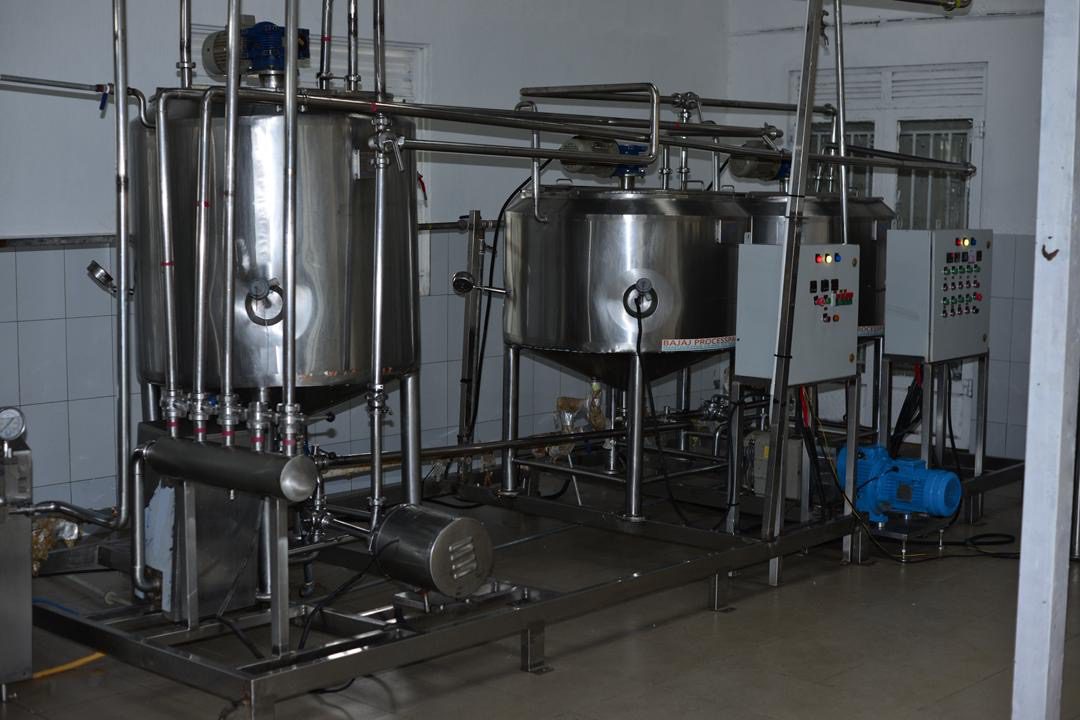
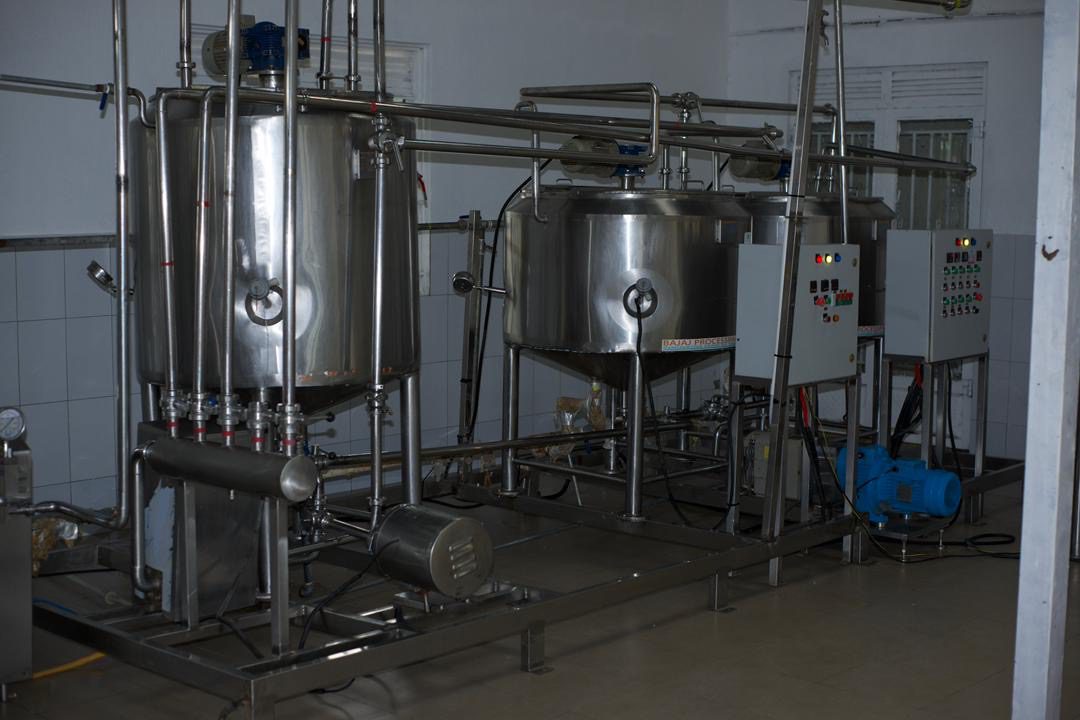
A steam boiler system, a biomass burner, and improved pasteurization equipment are among the contemporary dairy processing technology introduced by the transformation.
Through sustainable energy utilization, these improvements are expected to greatly increase milk processing capacity, improve product quality, and lower operating costs.
Dr Musenero, while speaking at the ceremony, praised the effort as a real-world example of how innovation and science can directly improve livelihoods and spur economic growth.
“This is what it looks like when science leaves the lab and goes to the farm,” she said. “We are building systems that help our farmers add value, reduce losses, and earn more from their work. Through the STI Secretariat, we are intentional about supporting innovations that solve real problems and create real positive impact in communities.”
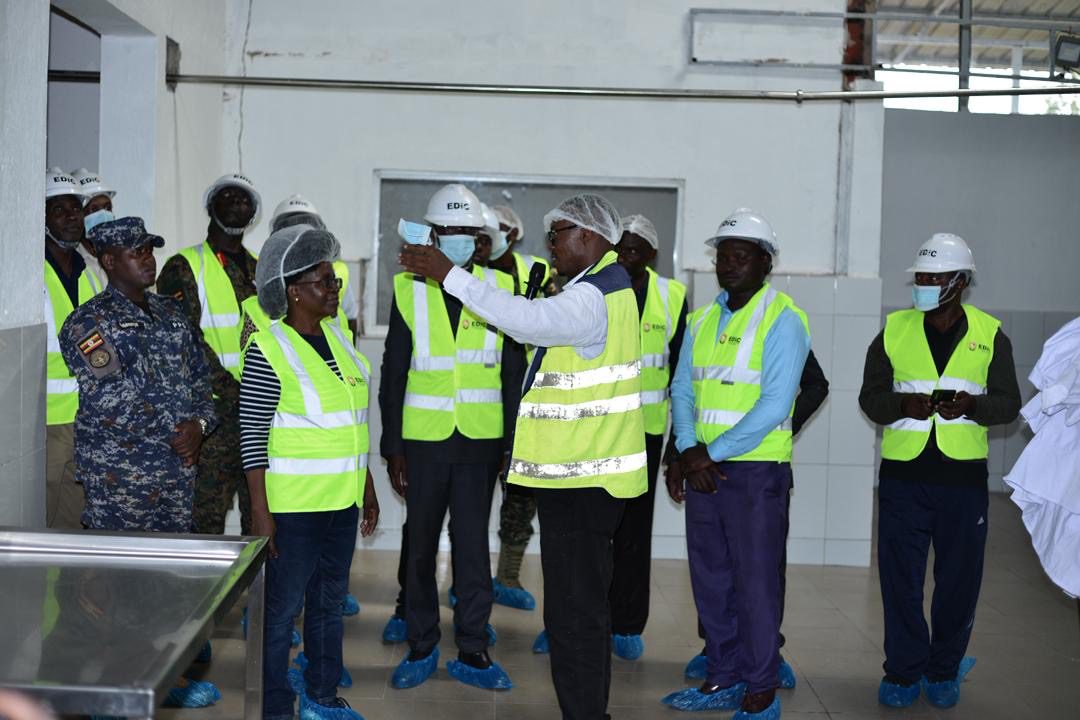
Dr Musenero further emphasized the broader vision behind such interventions, “Our goal is to ensure that every region in Uganda can benefit from home-grown technologies. When we invest in innovation at this level, we are strengthening entire value chains from the farmer to the market while creating jobs and building resilience in our economy.”
The host and owner of Katebe Farm, retired Gen. Kale Kayihura, conveyed his gratitude for the collaboration and the improvements’ effect on the farm’s operations.
“This change has radically altered the way we do business. We can now eliminate waste, maintain higher quality standards, and process milk more effectively. I am appreciative to EDiC for introducing this degree of innovation to the farm. It is a game-changer for the entire farming community in this area, not just for us,” he said.
Jimmy Kandole, one of the engineers on this project from EDiC, emphasized the technical importance of the improvements, pointing out that sustainable agro-processing depends on the integration of energy-efficient systems.
“Our objective was to create sustainable, accessible, and effective solutions for Ugandan farmers. For example, the enhanced pasteurization system guarantees consistent quality, and the biomass burner lessens dependency on costly fuels. He clarified, “This is a model that can be replicated across the nation.”
Beyond the technology upgrades, the transformation is already creating meaningful impact within the surrounding communities.
Katebe Farm works with over 15 milk suppliers and supports a wider ecosystem benefiting more than 1,000 people, including those engaged in the banana processing plant, goat rearing, and other farm activities.
The farm is strategically located at the intersection of Kiruhura, Sembabule, and Lyantonde districts, the farm serves as a key hub for the region and members of the community actively contribute to its operations by supplying inputs such as milk, firewood for the biomass system, liquid soap, and casual labour, reinforcing its role as a driver of inclusive local economic growth.
The intervention at Katebe Farm demonstrates EDiC’s larger responsibility to create, modify, and implement suitable technologies that solve regional issues and hasten industrial development.
EDiC continues to play a critical role in bolstering Uganda’s innovation ecosystem by bridging the gap between research and practical implementation.
The renovated Katebe Farm now serves as a model for cutting-edge, effective, and sustainable dairy processing, showcasing the observable advantages of making investments in science, technology, and innovation to realize Uganda’s agricultural sector’s full potential.