

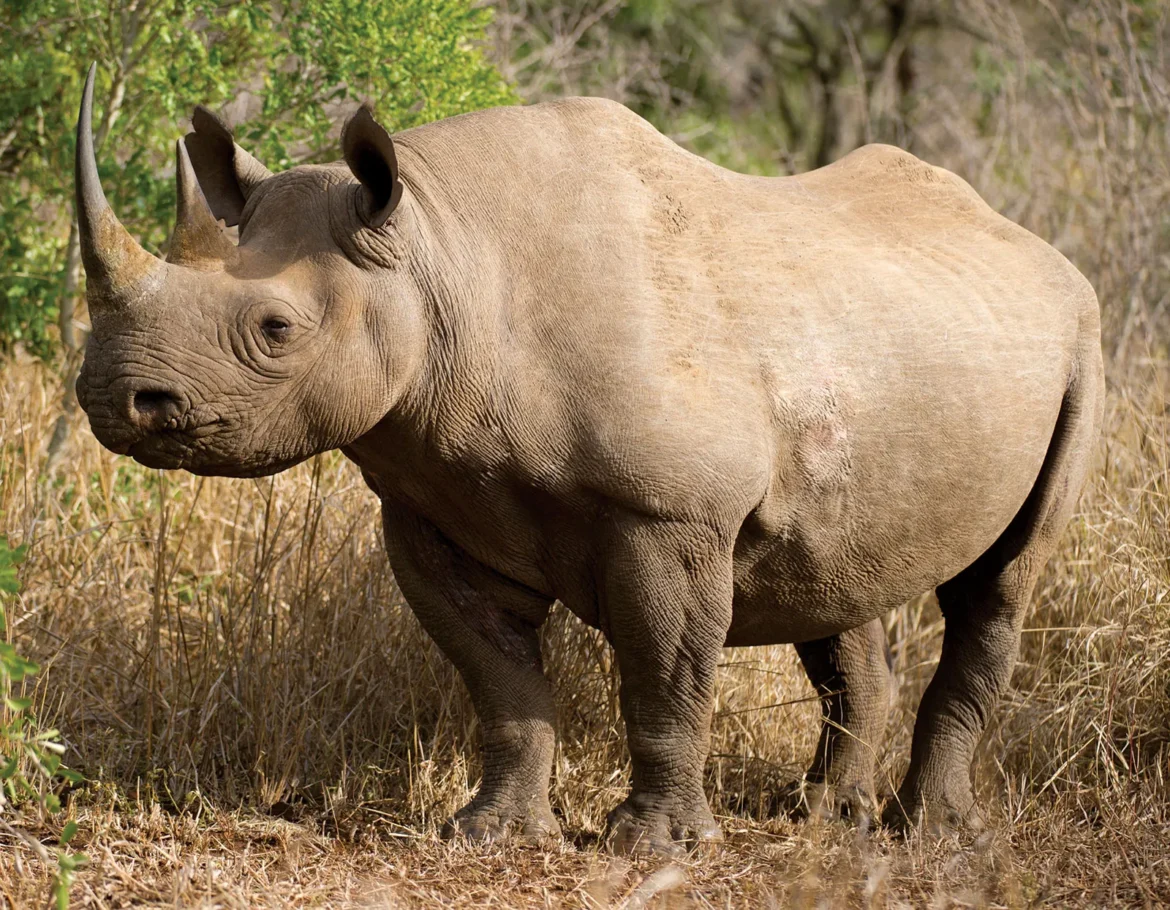
Global Conservation, in partnership with Uganda Conservation Foundation (UCF) and the Uganda Wildlife Authority (UWA), will reintroduce rhinoceros to Kidepo Valley National Park in northeastern Uganda in one of Africa’s first cross-border wildlife exchanges.
Five white rhinos are scheduled to be transferred from Kenya to Kidepo Valley National Park between March 15–20, 2026, in exchange for two species of endangered wildlife sent from Uganda to Kenya.
An additional five rhinos will travel from Ziwa Rhino Sanctuary in Uganda to Kidepo.
The transfers mark the first wildlife trading agreement between Uganda and Kenya and will restore a species absent from Uganda’s wild landscapes for more than 50 years.
The receiving habitat — a new rhino sanctuary in the Narus Valley inside Kidepo Park — is fully complete, including fence lines, access roads, fire management infrastructure and a refurbished Nataba Gate.
Jeff Morgan, Executive Director of Global Conservation, remarked, “By bringing back the Rhino, it shows that Uganda is stable again for tourism, national parks are being protected, and Ugandans and international visitors can watch rhinos in their natural setting, which will be an incredible feat.”
Background:
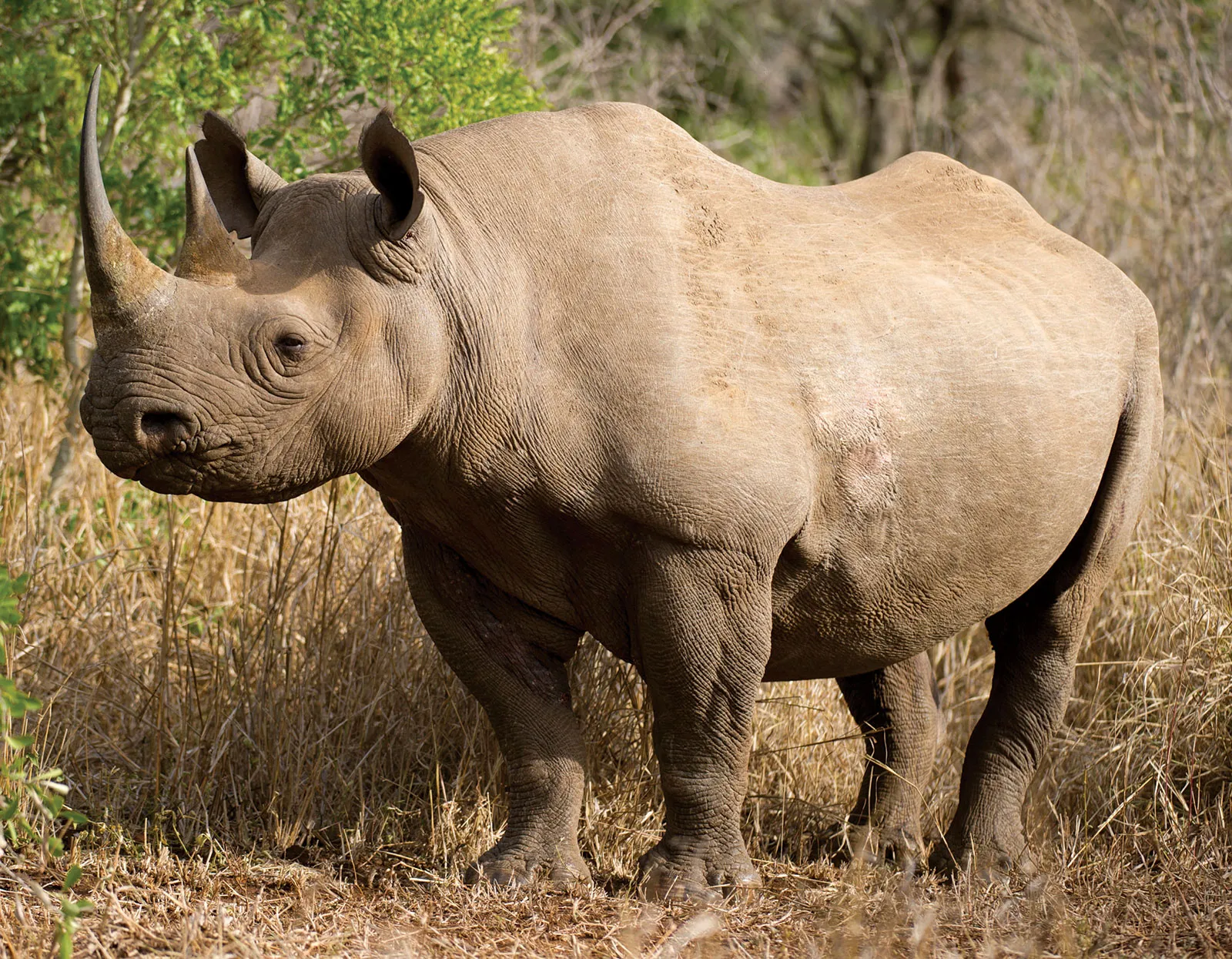
Rhinos in the wild have been extinct in Uganda for over 50 years. A small private reserve – Ziwa Rhino Sanctuary – has bred a small herd of captive rhinos in a former cattle ranch.
With good reproduction success in the past 20 years, there is now an opportunity to reintroduce eight rhinos from Ziwa to Kidepo National Park.
With funding from Global Conservation, Rhino Recovery Fund, Uganda Conservation Foundation (UCF) and Wild Landscapes / Northern Rangelands Trust (NRT), we are making history Reintroducing Rhino into the Wild in Uganda.
Major investments in Park Community Protection over the past 3 years has set the stage where Rhino can be secure, and Uganda Wildlife Authority is sending 40+ rangers to Kidepo and recruiting 80 more this summer.
Protection of Kidepo Valley is challenging with a common border with South Sudan, cattle raiders and wildlife poaching are prevalent. It is estimated less than 20 lions remain in Kidepo do to heavy poaching snaring.
The next 5 years determines whether Kidepo Valley National Park and protect its new arrivals and wildlife across the landscape, while providing strong livelihoods from visitors and sustainable agriculture.
Not long ago, Uganda used to be home to both the black and northern white species of rhinoceros. But by the early 1980s, due to poaching, trafficking and political turmoil under the dictatorship of Idi Amin, native populations – once thought to number around 700 – were wiped out.
Most national parks are unfenced and suffer from high levels of poaching from criminal syndicates and communities living nearby, as well as the encroachment of human settlements and resulting human-wildlife conflict.
Rhinos were recently reintroduced to Ajai Wildlife Reserve and are fairing well. After Kidepo, Murchison Falls will be next along with other national parks across the country. While enhancing biodiversity we are improving Uganda’s wildlife tourism and the livelihoods possible under the Kenya Wildlife Tourism model – generating $9 billion and 24% of Foreign Exchange, while employing 250,000 people.