
By Don Edwarles MKM
Pioneer cohort demonstrates shooting, martial arts and parade skills as Uganda Strengthens wildlife protection
The Minister of Tourism, Wildlife and Antiquities, Hon. Tom Butime, has expressed satisfaction with the level of preparedness and discipline displayed by 1,358 ranger recruits undergoing training at the Uganda Wildlife Authority (UWA) Lugaya Training School, ahead of their historic pass-out ceremony scheduled for 4 December 2026.
The recruits, who constitute the pioneer cohort of Lugaya Training School, are expected to become an important addition to Uganda’s wildlife protection and conservation efforts as the country continues strengthening its capacity to protect national parks, wildlife reserves and other protected areas.
Hon. Butime visited the training school in Murchison Falls National Park to personally assess the recruits’ readiness before their forthcoming graduation and deployment into wildlife conservation and law-enforcement responsibilities.
MINISTER RECEIVED BY UWA LEADERSHIP
Accompanied by officials from the Ministry of Tourism, Wildlife and Antiquities, Hon. Butime was received by the UWA Executive Director, Dr. James Musinguzi, together with other senior officials of the Uganda Wildlife Authority.
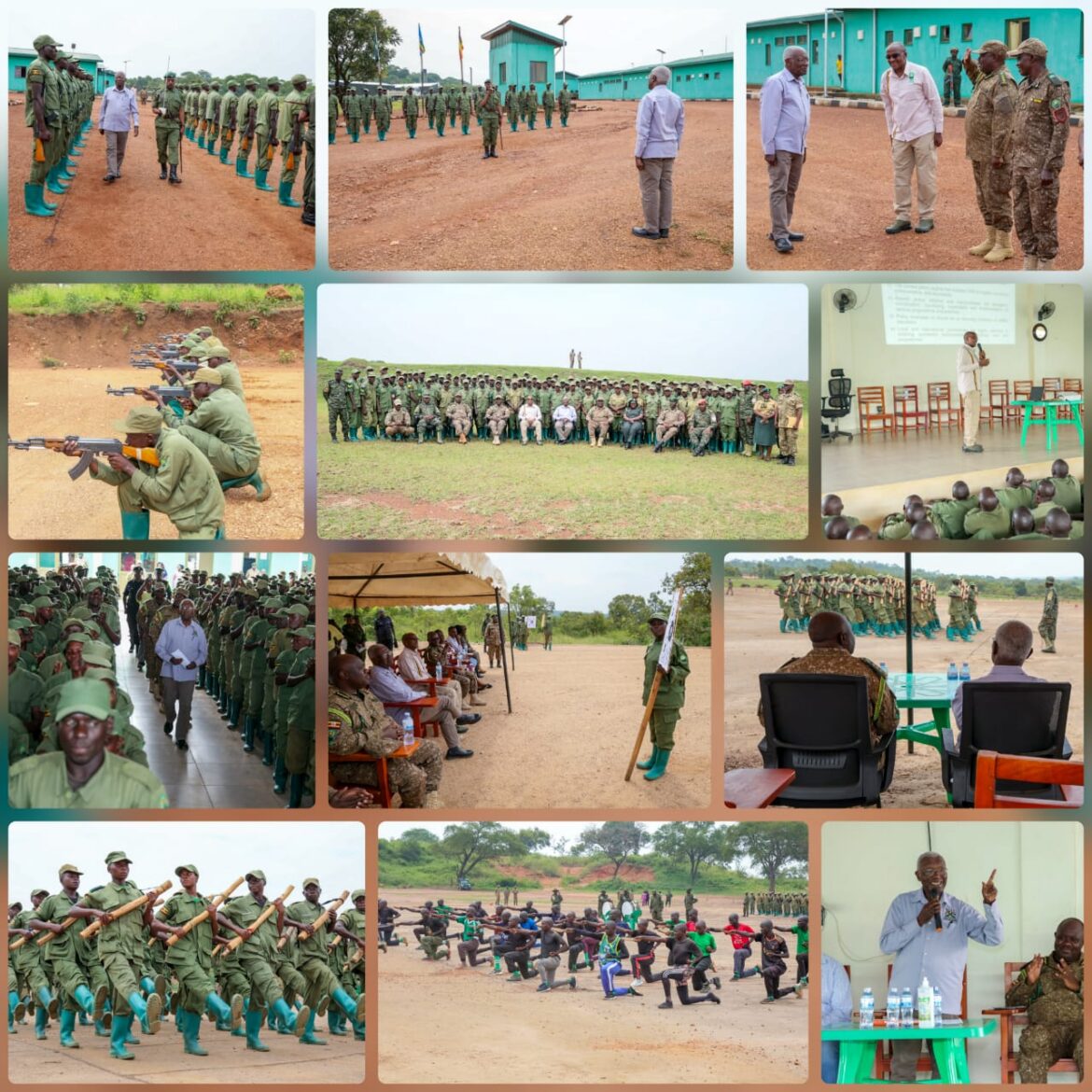
The Minister was subsequently honoured with a formal guard of honour, setting the stage for an inspection of the recruits and a demonstration of the skills they have acquired during the training programme.
The visit provided an opportunity for the Minister and senior sector officials to evaluate the practical preparedness of the ranger recruits as they approach one of the most important milestones in their professional journey.
RECRUITS DISPLAY PRACTICAL SKILLS
During the inspection, the 1,358 recruits demonstrated a range of skills and competencies acquired during their training.
Among the areas showcased were:
– Range shooting and firearms handling skills;
– Martial arts and physical defence techniques;
– Parade drills and ceremonial discipline;
– Physical fitness and operational preparedness; and
– General discipline required for wildlife protection and law-enforcement duties.
The demonstrations reflected the intensive nature of ranger training and the importance of preparing personnel for demanding working environments.
Wildlife rangers often operate under challenging conditions, including remote locations and areas where they may encounter illegal wildlife activities, dangerous animals and other security risks.
The training programme is therefore designed to equip recruits with the discipline, practical skills and professional judgement required to carry out their responsibilities effectively.
“YOU HAVE BEEN ENTRUSTED WITH A NATIONAL RESPONSIBILITY”
Addressing the recruits, Hon. Butime reminded them that their recruitment and training represented an important opportunity to serve their country.
He noted that the recruits had been selected from among many applicants and were therefore being entrusted with a responsibility that goes beyond ordinary employment.
The Minister challenged them to maintain the values of discipline, dedication, resilience and professionalism as they prepare to join Uganda’s wildlife conservation workforce.
Protecting Uganda’s wildlife resources, he emphasized, is a national responsibility requiring committed men and women who understand the importance of conservation to the country’s future.
Uganda’s wildlife is not only an important part of the country’s natural heritage but also a major foundation for tourism, environmental protection and economic development.
RESPONSIBLE USE OF TRAINING EMPHASISED
Hon. Butime urged the recruits to apply the skills and knowledge acquired during training responsibly, particularly in situations involving suspected poachers and encounters with wildlife.
He emphasized the importance of sound judgement, professionalism and safety in the execution of their duties.
Rangers are expected to operate within the established legal and professional framework while protecting wildlife and contributing to the safety of the communities living around protected areas.
The Minister reminded the recruits that professional competence involves more than physical strength or technical ability. It also requires discipline, responsible decision-making and respect for the law.
Their work, he noted, will require them to protect wildlife resources while operating in complex environments where good judgement and appropriate responses are essential.
PRAISE FOR UWA AND UPDF
Hon. Butime commended the Uganda Wildlife Authority and the Uganda People’s Defence Forces (UPDF) for their contribution to the ranger training programme.
He applauded the resilience, determination and discipline demonstrated by the recruits throughout the training process.
The collaboration reflects the importance of professional training and institutional cooperation in preparing personnel for the demanding task of protecting Uganda’s natural resources.
Satisfied with the performance demonstrated during his visit, the Minister expressed confidence in the recruits’ readiness as they prepare for the pass-out ceremony.
He said he looked forward to witnessing the historic event on 4 December 2026.
HEALTH AND PERSONAL RESPONSIBILITY
Beyond their professional responsibilities, Hon. Butime encouraged the recruits to maintain the discipline instilled in them during training throughout their personal lives.
He particularly cautioned them against preventable health risks, including HIV/AIDS, stressing that good health and personal responsibility are important for individuals preparing to undertake demanding public service responsibilities.
The Minister encouraged the recruits to protect their health and wellbeing as they transition from training into active service.
For personnel expected to work in physically demanding environments, physical fitness, mental wellbeing and responsible personal conduct remain important aspects of long-term professional effectiveness.
The message reinforced the broader principle that discipline should not end on the parade ground but should become part of an individual’s personal and professional lifestyle.
LEGAL AND POLICY FRAMEWORK FOR WILDLIFE CONSERVATION
As part of the Minister’s visit, the Commissioner for Wildlife Conservation at the Ministry of Tourism, Wildlife and Antiquities, Mr. George Owoyesigire, delivered a lecture to the recruits on the legal and policy framework governing Uganda’s wildlife sector.
The session provided important orientation on the wider institutional and policy environment within which wildlife rangers will operate.
Among the key areas highlighted were the Ministry’s role in:
– Sector planning;
– Budgeting;
– Policy development;
– Coordination of wildlife-related activities;
– Regulation of international wildlife trade; and
– Oversight of the broader tourism and conservation agenda.
The lecture also explored the institutional relationship between the Ministry of Tourism, Wildlife and Antiquities and the Uganda Wildlife Authority.
This understanding is particularly important for the new recruits, who will form part of a wider national system involving government institutions, conservation agencies, communities and development partners.
CONSERVATION AND TOURISM: A SHARED NATIONAL RESPONSIBILITY
Uganda’s wildlife resources remain among the country’s most important natural and tourism assets.
From the country’s national parks and forest ecosystems to its diverse animal and bird species, Uganda’s natural heritage contributes significantly to the country’s international tourism appeal.
The protection of wildlife is therefore closely linked to the broader tourism development agenda.
Effective conservation can contribute to:
– Sustainable tourism development;
– Employment creation;
– Community livelihoods;
– Protection of biodiversity;
– Environmental sustainability;
– International cooperation in wildlife conservation; and
– Preservation of Uganda’s natural heritage for future generations.
Rangers play a critical role in translating conservation policies into practical action on the ground.
Their responsibilities may include wildlife protection, law enforcement, patrols, surveillance, visitor support and collaboration with communities and other stakeholders.
PIONEER COHORT MARKS HISTORIC MILESTONE
The graduation and pass-out of the pioneer cohort will represent a historic milestone for the Lugaya Training School.
With 1,358 recruits expected to complete the programme, the pass-out will also mark a significant step in strengthening the operational capacity of the Uganda Wildlife Authority.
The recruits are expected to contribute to efforts aimed at improving wildlife protection, strengthening conservation law enforcement and responding to emerging challenges in protected areas.
Their deployment will come at a time when wildlife conservation requires continued investment in trained personnel, technology, community engagement and institutional cooperation.
Illegal wildlife activities, human-wildlife conflict and other conservation challenges require a professional and coordinated response.
The new cohort is therefore expected to form part of Uganda’s continued effort to safeguard its wildlife resources through improved human capacity.
COMMUNITIES REMAIN IMPORTANT PARTNERS
While wildlife rangers have an important enforcement and protection role, communities living around protected areas also remain essential partners in conservation.
Human-wildlife interactions can sometimes create challenges for households and communities, particularly where animals move into areas of human settlement.
Successful conservation therefore requires cooperation between government institutions, conservation authorities and local communities.
Community awareness, responsible tourism, sustainable livelihood opportunities and effective communication can help strengthen support for conservation.
The new generation of trained rangers will therefore operate within a conservation environment that requires both professional law enforcement and constructive engagement with communities.
A NEW CHAPTER FOR UGANDA’S WILDLIFE PROTECTION
The upcoming pass-out ceremony will mark the beginning of a new chapter for the 1,358 recruits.
After months of training, discipline and preparation, they will be expected to transform the skills acquired at Lugaya Training School into responsible service to the nation.
Their future responsibilities will demand courage, physical endurance, discipline, teamwork and professional judgement.
For Uganda, the pioneer cohort represents an investment in the future of wildlife conservation.
For the recruits, the graduation will represent the beginning of a demanding but important career dedicated to protecting one of Uganda’s greatest national treasures.
As Hon. Tom Butime expressed confidence in their preparedness, attention now turns to 4 December 2026, when the pioneer cohort of 1,358 ranger recruits is expected to formally pass out in what will be a landmark moment for the Lugaya Training School and the wider Uganda Wildlife Authority.
CONCLUSION: DISCIPLINE, PROFESSIONALISM AND SERVICE TO THE NATION
The successful preparation of the 1,358 ranger recruits demonstrates the importance Uganda continues to place on strengthening its capacity to protect wildlife and conserve its natural heritage.
Hon. Butime’s visit and expression of satisfaction provide encouragement to the pioneer cohort as they prepare for their historic pass-out.
The message to the recruits remains clear: the skills they have acquired come with great responsibility.
As they prepare to enter active service, they will be expected to uphold discipline, professionalism and dedication while serving the country and protecting its wildlife resources.
Their journey from the training ground to the field will not simply be about wearing a uniform. It will be about accepting a national responsibility to protect Uganda’s wildlife, support conservation and contribute to the sustainable future of the country’s tourism sector.
“The protection of wildlife is the protection of a nation’s natural heritage. A well-trained and disciplined ranger is therefore not only a conservation officer, but also a guardian of Uganda’s future.”